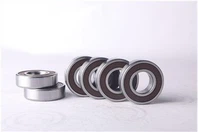
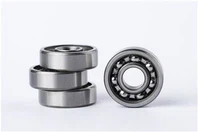
Hey there! As a supplier of 20mm roller bearings, I've seen firsthand how crucial it is to optimize their performance. In this blog, I'll share some tips and tricks that can help you get the most out of your 20mm roller bearings.
First off, let's talk about what a 20mm roller bearing is. A 20mm roller bearing is a type of bearing that uses cylindrical rollers to reduce friction between moving parts. These bearings are commonly used in a variety of applications, including automotive, industrial, and aerospace. You can check out our 20mm Roller Bearing page for more details.
Proper Installation
One of the most important factors in optimizing the performance of a 20mm roller bearing is proper installation. If the bearing is not installed correctly, it can lead to premature wear and failure. Here are some key points to keep in mind during installation:
- Cleanliness: Make sure the installation area is clean and free of debris. Any dirt or contaminants can cause damage to the bearing.
- Alignment: Ensure that the bearing is properly aligned with the shaft and housing. Misalignment can cause uneven loading and increase friction.
- Press Fit: Use the correct press fit when installing the bearing. A too-tight fit can cause the bearing to deform, while a too-loose fit can lead to excessive play.
Lubrication
Lubrication is another critical aspect of bearing performance. Proper lubrication reduces friction, dissipates heat, and protects the bearing from wear and corrosion. Here are some tips for lubricating your 20mm roller bearings:


- Choose the Right Lubricant: Select a lubricant that is suitable for the operating conditions of your bearing. Factors such as temperature, speed, and load should be considered.
- Proper Quantity: Apply the right amount of lubricant. Too little lubrication can cause increased friction, while too much can lead to overheating and seal damage.
- Regular Maintenance: Establish a regular lubrication schedule to ensure that the bearing is always properly lubricated.
Operating Conditions
The operating conditions of a 20mm roller bearing can have a significant impact on its performance. Here are some factors to consider:
- Temperature: High temperatures can cause the lubricant to break down and the bearing material to expand, leading to increased friction and wear. Make sure the operating temperature is within the recommended range.
- Speed: Excessive speed can also cause problems, such as increased heat generation and centrifugal forces. Operate the bearing within its specified speed limits.
- Load: Overloading a bearing can cause premature failure. Make sure the bearing is rated for the load it will be subjected to.
Monitoring and Maintenance
Regular monitoring and maintenance are essential for optimizing the performance of a 20mm roller bearing. Here are some things you can do:
- Visual Inspection: Periodically inspect the bearing for signs of wear, damage, or contamination. Look for things like cracks, pitting, or discoloration.
- Vibration Analysis: Use vibration analysis to detect any abnormal vibrations in the bearing. This can be an early indication of a problem.
- Lubricant Analysis: Analyze the lubricant regularly to check for signs of degradation or contamination. This can help you determine when it's time to change the lubricant.
Choosing the Right Bearing
Not all 20mm roller bearings are created equal. When selecting a bearing, it's important to choose one that is suitable for your specific application. Here are some factors to consider:
- Load Capacity: Make sure the bearing has the appropriate load capacity for your application.
- Speed Rating: Consider the maximum speed at which the bearing will operate and choose a bearing with a suitable speed rating.
- Seal Type: Depending on the operating environment, you may need a bearing with a specific seal type to prevent contamination.
For example, our Bearing 6203llu is a popular choice for many applications due to its high-quality construction and reliable performance.
Using High-Quality Components
In addition to choosing the right bearing, using high-quality components can also improve the overall performance of your system. For example, using high-quality shafts and housings can help ensure proper alignment and reduce the risk of premature wear.
Training and Education
Finally, it's important to provide proper training and education to the people who will be working with the 20mm roller bearings. This can help them understand the importance of proper installation, lubrication, and maintenance, and ensure that they are using the bearings correctly.
In conclusion, optimizing the performance of a 20mm roller bearing requires a combination of proper installation, lubrication, monitoring, and maintenance. By following these tips and choosing the right bearing for your application, you can extend the life of your bearings and improve the efficiency of your equipment.
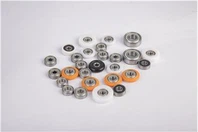
If you're in the market for 20mm roller bearings or need more information about optimizing their performance, feel free to reach out to us. We're here to help you find the right solution for your needs. You can also check out our Small Rollers with Bearings page for more options.
References
- Harris, T. A., & Kotzalas, M. N. (2007). Rolling Bearing Analysis. Wiley.
- Schmid, S. R. (2007). Handbook of Bearing Technology. CRC Press.