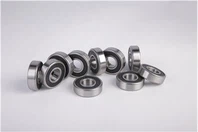
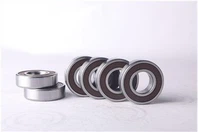
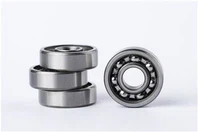
As a supplier of Track Bearing Rollers, I've witnessed firsthand the critical role these components play in various industrial applications. One area that often demands special attention is their performance under low - temperature conditions. In this blog, I'll delve into the low - temperature performance requirements for track bearing rollers, sharing insights based on my experience in the industry.
Lubrication in Low Temperatures
Lubrication is a cornerstone of track bearing roller performance, and its behavior changes significantly in cold environments. At low temperatures, the viscosity of most lubricants increases. This can lead to a higher frictional torque in the bearing rollers. For track bearing rollers operating in low - temperature settings, it's essential to select a lubricant with a low pour point and excellent low - temperature fluidity.
A lubricant with a high viscosity at low temperatures can cause excessive drag on the rollers, leading to increased energy consumption and potential overheating. This is particularly problematic in applications where the rollers are required to operate continuously, such as in conveyor systems in cold storage facilities. Synthetic lubricants are often a preferred choice in low - temperature scenarios. They tend to maintain their fluidity better than mineral - based lubricants, ensuring smooth operation of the track bearing rollers.
Material Selection
The materials used in track bearing rollers also have a profound impact on their low - temperature performance. Steel, the most common material for bearing rollers, can become brittle at extremely low temperatures. This brittleness increases the risk of cracking and failure, especially under high loads.
To mitigate this risk, special grades of steel with improved low - temperature toughness are often used. For example, some high - alloy steels contain elements like nickel, which can enhance the material's ability to withstand cold conditions without becoming overly brittle. Additionally, the heat treatment process of the steel is crucial. Proper heat treatment can optimize the microstructure of the steel, improving its mechanical properties at low temperatures.
In some cases, non - metallic materials may also be considered for track bearing rollers. For instance, certain types of polymers can offer good low - temperature performance, with properties such as self - lubrication and corrosion resistance. However, these materials may have limitations in terms of load - carrying capacity compared to steel.
Thermal Expansion and Contraction
Low temperatures cause materials to contract, and this thermal expansion and contraction phenomenon can have a significant impact on the fit and performance of track bearing rollers. If the bearing housing and the rollers contract at different rates, it can lead to changes in the internal clearance of the bearing.
A decrease in internal clearance can cause the rollers to bind, increasing friction and wear. On the other hand, an excessive increase in clearance can result in reduced load - carrying capacity and increased vibration. To address these issues, precise engineering and design are required. The dimensions of the bearing housing and the rollers need to be carefully calculated to account for the expected temperature range.


In some applications, thermal insulation or heating systems may be employed to maintain a more stable temperature around the track bearing rollers. This can help minimize the effects of thermal expansion and contraction, ensuring consistent performance.
Sealing and Protection
In low - temperature environments, humidity can pose an additional challenge. Moisture in the air can condense on the surface of the track bearing rollers, leading to corrosion. Effective sealing is crucial to prevent moisture ingress and protect the rollers from damage.
Seals made from materials with good low - temperature flexibility are preferred. For example, some rubber compounds can maintain their elasticity at low temperatures, providing a reliable barrier against moisture and contaminants. Additionally, the design of the seal should be such that it can withstand the thermal stresses associated with temperature changes.
Testing and Quality Assurance
As a Track Bearing Roller supplier, we understand the importance of rigorous testing to ensure that our products meet the low - temperature performance requirements. We conduct a series of tests, including low - temperature friction tests, impact tests, and corrosion resistance tests.
These tests help us evaluate the performance of the rollers under simulated low - temperature conditions. By analyzing the test results, we can make necessary adjustments to our manufacturing processes and material selection. Quality assurance is an ongoing process, and we continuously strive to improve the low - temperature performance of our track bearing rollers.
Application - Specific Requirements
Different industries have unique requirements for track bearing rollers in low - temperature environments. For example, in the food and beverage industry, where cold storage is common, the rollers need to meet strict hygiene standards in addition to low - temperature performance requirements.
In the automotive industry, track bearing rollers used in electric vehicles operating in cold climates need to have high efficiency and reliability to ensure the smooth operation of the vehicle's components. Each application may require a customized solution, and we work closely with our customers to understand their specific needs and provide the most suitable track bearing rollers.
Conclusion
The low - temperature performance requirements for track bearing rollers are complex and multifaceted. From lubrication and material selection to thermal management and sealing, every aspect plays a crucial role in ensuring the reliable operation of these components in cold environments.
As a [Company nature] [Company industry] that supplies Track Bearing Rollers, we are committed to providing high - quality products that meet the most demanding low - temperature performance requirements. If you are in need of track bearing rollers for your low - temperature applications, we would be delighted to discuss your specific needs and provide you with the best solutions. Feel free to contact us for more information and to start a procurement discussion.
References
- "Bearing Technology Handbook" by Peter J. McFadden and Howard A. Spikes.
- "Materials Science and Engineering: An Introduction" by William D. Callister Jr. and David G. Rethwisch.
- Industry standards and guidelines related to track bearing rollers and low - temperature applications.