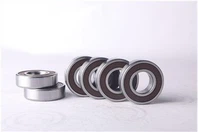
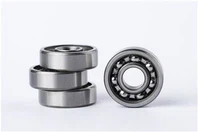
When it comes to the use of pulley bearings, understanding the environmental requirements is crucial for ensuring their optimal performance, longevity, and reliability. As a leading supplier of pulley bearings, I've witnessed firsthand how different environmental conditions can significantly impact the functionality of these essential components. In this blog, I'll delve into the key environmental factors that need to be considered when using pulley bearings and provide insights on how to select the right bearings for specific environments.
Temperature
Temperature is one of the most critical environmental factors that affect pulley bearings. Extreme temperatures, whether high or low, can cause a range of issues, including material expansion or contraction, lubricant degradation, and reduced bearing life.
- High Temperatures: In high-temperature environments, such as industrial furnaces, automotive engines, or aerospace applications, the heat can cause the bearing material to expand, leading to increased friction and wear. Additionally, high temperatures can break down the lubricant, reducing its effectiveness in preventing metal-to-metal contact and corrosion. To withstand high temperatures, bearings made from heat-resistant materials, such as ceramic or high-grade steel, are recommended. These materials have excellent thermal stability and can maintain their mechanical properties even at elevated temperatures. For example, Industrial Roller Bearings designed for high-temperature applications are often made from special alloys that can withstand temperatures up to 500°C or more.
- Low Temperatures: Low-temperature environments, such as refrigeration units, cryogenic storage facilities, or Arctic exploration equipment, present their own set of challenges. At low temperatures, the lubricant can become viscous, reducing its ability to flow and provide adequate lubrication. This can lead to increased friction, wear, and even bearing seizure. To operate effectively in low-temperature environments, bearings need to be designed with low-viscosity lubricants and materials that can maintain their ductility and toughness at cold temperatures. For instance, some bearings are specifically engineered with synthetic lubricants that have a low pour point and can remain fluid even at extremely low temperatures.
Humidity and Moisture
Humidity and moisture can also have a significant impact on the performance of pulley bearings. Excessive moisture can cause corrosion, rust, and the growth of mold and bacteria, which can damage the bearing surfaces and reduce their lifespan.
- Corrosion: When bearings are exposed to humid or wet environments, such as coastal areas, food processing plants, or outdoor equipment, the metal surfaces can react with the moisture in the air to form rust and corrosion. Corrosion can cause pitting, flaking, and loss of material, which can lead to increased friction, noise, and vibration. To prevent corrosion, bearings can be coated with protective materials, such as zinc, chrome, or epoxy, or made from corrosion-resistant materials, such as stainless steel or ceramic. For example, Door Bearing Wheels used in outdoor applications are often made from stainless steel to resist corrosion and ensure smooth operation.
- Lubricant Contamination: Moisture can also contaminate the lubricant in the bearings, reducing its effectiveness and causing premature wear. Water can mix with the lubricant and form emulsions, which can reduce the lubricant's ability to separate the bearing surfaces and prevent metal-to-metal contact. To prevent lubricant contamination, bearings should be properly sealed to prevent moisture from entering. Additionally, regular maintenance and lubricant replacement can help ensure that the lubricant remains clean and effective.
Dust and Particulate Matter
Dust and particulate matter are common contaminants in many industrial and outdoor environments. These particles can enter the bearings and cause abrasion, wear, and damage to the bearing surfaces.
- Abrasion and Wear: When dust and particulate matter get between the bearing surfaces, they can act as abrasive agents, causing scratches and wear on the metal. This can lead to increased friction, noise, and vibration, and ultimately reduce the bearing's lifespan. To prevent abrasion and wear, bearings should be equipped with effective seals and shields to keep out dust and debris. For example, Paper Roller Bearing used in paper mills are often designed with special seals to prevent paper dust from entering the bearings and causing damage.
- Lubricant Contamination: Dust and particulate matter can also contaminate the lubricant in the bearings, reducing its effectiveness and causing premature wear. The particles can mix with the lubricant and form a grinding paste, which can accelerate the wear of the bearing surfaces. To prevent lubricant contamination, bearings should be regularly cleaned and lubricated, and the lubricant should be filtered to remove any contaminants.
Chemical Exposure
In some industrial environments, pulley bearings may be exposed to various chemicals, such as acids, alkalis, solvents, and oils. These chemicals can react with the bearing material and lubricant, causing corrosion, degradation, and loss of mechanical properties.


- Corrosion and Degradation: Chemicals can attack the bearing material and cause corrosion, pitting, and cracking. For example, acidic chemicals can dissolve the metal surface, while alkaline chemicals can react with the lubricant and form a sticky residue. To withstand chemical exposure, bearings need to be made from materials that are resistant to the specific chemicals they will encounter. For instance, bearings used in chemical processing plants are often made from stainless steel or ceramic, which have excellent chemical resistance.
- Lubricant Compatibility: The lubricant used in the bearings also needs to be compatible with the chemicals in the environment. Some chemicals can react with the lubricant and cause it to break down or lose its lubricating properties. To ensure lubricant compatibility, it's important to consult with the bearing manufacturer or a lubricant specialist to select the appropriate lubricant for the specific chemical environment.
Vibration and Shock
Vibration and shock are common in many industrial applications, such as machinery, vehicles, and construction equipment. Excessive vibration and shock can cause the bearing to experience high loads, which can lead to fatigue, wear, and even failure.
- Fatigue and Wear: Vibration and shock can cause the bearing to experience cyclic loading, which can lead to fatigue cracks and wear on the bearing surfaces. Over time, these cracks can propagate and cause the bearing to fail prematurely. To withstand vibration and shock, bearings need to be designed with high load-carrying capacity and good fatigue resistance. For example, some bearings are specifically engineered with reinforced cages and raceways to handle high loads and vibrations.
- Lubricant Film Breakdown: Vibration and shock can also cause the lubricant film between the bearing surfaces to break down, leading to increased friction and wear. To maintain the lubricant film, it's important to use a lubricant with good viscosity and film strength. Additionally, bearings should be properly installed and aligned to minimize vibration and shock.
Selecting the Right Pulley Bearings for Your Environment
When selecting pulley bearings for a specific environment, it's important to consider all of the environmental factors discussed above. Here are some tips to help you choose the right bearings:
- Understand Your Environment: Before selecting a bearing, it's important to understand the specific environmental conditions it will be exposed to. This includes temperature, humidity, dust, chemicals, vibration, and shock. By understanding the environment, you can choose a bearing that is designed to withstand these conditions.
- Consult with a Bearing Expert: If you're unsure which bearing is right for your application, it's a good idea to consult with a bearing expert. They can help you evaluate your requirements and recommend the best bearing for your environment.
- Choose the Right Material and Design: The material and design of the bearing are crucial for its performance in different environments. For example, bearings made from heat-resistant materials are suitable for high-temperature environments, while bearings with effective seals are ideal for dusty or wet environments.
- Consider Lubrication: The lubricant used in the bearing is also important for its performance. Choose a lubricant that is compatible with the bearing material and the environmental conditions. Additionally, make sure to follow the manufacturer's recommendations for lubrication intervals and procedures.
Conclusion
In conclusion, the environmental requirements for using pulley bearings are diverse and complex. By understanding the key environmental factors that affect bearing performance, you can select the right bearings for your specific application and ensure their optimal performance, longevity, and reliability. As a Pulley Bearings supplier, we're committed to providing high-quality bearings that are designed to meet the most demanding environmental conditions. If you have any questions or need help selecting the right bearings for your application, please don't hesitate to contact us. We'll be happy to assist you with your procurement needs and provide you with the best solutions for your business.
References
- Harris, T. A., & Kotzalas, M. N. (2007). Rolling Bearing Analysis. Wiley.
- Zaretsky, E. V. (2010). Ball and Roller Bearing Engineering. CRC Press.
- ASM Handbook, Volume 1: Properties and Selection: Irons, Steels, and High-Performance Alloys. ASM International.