Troubleshooting a One Way Roller: A Comprehensive Guide
As a supplier of One Way Rollers, I often encounter customers who face issues with these crucial components. One Way Rollers are essential in various industrial applications, providing unidirectional motion and preventing reverse rotation. However, like any mechanical part, they can experience problems over time. In this blog post, I'll share some valuable insights on how to troubleshoot a One Way Roller effectively.

Understanding the Basics of One Way Rollers
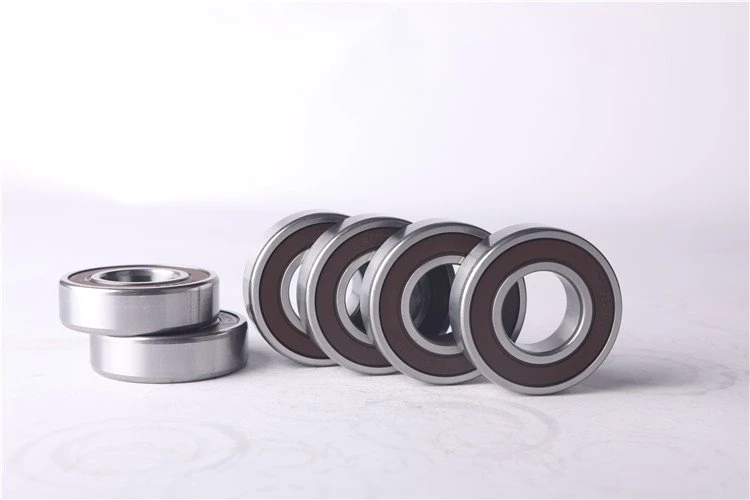
Before diving into troubleshooting, it's important to have a clear understanding of what a One Way Roller is and how it works. A One Way Roller is a type of bearing that allows rotation in one direction while locking in the opposite direction. It consists of an outer race, an inner race, rollers, and a cage. When the inner race rotates in the free direction, the rollers are free to move, allowing smooth rotation. But when the inner race tries to rotate in the locked direction, the rollers wedge between the races, preventing further movement.
Common Symptoms of One Way Roller Problems
The first step in troubleshooting is to identify the symptoms. Here are some common signs that your One Way Roller may be experiencing issues:
1. Excessive Noise
If you hear unusual noises such as grinding, rattling, or clicking coming from the One Way Roller, it could indicate a problem. This noise may be caused by worn-out rollers, damaged races, or insufficient lubrication.
2. Vibration
Excessive vibration is another telltale sign of a problem. It can be caused by misalignment, uneven loading, or internal damage to the One Way Roller. Vibration can not only affect the performance of the roller but also lead to premature wear and failure of other components in the system.
3. Reduced Efficiency
If you notice a decrease in the efficiency of the equipment where the One Way Roller is installed, it could be due to a problem with the roller. This could manifest as slower operation, increased power consumption, or difficulty in achieving the desired speed.
4. Reverse Rotation
One of the primary functions of a One Way Roller is to prevent reverse rotation. If you observe reverse rotation in a system where a One Way Roller is supposed to be preventing it, there is definitely an issue. This could be caused by a damaged locking mechanism or incorrect installation.
Troubleshooting Steps
1. Visual Inspection
The first step in troubleshooting is to conduct a visual inspection of the One Way Roller. Look for any signs of physical damage such as cracks, dents, or wear on the races, rollers, and cage. Check for proper alignment and ensure that the roller is installed correctly. Also, inspect the lubrication level and quality. If the lubricant is dirty or insufficient, it can cause excessive wear and damage to the roller.
2. Check for Misalignment
Misalignment is a common cause of One Way Roller problems. Use a precision alignment tool to check if the inner and outer races are properly aligned. Misalignment can cause uneven loading on the rollers, leading to premature wear and failure. If misalignment is detected, adjust the installation to correct it.
3. Inspect the Locking Mechanism
The locking mechanism of the One Way Roller is crucial for its proper functioning. Check if the rollers are able to wedge correctly between the races when the roller is supposed to be locked. If the locking mechanism is not working properly, it could be due to worn-out rollers, damaged races, or a malfunctioning cage. In some cases, the locking mechanism may need to be replaced.
4. Test the Roller
If possible, perform a test on the One Way Roller to check its functionality. This can be done by rotating the inner race in both the free and locked directions and observing its behavior. If the roller does not lock properly or rotates freely in the locked direction, there is a problem that needs to be addressed.
5. Check the Lubrication
Proper lubrication is essential for the smooth operation of a One Way Roller. Check the lubrication level and quality. If the lubricant is dirty or contaminated, drain it and replace it with fresh lubricant. Use the recommended type of lubricant for the specific application and ensure that it is applied in the correct amount.
Specific Troubleshooting for Different Types of One Way Rollers
1. Ball-Type One Way Rollers
Ball-type One Way Rollers are commonly used in various applications. If you are experiencing problems with a ball-type One Way Roller, pay special attention to the balls and the raceways. Check for any signs of wear or damage on the balls and the raceways. If the balls are worn or damaged, they may need to be replaced. Also, ensure that the cage is holding the balls in place properly.
2. 6205-ZZ One Way Rollers
The 6205-ZZ One Way Roller is a specific type of roller with its own unique characteristics. When troubleshooting this type of roller, follow the general troubleshooting steps mentioned above. However, also pay attention to the specific design features of the 6205-ZZ. Check the seals to ensure that they are intact and preventing contaminants from entering the roller. If the seals are damaged, they should be replaced to maintain the integrity of the roller.
Preventive Maintenance
To avoid One Way Roller problems in the future, it's important to implement a preventive maintenance program. Here are some preventive maintenance tips:
1. Regular Inspections
Schedule regular inspections of the One Way Rollers to detect any potential problems early. This can help prevent major breakdowns and costly repairs.
2. Proper Lubrication
Ensure that the One Way Rollers are properly lubricated at all times. Follow the manufacturer's recommendations for lubrication intervals and the type of lubricant to use.
3. Correct Installation
Proper installation is crucial for the long-term performance of One Way Rollers. Make sure that the rollers are installed correctly, with proper alignment and torque.
4. Protect from Contaminants
Keep the One Way Rollers clean and protected from contaminants such as dirt, dust, and moisture. Use appropriate seals and covers to prevent contaminants from entering the roller.
Conclusion
Troubleshooting a One Way Roller requires a systematic approach and a good understanding of its operation. By following the steps outlined in this blog post, you can effectively identify and address common problems with One Way Rollers. Remember that preventive maintenance is key to ensuring the long-term performance and reliability of these components.
If you are experiencing persistent problems with your One Way Rollers or need further assistance, don't hesitate to contact us. As a leading supplier of One Way Rollers, we have the expertise and resources to help you find the right solutions for your specific needs. Whether you need replacement parts, technical support, or advice on installation and maintenance, we are here to assist you. Let's work together to keep your equipment running smoothly and efficiently.
References
- "Mechanical Design Handbook" by Robert C. Juvinall and Kurt M. Marshek
- "Bearing Installation and Maintenance Guide" by SKF
- Manufacturer's technical documentation for One Way Rollers