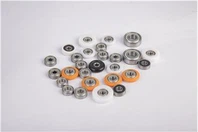
Hey there! I'm a supplier of Bearing 6311, and today I wanna chat about how to reduce the coefficient of friction of Bearing 6311. This is a super important topic because a lower friction coefficient can boost the efficiency, lifespan, and performance of the bearing.
First off, let's understand what the coefficient of friction is. It's a measure of how much resistance there is when two surfaces slide or roll against each other. In the case of Bearing 6311, a high coefficient of friction can lead to more heat generation, increased wear and tear, and reduced energy efficiency. So, we definitely want to bring that number down.
1. Choose the Right Lubricant
One of the most effective ways to reduce the friction coefficient is by using the right lubricant. Lubricants create a thin film between the moving parts of the bearing, which separates them and reduces direct contact. This, in turn, lowers friction.
There are different types of lubricants available, such as mineral oils, synthetic oils, and greases. Mineral oils are cost - effective and work well in many general - purpose applications. Synthetic oils, on the other hand, offer better performance in extreme temperatures and high - speed conditions. Greases are a good choice when you need long - term lubrication and don't want the lubricant to leak out easily.
When selecting a lubricant for Bearing 6311, you need to consider factors like the operating temperature, speed, and load. For example, if the bearing is operating in a high - temperature environment, a synthetic lubricant with good thermal stability would be a great option. Also, make sure to follow the manufacturer's recommendations for lubricant quantity and re - lubrication intervals.
You can find more details about Bearing 6311 on this page: Bearing 6311.
2. Ensure Proper Installation
Proper installation is crucial for reducing the friction coefficient. If the bearing is not installed correctly, it can cause misalignment, uneven loading, and increased friction.
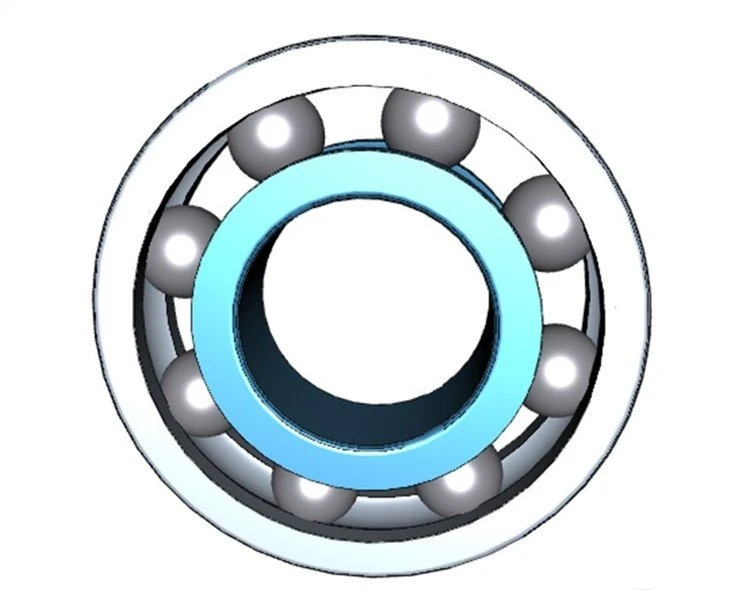

When installing Bearing 6311, make sure the housing and shaft are clean and free of any debris. Use the right tools to mount the bearing, and follow the correct installation procedures. For example, when pressing the bearing onto the shaft, apply the force evenly to avoid damaging the bearing.
Also, check the alignment of the shaft and housing. Misalignment can lead to increased friction and premature wear. You can use alignment tools to ensure that everything is in place. If necessary, make adjustments to the shaft or housing to achieve proper alignment.
3. Maintain a Clean Environment
A clean environment can significantly reduce the friction coefficient of Bearing 6311. Dust, dirt, and other contaminants can get into the bearing and cause abrasion, which increases friction.
To keep the bearing clean, use appropriate seals and shields. Seals prevent contaminants from entering the bearing, while shields can also help to keep out larger particles. Make sure the seals are in good condition and replace them if they are damaged.
Regularly clean the surrounding area of the bearing. Remove any dust or debris that may accumulate on the housing or shaft. If the bearing is operating in a particularly dirty environment, you may need to install additional protective covers.
4. Optimize the Surface Finish
The surface finish of the bearing components can have a big impact on the friction coefficient. A smoother surface finish means less friction between the moving parts.
During the manufacturing process of Bearing 6311, the surface finish of the raceways and rolling elements is carefully controlled. However, over time, the surface may get worn or damaged. In such cases, you can consider re - finishing the surfaces if possible.
You can also use surface treatments to improve the surface properties. For example, some coatings can reduce friction and increase wear resistance. But make sure to choose a treatment that is compatible with the bearing material and the operating conditions.
5. Monitor and Control the Operating Conditions
Monitoring and controlling the operating conditions of Bearing 6311 is essential for reducing the friction coefficient. Keep an eye on factors like temperature, speed, and load.
High operating temperatures can cause the lubricant to break down and increase friction. If the temperature is too high, you may need to improve the cooling system or reduce the load on the bearing.
Similarly, excessive speed or load can also lead to increased friction. Make sure the bearing is operating within its recommended speed and load limits. If you need to increase the speed or load, consider upgrading to a higher - performance bearing.
6. Regular Inspection and Maintenance
Regular inspection and maintenance are key to keeping the friction coefficient of Bearing 6311 low. Inspect the bearing regularly for signs of wear, damage, or misalignment. Check the lubricant level and condition, and replace it if necessary.
You can use vibration analysis, temperature monitoring, and other diagnostic techniques to detect any potential problems early. By catching issues early, you can take corrective actions before they cause significant damage to the bearing and increase the friction coefficient.
Conclusion
Reducing the coefficient of friction of Bearing 6311 is a multi - faceted task that involves choosing the right lubricant, ensuring proper installation, maintaining a clean environment, optimizing the surface finish, monitoring the operating conditions, and regular inspection and maintenance. By following these steps, you can improve the performance and lifespan of the bearing, and save on energy costs.
If you're interested in purchasing Bearing 6311 or have any questions about reducing the friction coefficient, feel free to reach out. We're here to help you find the best solutions for your specific needs.
References
- "Bearing Handbook" - A comprehensive guide on bearing technology and applications.
- Manufacturer's technical documents for Bearing 6311.
- Industry research papers on bearing friction reduction.