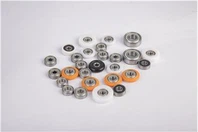
As a supplier of Bearing 6311, I understand the significance of optimizing the performance of this particular bearing. Bearing 6311 is widely used in various industrial applications, and its performance directly impacts the efficiency and reliability of the equipment it serves. In this blog post, I will share some effective strategies on how to optimize the performance of Bearing 6311.
1. Proper Installation
The first step in optimizing the performance of Bearing 6311 is to ensure proper installation. Incorrect installation can lead to premature wear, increased friction, and even bearing failure. Here are some key points to consider during installation:

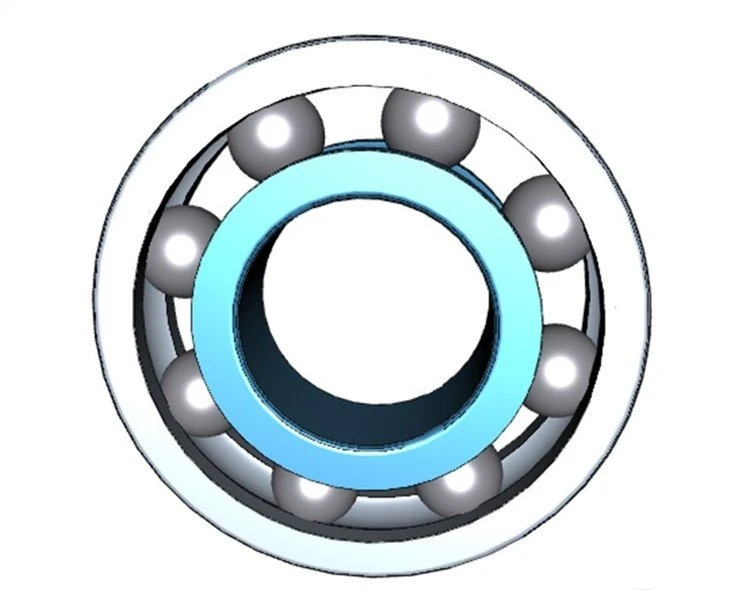
- Cleanliness: Before installing the bearing, make sure the installation surface and all components are clean. Any dirt, debris, or contaminants can cause damage to the bearing and reduce its performance. Use a clean cloth and a suitable cleaning agent to clean the surfaces thoroughly.
- Alignment: Proper alignment of the bearing is crucial for its smooth operation. Misalignment can cause uneven loading on the bearing, leading to increased stress and wear. Use alignment tools to ensure that the bearing is installed in the correct position and that the shaft and housing are properly aligned.
- Fitting: The bearing should be fitted correctly onto the shaft and into the housing. Use the appropriate tools and techniques to ensure a proper fit. Over-tightening or under-tightening the bearing can cause problems, so it is important to follow the manufacturer's recommendations for fitting torque.
2. Lubrication
Lubrication is essential for the performance and longevity of Bearing 6311. It reduces friction, prevents wear, and dissipates heat. Here are some important aspects of lubrication to consider:
- Lubricant Selection: Choose the right lubricant for your application. The type of lubricant depends on factors such as operating temperature, speed, load, and environment. Consult the bearing manufacturer's recommendations or a lubrication expert to select the most suitable lubricant.
- Lubrication Quantity: Use the correct amount of lubricant. Too little lubrication can cause insufficient protection, while too much lubrication can lead to overheating and increased friction. Follow the manufacturer's guidelines for lubrication quantity.
- Lubrication Interval: Establish a regular lubrication schedule. The lubrication interval depends on factors such as operating conditions and the type of lubricant used. Monitor the bearing's performance and adjust the lubrication interval as needed.
3. Operating Conditions
The operating conditions of Bearing 6311 can have a significant impact on its performance. Here are some factors to consider:
- Temperature: High temperatures can cause the lubricant to break down, reduce the bearing's hardness, and increase wear. Monitor the operating temperature of the bearing and take appropriate measures to keep it within the recommended range. This may include using cooling systems or reducing the load on the bearing.
- Speed: Excessive speed can cause increased friction, heat generation, and wear. Make sure the bearing is operating within its rated speed limits. If necessary, use speed reducers or other means to control the speed.
- Load: Overloading the bearing can cause premature wear, deformation, and failure. Ensure that the bearing is properly sized for the application and that the load is evenly distributed. If the load exceeds the bearing's capacity, consider using a larger bearing or multiple bearings in parallel.
4. Maintenance and Inspection
Regular maintenance and inspection are essential for detecting and preventing potential problems with Bearing 6311. Here are some maintenance and inspection tasks to perform:
- Visual Inspection: Regularly inspect the bearing for signs of wear, damage, or contamination. Look for cracks, pits, discoloration, or other abnormalities on the bearing surfaces. Check the lubrication level and condition.
- Vibration Analysis: Monitor the vibration of the bearing using vibration analysis equipment. Excessive vibration can indicate problems such as misalignment, imbalance, or bearing damage. Analyze the vibration data to identify the root cause of the problem and take appropriate corrective actions.
- Lubricant Analysis: Periodically analyze the lubricant to determine its condition and detect any contaminants or wear particles. Lubricant analysis can provide valuable information about the bearing's health and help prevent premature failure.
5. Bearing Selection
Choosing the right Bearing 6311 for your application is crucial for optimizing its performance. Here are some factors to consider when selecting a bearing:
- Load Capacity: Determine the maximum load that the bearing will be subjected to and choose a bearing with a sufficient load capacity. Consider both the radial and axial loads.
- Speed Rating: Select a bearing with a speed rating that is suitable for your application. The speed rating indicates the maximum speed at which the bearing can operate safely.
- Accuracy Class: The accuracy class of the bearing affects its performance and precision. Choose a bearing with an appropriate accuracy class based on your application requirements.
- Sealing and Shielding: Depending on the operating environment, you may need a bearing with sealing or shielding to prevent contaminants from entering the bearing and to retain the lubricant.
Conclusion
Optimizing the performance of Bearing 6311 requires a comprehensive approach that includes proper installation, lubrication, management of operating conditions, regular maintenance and inspection, and careful bearing selection. By following these strategies, you can ensure that your Bearing 6311 operates efficiently, reliably, and with a long service life.
If you are interested in purchasing Bearing 6311 or have any questions about its performance optimization, please feel free to contact us for a detailed discussion. We are committed to providing high-quality bearings and professional technical support to meet your needs. Visit our website Bearing 6311 for more information about our products.
References
- Harris, T. A., & Kotzalas, M. N. (2007). Rolling Bearing Analysis. Wiley-Interscience.
- SKF. (2019). SKF Rolling Bearing Handbook. SKF Group.
- Timken. (2020). Timken Engineering Handbook. Timken Company.