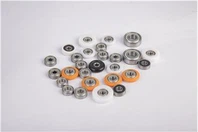
Do door bearings require any special cleaning agents? This is a question that often pops up among homeowners, facility managers, and those in the construction and maintenance industries. As a leading supplier of Door Bearings, I've encountered this query numerous times. In this blog post, I'll delve into the world of door bearings, their cleaning requirements, and whether special cleaning agents are truly necessary.
Understanding Door Bearings
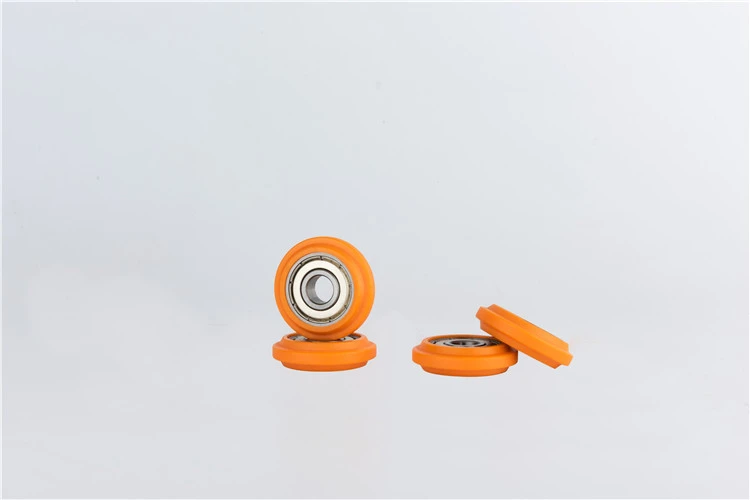
Before we jump into the cleaning aspect, let's first understand what door bearings are and how they function. Door bearings are mechanical components that allow doors to move smoothly. They reduce friction between moving parts, ensuring that doors open and close effortlessly. There are various types of door bearings, including Small Plastic Roller Wheels and Nylon Ball Bearing Drawer Rollers, each designed for specific applications.
Plastic roller wheels are commonly used in light - duty sliding doors. They are lightweight, corrosion - resistant, and relatively quiet. On the other hand, nylon ball bearing drawer rollers are ideal for drawers and small sliding doors. The ball bearings inside them provide smooth movement and can handle moderate loads.
Why Cleaning Door Bearings is Important
Over time, door bearings can accumulate dirt, dust, debris, and even rust. This buildup can significantly affect their performance. When dirt and debris get into the bearings, they can increase friction, making the doors harder to open and close. In severe cases, it can lead to premature wear and tear, reducing the lifespan of the bearings.
Cleaning door bearings regularly helps maintain their smooth operation, reduces noise, and extends their service life. It's a simple yet effective maintenance task that can save you from costly replacements in the long run.
Do Door Bearings Require Special Cleaning Agents?
The short answer is: it depends. In many cases, basic cleaning agents can do the job just fine. For plastic and nylon bearings, a mild soap and water solution is often sufficient. Mix a small amount of gentle dish soap with warm water. Dip a soft cloth or a small brush into the solution and gently clean the bearings. This will remove most of the surface dirt and grime.
After cleaning, rinse the bearings thoroughly with clean water to remove any soap residue. Then, dry them completely with a clean, dry cloth. This basic cleaning method is safe for most types of door bearings and won't cause any damage to the materials.
However, there are situations where special cleaning agents may be required. If the bearings are heavily soiled, for example, with grease or oil, a degreaser may be necessary. A commercial degreaser can break down and remove stubborn grease and oil stains. But be careful when using degreasers. Some strong degreasers can be harsh on certain materials, such as plastics. Make sure to choose a degreaser that is safe for the type of bearing you are cleaning.
If the bearings are rusted, a rust remover may be needed. Rust can cause the bearings to seize up and become inoperable. There are many rust removers available on the market, both chemical and natural. Chemical rust removers are usually more powerful but may require proper ventilation during use. Natural rust removers, such as lemon juice or vinegar, can be a safer alternative for light rust removal.
The Cleaning Process
Let's outline a step - by - step cleaning process for door bearings:

- Remove the Bearings: If possible, remove the bearings from the door. This will make the cleaning process easier and more thorough. Use the appropriate tools, such as a screwdriver or a wrench, to remove the bearings safely.
- Inspect the Bearings: Before cleaning, take a close look at the bearings. Check for any signs of damage, such as cracks, chips, or excessive wear. If you notice any significant damage, it may be time to replace the bearings.
- Choose the Cleaning Agent: Based on the level of dirt and the type of bearing, select the appropriate cleaning agent. As mentioned earlier, mild soap and water for light dirt, degreaser for grease, and rust remover for rust.
- Clean the Bearings: Dip a soft brush or a cloth into the cleaning solution and gently scrub the bearings. Pay special attention to the areas where dirt and debris tend to accumulate, such as the rollers and the raceways. For hard - to - reach areas, you can use a small, soft - bristled brush.
- Rinse and Dry: After cleaning, rinse the bearings thoroughly with clean water. Make sure to remove all traces of the cleaning agent. Then, dry the bearings completely. Any remaining moisture can lead to rust or corrosion.
- Lubricate (if necessary): Once the bearings are dry, you may want to lubricate them. Lubrication helps reduce friction and ensures smooth operation. Use a lubricant that is suitable for the type of bearing. For plastic and nylon bearings, a silicone - based lubricant is often a good choice.
Precautions
When cleaning door bearings, there are a few precautions to keep in mind:
- Safety First: Wear gloves and eye protection, especially when using chemical cleaning agents. Some cleaning agents can be harmful if they come into contact with your skin or eyes.
- Read the Instructions: Always read and follow the instructions on the cleaning agent product label. This will ensure that you use the product safely and effectively.
- Test on a Small Area: Before applying a new cleaning agent to the entire bearing, test it on a small, inconspicuous area first. This will help you determine if the agent will cause any damage to the bearing material.
Conclusion
In conclusion, while door bearings don't always require special cleaning agents, there are times when they can be beneficial. For most routine cleaning, a mild soap and water solution is sufficient. But for more stubborn dirt, grease, or rust, special cleaning agents like degreasers and rust removers may be needed.
Regular cleaning and maintenance of door bearings are essential for their optimal performance and longevity. By following the proper cleaning procedures and choosing the right cleaning agents, you can keep your door bearings in top condition.
If you're in the market for high - quality door bearings or need more advice on bearing maintenance, don't hesitate to reach out. We're here to assist you with all your door bearing needs. Whether you're a DIY enthusiast or a professional in the industry, we can provide you with the best products and guidance.
References
- "Maintenance Guide for Mechanical Components", Industry Standards Publishing
- "Home Improvement Handbook", DIY Home Solutions Inc.