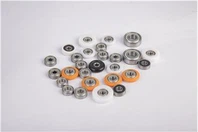
In the intricate world of mechanical engineering and precision machinery, Mini Roller Bearings play a pivotal role. These small yet mighty components are essential for reducing friction and facilitating smooth rotation in a wide range of applications, from miniature motors to high - precision instruments. As a supplier of Mini Roller Bearings, I understand the significance of ensuring their smooth operation. In this blog, I'll share some key strategies and considerations to achieve this goal.
Understanding Mini Roller Bearings
Before delving into the ways to ensure smooth operation, it's important to have a basic understanding of Mini Roller Bearings. These bearings are designed to handle both radial and axial loads, and they come in various types, such as needle roller bearings, cylindrical roller bearings, and tapered roller bearings. The Mini Roller Bearings we supply are engineered with high - precision manufacturing techniques to meet the strict requirements of modern machinery.
Mini Roller Bearings are characterized by their small size, high load - carrying capacity, and excellent rotational accuracy. They are often used in applications where space is limited, and high performance is required. For instance, Micro Roller Bearings are even smaller and more precise, suitable for micro - motors and medical devices.


Proper Installation
The first step in ensuring the smooth operation of Mini Roller Bearings is proper installation. Incorrect installation can lead to premature wear, increased friction, and even bearing failure. Here are some important installation guidelines:
- Cleanliness: Before installation, ensure that the bearing housing, shaft, and all related components are thoroughly cleaned. Any dirt, debris, or contaminants can cause abrasion and damage to the bearing surfaces. Use a clean, lint - free cloth and a suitable cleaning agent to remove any impurities.
- Alignment: Proper alignment of the bearing and the shaft is crucial. Misalignment can result in uneven loading on the bearing, which can lead to excessive wear and reduced lifespan. Use alignment tools such as dial indicators to ensure that the shaft and housing are properly aligned within the specified tolerances.
- Installation Tools: Use the correct installation tools to avoid damaging the bearing. Hydraulic presses, bearing pullers, and other specialized tools should be used according to the manufacturer's recommendations. Avoid using hammers or other blunt objects to install the bearing, as this can cause internal damage.
Lubrication
Lubrication is another critical factor in ensuring the smooth operation of Mini Roller Bearings. It reduces friction, dissipates heat, and protects the bearing surfaces from corrosion and wear. Here are some key points regarding lubrication:
- Lubricant Selection: Choose the right lubricant based on the operating conditions of the bearing, such as temperature, speed, and load. Grease is a common lubricant for Mini Roller Bearings, as it provides good sealing and long - term lubrication. However, in high - speed or high - temperature applications, oil lubrication may be more suitable.
- Lubrication Quantity: Apply the correct amount of lubricant. Too little lubrication can result in increased friction and wear, while too much lubrication can cause overheating and seal damage. Refer to the manufacturer's guidelines for the recommended lubrication quantity.
- Lubrication Interval: Establish a regular lubrication schedule. Over time, the lubricant can degrade and lose its effectiveness. Regularly replenishing the lubricant ensures that the bearing remains properly lubricated throughout its service life.
Operating Conditions
The operating conditions of Mini Roller Bearings have a significant impact on their performance and lifespan. Here are some factors to consider:
- Temperature: Mini Roller Bearings are designed to operate within a specific temperature range. High temperatures can cause the lubricant to break down, expand the bearing components, and reduce the material's strength. On the other hand, low temperatures can increase the viscosity of the lubricant, leading to increased friction. Monitor the operating temperature and take appropriate measures to maintain it within the recommended range.
- Speed: The rotational speed of the bearing should be within its rated capacity. Excessive speed can generate high centrifugal forces, which can cause the rollers to skid and increase wear. Ensure that the application's speed requirements are compatible with the bearing's specifications.
- Load: Mini Roller Bearings are designed to handle specific loads. Overloading can cause premature wear, deformation, and even bearing failure. Calculate the actual loads acting on the bearing and select a bearing with a sufficient load - carrying capacity.
Monitoring and Maintenance
Regular monitoring and maintenance are essential for detecting potential problems early and ensuring the continued smooth operation of Mini Roller Bearings. Here are some monitoring and maintenance practices:
- Vibration Analysis: Vibration analysis is a powerful tool for detecting bearing problems. By monitoring the vibration levels and frequencies of the bearing, you can identify issues such as misalignment, imbalance, or wear. Use vibration sensors and analysis software to perform regular vibration checks.
- Temperature Monitoring: Continuously monitor the bearing temperature. An increase in temperature can indicate a problem, such as insufficient lubrication or excessive load. Install temperature sensors near the bearing to detect any abnormal temperature changes.
- Visual Inspection: Conduct regular visual inspections of the bearing. Look for signs of wear, damage, or contamination. Check the bearing seals, lubricant condition, and the overall appearance of the bearing. Replace any worn or damaged components promptly.
Compatibility with Other Components
Mini Roller Bearings do not operate in isolation. They interact with other components in the machinery, such as shafts, housings, and seals. Ensuring compatibility between the bearing and these components is crucial for smooth operation.
- Shaft and Housing Fit: The fit between the bearing and the shaft, as well as the bearing and the housing, should be within the specified tolerances. A loose fit can cause the bearing to move or rotate within the housing, leading to misalignment and increased wear. A tight fit can cause excessive stress on the bearing, potentially leading to deformation.
- Seal Compatibility: Seals are used to prevent contaminants from entering the bearing and to retain the lubricant. Ensure that the seals are compatible with the bearing and the operating conditions. Incorrect seals can cause excessive friction, reduced efficiency, and premature bearing failure.
Case Study: The 608 Roller Bearing
The 608 Roller Bearing is a popular type of Mini Roller Bearing known for its versatility and wide range of applications. It is commonly used in skateboards, small electric motors, and other precision machinery.
In a recent project, a customer was experiencing issues with the smooth operation of their small electric motor. After a thorough inspection, we found that the 608 Roller Bearings were not properly lubricated. The lubricant had degraded over time, leading to increased friction and noise. We recommended replacing the lubricant with a high - quality grease suitable for the operating conditions of the motor. After the lubricant was replaced, the motor's performance improved significantly, and the noise was reduced to an acceptable level.
Conclusion
Ensuring the smooth operation of Mini Roller Bearings requires a comprehensive approach that includes proper installation, lubrication, monitoring of operating conditions, and regular maintenance. As a supplier of Mini Roller Bearings, we are committed to providing high - quality products and technical support to our customers. By following the guidelines outlined in this blog, you can maximize the performance and lifespan of your Mini Roller Bearings.
If you are in need of Mini Roller Bearings or have any questions about their operation and maintenance, please feel free to contact us for a detailed discussion. We look forward to the opportunity to assist you with your bearing needs.
References
- "Bearing Installation and Maintenance Handbook"
- "Rolling Bearing Technology" by SKF
- Industry standards and guidelines for miniature roller bearings