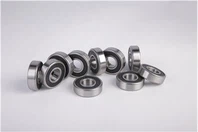
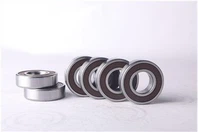
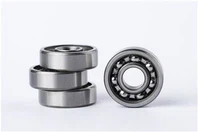
Paper roller bearings are a unique and often underestimated type of bearing in the world of mechanical engineering. As a supplier of paper roller bearings, I am frequently asked about the coefficient of friction of these bearings. This blog post aims to delve into this topic, exploring whether paper roller bearings have a high or low coefficient of friction, and how this characteristic impacts their performance and applications.
Understanding the Coefficient of Friction
Before we discuss the coefficient of friction of paper roller bearings, it's important to understand what the coefficient of friction is. In simple terms, the coefficient of friction is a measure of the amount of friction between two surfaces in contact. A low coefficient of friction means that the surfaces can slide past each other with relatively little resistance, while a high coefficient of friction indicates that there is more resistance to sliding.
The coefficient of friction is influenced by several factors, including the nature of the materials in contact, the surface roughness, and the presence of lubricants. In the case of bearings, the coefficient of friction is a critical parameter as it affects the efficiency, wear, and heat generation of the bearing.
Factors Affecting the Coefficient of Friction in Paper Roller Bearings
Material Properties
Paper, as the primary material of paper roller bearings, has unique properties that can influence the coefficient of friction. Paper is a porous material, which means it can absorb lubricants and act as a reservoir for them. This can help to reduce the friction between the bearing surfaces by providing a thin layer of lubrication. Additionally, the fibers in paper can create a micro - textured surface, which can also affect the friction characteristics.
The type of paper used in the bearing also matters. Different papers have different densities, fiber compositions, and surface finishes, all of which can impact the coefficient of friction. For example, a high - density paper may have a different friction coefficient compared to a low - density paper.
Surface Finish
The surface finish of the paper roller bearing plays a crucial role in determining the coefficient of friction. A smooth surface finish generally results in a lower coefficient of friction as there are fewer irregularities for the surfaces to catch on. However, achieving a perfectly smooth surface with paper can be challenging due to its fibrous nature.


Manufacturing processes can also affect the surface finish. For instance, if the paper is cut or machined, the edges and surfaces may have a different roughness compared to the original paper. This can influence the friction between the bearing and the mating surfaces.
Lubrication
Lubrication is a key factor in reducing the coefficient of friction in any bearing, and paper roller bearings are no exception. As mentioned earlier, paper can absorb lubricants, which can form a thin film between the bearing surfaces. This film separates the surfaces and reduces the direct contact, thereby lowering the friction.
The type of lubricant used is also important. Different lubricants have different viscosities and chemical properties, which can affect their ability to reduce friction. For example, a high - viscosity lubricant may provide better lubrication under heavy loads, while a low - viscosity lubricant may be more suitable for high - speed applications.
Is the Coefficient of Friction High or Low?
In general, paper roller bearings tend to have a relatively low coefficient of friction, especially when properly lubricated. The porous nature of paper allows it to hold lubricants effectively, creating a lubricating film that reduces the contact between the bearing surfaces. This results in less resistance to motion and a lower coefficient of friction.
However, it's important to note that the coefficient of friction can vary depending on the specific application and operating conditions. For example, in high - load or high - speed applications, the coefficient of friction may increase due to the increased stress on the bearing surfaces. Additionally, if the lubricant dries out or becomes contaminated, the friction can also rise.
Applications of Paper Roller Bearings Based on Friction Characteristics
Low - Friction Applications
Due to their relatively low coefficient of friction, paper roller bearings are well - suited for applications where low friction is desired. One such application is in [6200zz Garage Door Rollers](/slide - pulley - bearings/pulley - bearings/6200zz - garage - door - rollers.html). These rollers need to move smoothly along the tracks to ensure the easy opening and closing of garage doors. The low friction of paper roller bearings helps to reduce the energy required to operate the doors and also minimizes wear on the rollers and tracks.
Another application is in [Industrial Roller Bearings](/slide - pulley - bearings/pulley - bearings/industrial - roller - bearings.html). In industrial machinery, low - friction bearings can improve the efficiency of the equipment by reducing the power consumption. Paper roller bearings can be used in conveyor systems, where they need to rotate freely to move the products along the conveyor belt.
Moderate - Friction Applications
There are also applications where a moderate level of friction is acceptable or even beneficial. For example, in [Door Bearing Wheels](/slide - pulley - bearings/pulley - bearings/door - bearing - wheels.html), a certain amount of friction can help to provide stability and control. The friction can prevent the wheels from slipping or moving too freely, which is important for the proper functioning of the door.
Advantages of Low - Friction Paper Roller Bearings
Energy Efficiency
As mentioned earlier, low - friction paper roller bearings can improve the energy efficiency of the equipment they are used in. By reducing the resistance to motion, less energy is required to operate the machinery. This can lead to significant cost savings in the long run, especially in industrial applications where large amounts of energy are consumed.
Reduced Wear
Low friction also means less wear on the bearing surfaces and the mating components. When the friction is low, there is less heat generated, which can reduce the risk of thermal damage to the bearing. Additionally, the reduced wear can extend the service life of the bearing, reducing the need for frequent replacements.
Quiet Operation
Low - friction bearings tend to operate more quietly compared to bearings with a high coefficient of friction. This is because there is less vibration and noise generated when the surfaces slide past each other smoothly. In applications where noise reduction is important, such as in residential or office environments, paper roller bearings can be a good choice.
Conclusion
In conclusion, paper roller bearings generally have a relatively low coefficient of friction, especially when properly lubricated. This characteristic makes them suitable for a wide range of applications, from low - friction applications like garage door rollers and industrial conveyor systems to moderate - friction applications like door bearing wheels.
The low coefficient of friction of paper roller bearings offers several advantages, including energy efficiency, reduced wear, and quiet operation. However, it's important to consider the specific application and operating conditions when choosing paper roller bearings, as the friction coefficient can vary depending on these factors.
If you are interested in learning more about our paper roller bearings or have specific requirements for your application, we invite you to contact us for a procurement discussion. We are committed to providing high - quality paper roller bearings that meet your needs and expectations.
References
- Hall, A. S., & Holowenko, J. B. (1980). Handbook of bearings: selection, application, and design. McGraw - Hill.
- Harris, T. A., & Kotzalas, M. N. (2007). Rolling bearing analysis. Wiley.
- Radzimovsky, R. (1967). Friction and wear of paper. Journal of Applied Polymer Science, 11(3), 513 - 522.