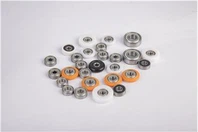
Matching the right door bearing wheels to your door is a crucial step in ensuring smooth operation, durability, and overall functionality. As a supplier of Door Bearing Wheels, I understand the importance of this process and am here to guide you through it. In this blog, I'll share some insights on how to make the best match for your specific door needs.
Understanding Your Door Type
The first step in matching door bearing wheels is to understand the type of door you have. Different doors require different types of bearing wheels due to variations in weight, size, and the way they operate.
Sliding Doors
Sliding doors are common in both residential and commercial settings. They rely on bearing wheels to move smoothly along a track. For sliding doors, you need wheels that can handle the weight of the door and provide low - friction movement. Sliding Gate Roller Bearings are often a great choice for larger sliding doors or gates. These bearings are designed to support heavy loads and can withstand the constant movement along the track. They typically have a durable outer race and high - quality rolling elements that ensure long - term performance.
Hinged Doors
Hinged doors swing open and closed on hinges. While they don't use wheels in the traditional sense, some heavier or larger hinged doors may benefit from the addition of bearing wheels to assist with movement. In such cases, smaller, more compact bearing wheels can be used to reduce friction at the hinge points. This helps to prevent wear and tear on the hinges and makes the door easier to open and close.
Folding Doors
Folding doors consist of multiple panels that fold together. They require bearing wheels that can handle the unique movement pattern. The wheels need to be able to pivot and move smoothly as the door folds and unfolds. U Type Groove Pulley can be a suitable option for folding doors. The U - shaped groove helps to keep the wheels in place on the track and allows for smooth and stable movement.
Consider the Door Weight
The weight of the door is a critical factor in selecting the right bearing wheels. Heavier doors require wheels with a higher load - carrying capacity. If you choose wheels that are not rated to handle the weight of the door, they will wear out quickly, and the door may not operate smoothly.
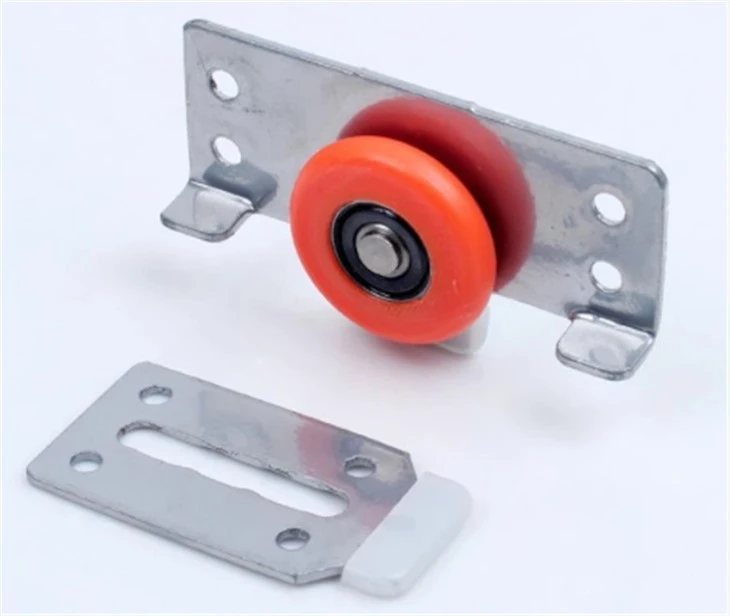

To determine the weight of your door, you can use a scale if the door is small enough to lift. For larger doors, you may need to estimate the weight based on the materials used. For example, a solid wood door will be heavier than a hollow - core door of the same size. Once you know the weight of the door, you can select bearing wheels with a load - capacity rating that exceeds the door's weight. This provides a safety margin and ensures that the wheels can handle any additional stress or weight fluctuations.
Evaluate the Track System
The track system on which the door moves also plays a significant role in matching the bearing wheels. Different track systems have different dimensions, shapes, and surface finishes.
Track Dimensions
The width and depth of the track are important considerations. The bearing wheels must fit properly within the track to ensure smooth movement. If the wheels are too wide or too narrow for the track, they may bind or derail. Measure the width and depth of the track accurately before selecting the wheels.
Track Surface Finish
The surface finish of the track can affect the performance of the bearing wheels. A smooth track surface will allow the wheels to roll more easily, reducing friction and wear. Rough or uneven track surfaces can cause the wheels to wear out faster and may lead to noisy operation. In some cases, you may need to choose wheels with a special coating or material that can handle rough track surfaces.
Select the Right Material
The material of the bearing wheels is another important factor. Different materials offer different properties in terms of durability, noise reduction, and resistance to wear and corrosion.
Metal Wheels
Metal wheels, such as steel or aluminum, are known for their strength and durability. They can handle heavy loads and are resistant to wear. However, metal wheels can be noisy, especially on hard track surfaces. They may also be prone to corrosion if not properly coated or maintained.
Plastic Wheels
Plastic wheels are lightweight, quiet, and resistant to corrosion. They are a good choice for doors in residential settings where noise reduction is important. However, plastic wheels may not be as durable as metal wheels and may not be suitable for heavy - duty applications.
Rubber Wheels
Rubber wheels provide excellent shock absorption and noise reduction. They are often used on doors where a smooth and quiet operation is required. However, rubber wheels may wear out faster than metal or plastic wheels, especially if they are exposed to high temperatures or abrasive surfaces. Paper Roller Bearing is an option that combines the properties of different materials. It offers a good balance of strength, durability, and noise reduction.
Installation and Maintenance
Proper installation and maintenance of the bearing wheels are essential for their long - term performance.
Installation
When installing the bearing wheels, make sure they are properly aligned with the track. Incorrect alignment can cause the wheels to wear unevenly and may lead to premature failure. Follow the manufacturer's instructions carefully during installation.
Maintenance
Regular maintenance can extend the life of the bearing wheels. This includes cleaning the wheels and the track to remove dirt and debris, lubricating the wheels if necessary, and inspecting the wheels for signs of wear or damage. If you notice any problems with the wheels, such as excessive noise, vibration, or difficulty in movement, replace them as soon as possible.
Conclusion
Matching the right door bearing wheels to your door is a multi - step process that requires careful consideration of the door type, weight, track system, and material. By taking the time to understand these factors and making the right choices, you can ensure that your door operates smoothly and efficiently for years to come.
If you are in the process of selecting door bearing wheels for your project or need more information, please don't hesitate to contact us. We are here to assist you in finding the perfect solution for your door needs. Our team of experts can provide you with detailed product information, technical support, and help you make the best purchasing decision. Whether you have a small residential door or a large commercial installation, we have the right bearing wheels for you.
References
- Door Hardware Association. (20XX). Guidelines for Selecting Door Bearings.
- Bearing Manufacturers Association. (20XX). Technical Handbook on Bearing Wheels.