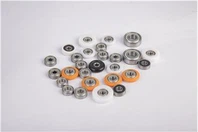
Mini roller bearings are crucial components in various precision machinery and equipment, offering high performance in limited spaces. As a dedicated supplier of Mini Roller Bearings, I understand the importance of proper cleaning to maintain their optimal functionality. In this blog, I will share comprehensive steps and tips on how to clean mini roller bearings effectively.
Understanding the Need for Cleaning
Mini roller bearings are often used in applications where precision is paramount, such as in robotics, medical devices, and high - speed rotating machinery. Over time, these bearings can accumulate dirt, debris, grease, and other contaminants. These contaminants can cause increased friction, wear, and even premature failure of the bearings. Regular cleaning helps to remove these harmful substances, extend the bearing's lifespan, and ensure smooth and efficient operation.
Pre - cleaning Preparation
Before starting the cleaning process, it is essential to gather all the necessary tools and materials. You will need a suitable cleaning solvent, such as mineral spirits or a specialized bearing cleaner. Make sure to choose a solvent that is compatible with the bearing materials and will not cause any damage. You will also need clean lint - free rags, a small brush (preferably a soft - bristle brush), a container for the cleaning solvent, and a pair of gloves to protect your hands.
Inspect the bearings carefully before cleaning. Check for any signs of damage, such as cracks, dents, or excessive wear. If you notice any severe damage, it may be necessary to replace the bearings instead of cleaning them.
Disassembly (if necessary)
Some mini roller bearings may need to be disassembled for a thorough cleaning. However, this step should be done with extreme caution, as improper disassembly can lead to misalignment or damage to the bearing components.
If disassembly is required, refer to the manufacturer's instructions. Use appropriate tools, such as a bearing puller or a press, to remove the bearing components safely. Keep track of all the parts, and arrange them in an organized manner to ensure easy reassembly later.


Cleaning Process
- Initial Rinse: Place the bearings in the container filled with the cleaning solvent. Allow them to soak for a few minutes to loosen the dirt and debris. Gently agitate the bearings in the solvent to help dislodge any stubborn contaminants.
- Brushing: Use the soft - bristle brush to carefully scrub the bearings. Pay special attention to the raceways, rollers, and cages. Make sure to remove all the dirt and debris from these critical areas. Be gentle while brushing to avoid scratching the bearing surfaces.
- Rinsing: After brushing, remove the bearings from the solvent and rinse them thoroughly with clean solvent. This step helps to remove any remaining dirt and brush debris.
- Drying: Use a clean lint - free rag to dry the bearings. Make sure to dry them completely, as any remaining moisture can cause rust and corrosion. You can also use compressed air to speed up the drying process, but ensure that the air is clean and dry.
Special Considerations for Different Types of Bearings
608 Roller Bearing
The 608 roller bearing is a commonly used miniature bearing. When cleaning 608 roller bearings, be extra careful with the small components. Due to their small size, they can be easily lost or damaged during the cleaning process. The raceways of 608 bearings are relatively small, so use a fine - tipped brush to clean them effectively.
Micro Roller Bearings
Micro roller bearings are even smaller and more delicate than standard mini roller bearings. Cleaning micro roller bearings requires a high level of precision. Use a very soft brush and a gentle cleaning solvent. It may be necessary to use a microscope or magnifying glass to inspect these bearings during and after cleaning to ensure that all contaminants are removed.
Reassembly (if disassembled)
Once the bearings are clean and dry, it's time to reassemble them. Refer to the manufacturer's instructions for the correct assembly procedure. Apply a thin layer of appropriate lubricant to the bearing components before reassembly. This helps to reduce friction and protect the bearings during operation.
Make sure all the parts are properly aligned and installed in the correct position. Use a press or other suitable tools to install the bearings back into the equipment, if necessary.
Post - cleaning Inspection
After cleaning and reassembly, inspect the bearings again. Check for smooth rotation and proper alignment. Listen for any unusual noises or vibrations when the bearings are rotated. If you notice any problems, it may be necessary to repeat the cleaning process or replace the bearings.
Maintenance Tips
- Regular Cleaning Schedule: Establish a regular cleaning schedule for your mini roller bearings based on the operating conditions. Bearings in dirty or high - humidity environments may need to be cleaned more frequently.
- Proper Storage: When not in use, store the bearings in a clean, dry place. Use appropriate packaging to protect them from dust and moisture.
- Lubrication: Use the right type and amount of lubricant for your bearings. Over - lubrication or under - lubrication can both cause problems.
Conclusion
Proper cleaning of mini roller bearings is essential for their long - term performance and reliability. By following the steps and tips outlined in this blog, you can ensure that your mini roller bearings are clean, well - maintained, and ready to perform at their best.
As a trusted supplier of Mini Roller Bearings, I am committed to providing high - quality products and expert advice. If you have any questions about cleaning, maintenance, or purchasing mini roller bearings, I encourage you to contact me for a detailed discussion. We can explore how our products can meet your specific needs and help you achieve optimal performance in your applications.
References
- Bearing Handbook, SKF
- Miniature Bearing Manufacturer's Manuals