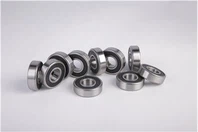
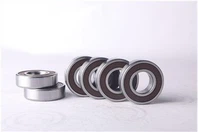
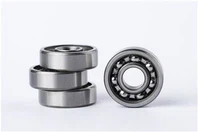
Hey there! As a supplier of Pulley Bearings, I've seen firsthand how crucial it is to get the pre - load of pulley bearings just right. In this blog, I'll share my insights on how to adjust the pre - load of pulley bearings, which can greatly impact the performance and lifespan of your equipment.
Why Pre - load Matters
Before we dive into the adjustment process, let's quickly talk about why pre - load is so important. Pre - load is essentially the amount of force applied to a bearing before any external load is added. It helps to eliminate internal clearance within the bearing, which can reduce vibration, noise, and wear. A properly pre - loaded bearing can also improve the bearing's stiffness and rotational accuracy, making your machinery run more smoothly.
Tools You'll Need
To adjust the pre - load of pulley bearings, you'll need a few basic tools:
- Torque Wrench: This is used to apply the correct amount of force when tightening the bearing components. It's essential for achieving consistent and accurate pre - load.
- Dial Indicator: A dial indicator helps you measure the amount of movement or deflection in the bearing. This is useful for determining if the pre - load is within the desired range.
- Feeler Gauges: These are used to measure small gaps or clearances between bearing components. They can be handy for checking the initial clearance before pre - loading.
Step - by - Step Adjustment Process
Step 1: Prepare the Bearing and Equipment
First, make sure the bearing and the equipment it will be installed in are clean and free of any debris. Inspect the bearing for any signs of damage or wear. If you notice any issues, it's best to replace the bearing before proceeding.
Step 2: Measure the Initial Clearance
Use a feeler gauge to measure the initial internal clearance of the bearing. This will give you a baseline for comparison after pre - loading. Record the measurement for future reference.
Step 3: Install the Bearing
Carefully install the bearing into the housing or pulley according to the manufacturer's instructions. Make sure it is properly seated and aligned.
Step 4: Apply the Initial Pre - load
Using a torque wrench, start applying a light pre - load to the bearing. This can usually be done by tightening the mounting bolts or nuts. Refer to the bearing manufacturer's specifications for the recommended initial pre - load torque.


Step 5: Check the Pre - load with a Dial Indicator
Mount a dial indicator on the bearing housing or pulley and measure the amount of movement or deflection. Slowly rotate the pulley or shaft while observing the dial indicator. The reading should fall within the acceptable range specified by the manufacturer. If the reading is too high, it means the pre - load is too low, and you'll need to increase it. If the reading is too low, the pre - load is too high, and you'll need to reduce it.
Step 6: Fine - tune the Pre - load
Based on the dial indicator reading, make small adjustments to the pre - load by tightening or loosening the mounting bolts or nuts. Keep checking the pre - load with the dial indicator after each adjustment until you achieve the desired pre - load.
Step 7: Re - check the Clearance
Once you've achieved the correct pre - load, use the feeler gauge again to measure the internal clearance of the bearing. Compare this measurement with the initial clearance you recorded earlier. The clearance should be reduced, indicating that the pre - load has been successfully applied.
Common Mistakes to Avoid
- Over - pre - loading: Applying too much pre - load can cause excessive heat, premature wear, and even bearing failure. Always follow the manufacturer's recommendations.
- Under - pre - loading: Insufficient pre - load can result in increased vibration, noise, and reduced bearing life. Make sure to achieve the proper pre - load for optimal performance.
- Incorrect Installation: Improper installation of the bearing can lead to uneven pre - load distribution. Always follow the correct installation procedures.
Different Types of Pulley Bearings and Their Pre - load Requirements
As a Pulley Bearings supplier, I deal with various types of pulley bearings, each with its own pre - load requirements. For example, Paper Roller Bearing is commonly used in the paper industry. These bearings often require a relatively light pre - load to ensure smooth rotation and prevent damage to the paper.
Door Bearing Wheels are used in doors and sliding systems. They need to be pre - loaded to a certain degree to provide stable support and smooth operation.
6200zz Garage Door Rollers are designed for garage doors. The pre - load for these rollers is important to ensure quiet and reliable operation, especially in high - traffic areas.
Conclusion
Adjusting the pre - load of pulley bearings is a critical step in ensuring the optimal performance and longevity of your equipment. By following the steps outlined in this blog and avoiding common mistakes, you can achieve the right pre - load for your specific application.
If you're in the market for high - quality pulley bearings or need more advice on pre - load adjustment, don't hesitate to reach out. We're here to help you find the best solutions for your needs. Whether you're a small business or a large industrial operation, we can provide you with the right bearings and support. Contact us today to start the procurement process and let's work together to keep your machinery running smoothly!
References
- Bearing Manufacturer's Installation and Maintenance Guides
- Machinery's Handbook for Bearing Design and Application