Hey there! As a supplier of U Type Groove Pulleys, I've been getting a lot of questions lately about how the groove angle of these pulleys affects the belt's stability. So, I thought I'd dive into this topic and share some insights based on my experience in the industry.
First off, let's talk a bit about what a U Type Groove Pulley is. If you're not familiar, you can check out this U Type Groove Pulley link to get a better idea. These pulleys are commonly used in various industrial applications, and the shape of the groove plays a crucial role in how well the belt performs.
The groove angle of a U Type Groove Pulley refers to the angle formed by the sides of the groove. This angle can vary depending on the specific application and the type of belt being used. A smaller groove angle means that the sides of the groove are closer together, while a larger angle means they're more spread out.
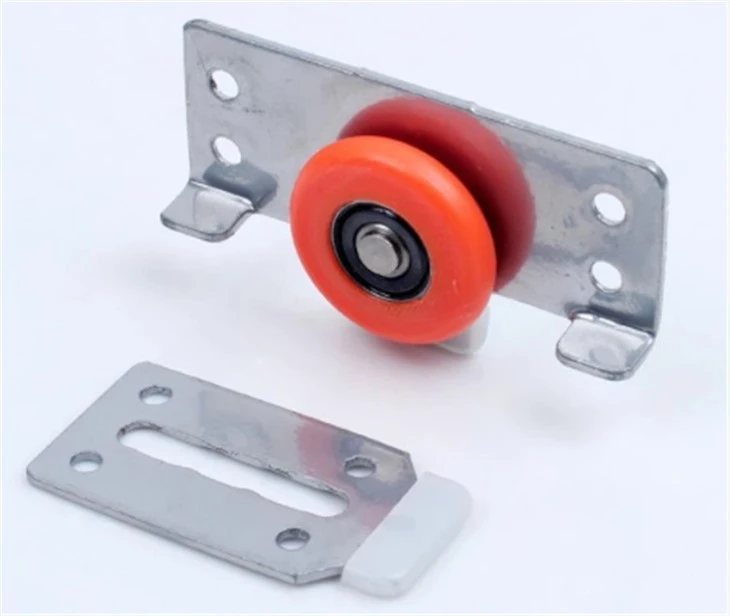

One of the main ways the groove angle affects the belt's stability is through the amount of contact it provides. When the belt sits in the groove of the pulley, the contact between the belt and the pulley surface is what allows for the transfer of power. A well - designed groove angle ensures that the belt has enough contact with the pulley to grip it firmly, preventing slippage.
For example, if the groove angle is too large, the belt may not have enough lateral support. This can cause the belt to move side - to - side within the groove, leading to instability. On the other hand, if the groove angle is too small, the belt may be forced into a tight fit. This can cause excessive wear on the belt, as well as increased friction, which can lead to overheating and premature failure.
Let's look at some real - world scenarios. In applications where high - torque transmission is required, such as in heavy - duty industrial machinery, a smaller groove angle might be preferred. This is because a smaller angle provides more contact area between the belt and the pulley, allowing for better power transfer. However, in applications where the belt needs to be more flexible, like in some conveyor systems, a larger groove angle could be more suitable. It gives the belt more room to move and adjust, reducing the risk of binding.
Another factor to consider is the type of belt being used. Different types of belts, such as V - belts, flat belts, or timing belts, have different requirements when it comes to the groove angle. V - belts, for instance, are designed to fit into a specific groove angle that matches their cross - sectional shape. A mismatch in the groove angle can cause the V - belt to not seat properly, leading to poor performance and reduced stability.
When it comes to choosing the right groove angle for your application, it's important to consider the belt's material and properties. For example, belts made of softer materials may require a different groove angle compared to those made of more rigid materials. Softer belts may need a slightly larger angle to prevent excessive compression and wear.
Now, let's touch on some related products. We also offer Industrial Roller Bearings and Sliding Gate Roller Bearings. These bearings work in conjunction with the U Type Groove Pulleys in many applications. The right combination of pulleys and bearings can significantly improve the overall performance and stability of the system.
In addition to the groove angle, other factors can also affect the belt's stability. The surface finish of the pulley, for example, can play a role. A smooth surface reduces friction, which can improve the belt's movement and stability. The quality of the belt itself is also crucial. A high - quality belt that is properly maintained will be more stable and have a longer lifespan.
Proper installation is another key aspect. If the pulley is not installed correctly, even the perfect groove angle won't guarantee the belt's stability. The pulley needs to be aligned properly with other components in the system, and the tension of the belt needs to be set correctly.
It's also important to regularly inspect the belt and pulley system. Over time, wear and tear can occur, and the groove angle may need to be adjusted or the pulley replaced. This proactive approach can help prevent costly breakdowns and ensure the long - term stability of the system.
As a U Type Groove Pulley supplier, I understand that choosing the right pulley and groove angle can be a complex decision. That's why we're here to help. Our team of experts can work with you to understand your specific application and recommend the best groove angle and pulley design for your needs.
Whether you're in the market for a new U Type Groove Pulley, or you're looking to optimize an existing system, we're ready to assist. We offer a wide range of products, and we're committed to providing high - quality solutions that meet your requirements.
If you're interested in learning more about our U Type Groove Pulleys or have any questions about how the groove angle affects belt stability, don't hesitate to reach out. We're always happy to have a chat and help you find the best solution for your application.
In conclusion, the groove angle of a U Type Groove Pulley is a critical factor in determining the belt's stability. By carefully considering the application, the type of belt, and other related factors, you can choose the right groove angle to ensure optimal performance and longevity of your belt - pulley system. So, if you're in the market for reliable pulleys and need some guidance, we're just a message away.
References
- Norton, Robert L. "Machine Design: An Integrated Approach". Pearson, 2012.
- Spotts, Milton F., et al. "Design of Machine Elements". Prentice Hall, 2004.