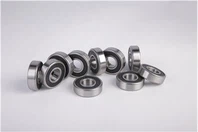
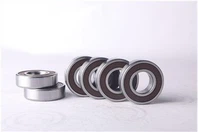
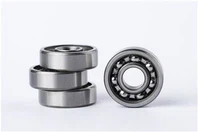
As a supplier of Bearing 6305, I've received numerous inquiries from customers regarding the impact of bearing sealing on its performance. In this blog post, I'll delve into this topic, exploring how the sealing of Bearing 6305 can influence its functionality, durability, and overall efficiency.
Understanding Bearing 6305
Before we discuss the effects of sealing, let's briefly introduce Bearing 6305. Bearing 6305 is a type of deep groove ball bearing that belongs to the 6000 series. It is widely used in various industrial applications due to its high-speed capabilities, low friction, and reliable performance. This bearing is designed to support both radial and axial loads, making it suitable for a wide range of machinery, including electric motors, pumps, conveyors, and agricultural equipment.

The Role of Sealing in Bearings
Sealing is an essential component of bearing design, serving multiple purposes. The primary function of a bearing seal is to prevent the ingress of contaminants such as dust, dirt, water, and other foreign particles into the bearing. These contaminants can cause premature wear, corrosion, and damage to the bearing components, leading to reduced performance and shortened service life. Additionally, seals help to retain lubricant within the bearing, ensuring proper lubrication and reducing friction and heat generation.
Types of Seals for Bearing 6305
There are several types of seals available for Bearing 6305, each with its own advantages and disadvantages. The most common types of seals include:
- Rubber Seals: Rubber seals are made of elastomeric materials such as nitrile rubber (NBR) or fluoroelastomer (FKM). They provide excellent sealing performance, preventing the ingress of contaminants and retaining lubricant effectively. Rubber seals are also flexible and can conform to the shape of the bearing, providing a tight seal. However, they may have limited temperature and chemical resistance compared to other types of seals.
- Metal Seals: Metal seals are typically made of stainless steel or other corrosion-resistant metals. They offer high durability and can withstand harsh operating conditions, including high temperatures, pressures, and chemical exposure. Metal seals are also less likely to deform or wear out over time, providing a long-lasting seal. However, they may be more expensive than rubber seals and may not provide as good of a seal as rubber seals in some applications.
- Shields: Shields are thin metal plates that are attached to the bearing to provide partial protection against contaminants. They are less effective than seals in preventing the ingress of small particles but are more permeable to air and lubricant, allowing for better ventilation and lubrication within the bearing. Shields are commonly used in applications where the bearing is exposed to relatively clean environments and where low friction and high-speed operation are required.
Impact of Sealing on Bearing Performance
The sealing of Bearing 6305 can have a significant impact on its performance in several ways. Here are some of the key factors to consider:
- Contamination Resistance: One of the most important benefits of sealing is its ability to prevent the ingress of contaminants into the bearing. By keeping the bearing clean, seals can reduce wear and tear on the bearing components, extend the service life of the bearing, and improve its reliability. In applications where the bearing is exposed to harsh environments, such as dusty or wet conditions, a properly sealed bearing can significantly outperform an unsealed or poorly sealed bearing.
- Lubrication Retention: Seals also play a crucial role in retaining lubricant within the bearing. Lubrication is essential for reducing friction and heat generation, preventing wear and corrosion, and ensuring smooth operation of the bearing. By keeping the lubricant in place, seals can help to maintain proper lubrication levels and prevent the lubricant from leaking out of the bearing. This can improve the efficiency of the bearing and reduce the need for frequent lubrication maintenance.
- Friction and Heat Generation: The type of seal used in Bearing 6305 can also affect its friction and heat generation characteristics. Rubber seals, for example, tend to have higher friction coefficients than metal seals or shields, which can result in increased heat generation and reduced efficiency. However, rubber seals also provide better sealing performance, which can offset the increased friction in some applications. Metal seals and shields, on the other hand, have lower friction coefficients but may not provide as good of a seal as rubber seals.
- Speed and Noise: Sealing can also have an impact on the speed and noise performance of Bearing 6305. In high-speed applications, the friction generated by the seal can cause additional heat and wear, which can limit the maximum speed of the bearing. Additionally, the type of seal used can affect the noise level of the bearing. Rubber seals tend to be quieter than metal seals or shields, as they provide a better cushioning effect and reduce vibration and noise transmission.
Choosing the Right Seal for Bearing 6305
When choosing a seal for Bearing 6305, it's important to consider the specific requirements of your application. Here are some factors to keep in mind:
- Operating Environment: The operating environment is one of the most important factors to consider when choosing a seal. If the bearing is exposed to harsh conditions, such as high temperatures, pressures, or chemical exposure, a metal seal or a high-temperature rubber seal may be required. If the bearing is used in a relatively clean environment, a rubber seal or a shield may be sufficient.
- Lubrication Requirements: The type of lubricant used in the bearing can also affect the choice of seal. Some lubricants may be incompatible with certain types of seals, so it's important to choose a seal that is compatible with the lubricant. Additionally, if the bearing requires frequent lubrication, a seal that allows for easy lubrication access may be preferred.
- Speed and Load Requirements: The speed and load requirements of the application can also influence the choice of seal. In high-speed applications, a low-friction seal may be required to reduce heat generation and improve efficiency. In high-load applications, a seal that can withstand the additional stress and pressure may be necessary.
- Cost: Cost is always a consideration when choosing a seal. Rubber seals are generally less expensive than metal seals, but they may have a shorter service life and may require more frequent replacement. Metal seals are more expensive but offer greater durability and performance in harsh operating conditions.
Conclusion
In conclusion, the sealing of Bearing 6305 can have a significant impact on its performance, durability, and overall efficiency. By choosing the right seal for your application, you can prevent the ingress of contaminants, retain lubricant, reduce friction and heat generation, and improve the reliability and service life of the bearing. As a supplier of Bearing 6305, I can provide you with expert advice and guidance on choosing the right seal for your specific needs. If you have any questions or would like to discuss your bearing requirements further, please don't hesitate to contact me. I look forward to the opportunity to work with you and help you find the best solution for your application.
References
- "Bearing Handbook," SKF Group
- "Deep Groove Ball Bearings," NTN Corporation
- "Rolling Bearing Technology," Timken Company