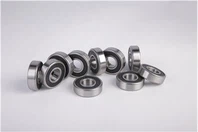
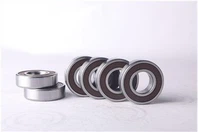
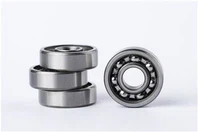
Do pulley bearings require lubrication? This is a question that often arises among those who use or are considering using pulley bearings in various applications. As a reputable supplier of pulley bearings, we have encountered this query numerous times and believe it's essential to provide a comprehensive answer to help our customers make informed decisions.
Understanding Pulley Bearings
Before delving into the lubrication question, it's important to understand what pulley bearings are and how they function. Pulley bearings are mechanical components that support the rotation of pulleys, which are used to transmit power or change the direction of a belt or rope. They reduce friction between the pulley and its shaft, allowing for smooth and efficient operation. Our company offers a wide range of pulley bearings, including Door Bearing Wheels, Paper Roller Bearing, and U Type Groove Pulley, each designed to meet specific industry needs.
The Role of Lubrication in Pulley Bearings
Lubrication plays a crucial role in the performance and longevity of pulley bearings. Here are some of the key benefits of proper lubrication:
Reducing Friction
Friction is the enemy of any moving part, and pulley bearings are no exception. When two surfaces rub against each other, friction generates heat, which can cause wear and tear on the bearing components. Lubrication forms a thin film between the moving parts, reducing friction and minimizing heat generation. This not only extends the life of the bearing but also improves the overall efficiency of the pulley system.
Preventing Wear
In addition to reducing friction, lubrication helps to prevent wear on the bearing surfaces. As the bearing rotates, the lubricant acts as a barrier, protecting the metal surfaces from direct contact and abrasion. This is especially important in high-load or high-speed applications, where the risk of wear is greater.
Corrosion Protection
Many pulley bearings are exposed to harsh environments, including moisture, chemicals, and dust. Lubrication can help to protect the bearing from corrosion by forming a protective layer on the metal surfaces. This layer prevents moisture and other corrosive substances from coming into contact with the bearing, reducing the risk of rust and damage.
Noise Reduction
Lubrication can also help to reduce noise and vibration in the pulley system. When the bearing is properly lubricated, the moving parts operate more smoothly, resulting in less noise and vibration. This is particularly important in applications where noise reduction is a priority, such as in residential or commercial settings.
When Lubrication is Necessary
While lubrication offers many benefits, not all pulley bearings require it. The need for lubrication depends on several factors, including the type of bearing, the application, and the operating conditions. Here are some general guidelines to help you determine whether your pulley bearings need lubrication:
High-Speed or High-Load Applications
In high-speed or high-load applications, such as in industrial machinery or automotive engines, pulley bearings are subject to greater stress and wear. In these cases, lubrication is typically necessary to ensure smooth operation and prevent premature failure.
Harsh Environments
If the pulley bearings are exposed to harsh environments, such as extreme temperatures, moisture, dust, or chemicals, lubrication can help to protect the bearings from damage. For example, bearings used in outdoor equipment or in chemical processing plants may require regular lubrication to prevent corrosion and wear.
Long-Term Use
Over time, the lubricant in a bearing can break down or become contaminated, reducing its effectiveness. If the pulley bearings are used continuously for an extended period, it's important to check the lubrication level regularly and replenish it as needed.
Types of Lubricants for Pulley Bearings
There are several types of lubricants available for pulley bearings, each with its own unique properties and applications. Here are some of the most common types of lubricants:
Grease
Grease is a popular choice for pulley bearings because it provides long-lasting lubrication and protection. It consists of a base oil and a thickening agent, which helps to keep the oil in place and prevent it from leaking out. Grease is available in a variety of formulations, each designed to meet specific operating conditions. For example, high-temperature grease is suitable for bearings used in applications where the temperature exceeds 150°C, while water-resistant grease is ideal for bearings exposed to moisture.
Oil
Oil is another common lubricant for pulley bearings. It offers better cooling and heat transfer properties than grease, making it suitable for high-speed or high-temperature applications. Oil can be applied directly to the bearing or circulated through a lubrication system. However, oil requires more frequent replenishment than grease and may be more prone to leakage.
Solid Lubricants
Solid lubricants, such as graphite or molybdenum disulfide, are often used in applications where traditional lubricants are not suitable. Solid lubricants can provide lubrication in extreme conditions, such as high temperatures or in the absence of a liquid lubricant. They are typically applied as a coating on the bearing surfaces or mixed with a binder to form a lubricating paste.
How to Lubricate Pulley Bearings
If your pulley bearings require lubrication, it's important to follow the manufacturer's recommendations for the type and amount of lubricant to use. Here are some general steps to help you lubricate your pulley bearings:
Clean the Bearing
Before lubricating the bearing, it's important to clean it thoroughly to remove any dirt, debris, or old lubricant. You can use a clean cloth or a solvent to clean the bearing surfaces. Make sure to dry the bearing completely before applying the new lubricant.
Apply the Lubricant
Once the bearing is clean and dry, you can apply the lubricant. The method of application depends on the type of lubricant you are using. For grease, you can use a grease gun to inject the grease into the bearing through the grease fitting. For oil, you can apply it directly to the bearing surfaces or use a lubrication system to circulate the oil.


Check the Lubrication Level
After applying the lubricant, it's important to check the lubrication level to ensure that the bearing is properly lubricated. You can do this by checking the lubricant level indicator or by inspecting the bearing for signs of excessive lubrication or dryness.
Monitor the Bearing
Once the bearing is lubricated, it's important to monitor its performance regularly. Check for any signs of noise, vibration, or overheating, which may indicate a problem with the lubrication or the bearing itself. If you notice any issues, it's important to take corrective action immediately to prevent further damage.
Conclusion
In conclusion, lubrication is an important factor in the performance and longevity of pulley bearings. While not all pulley bearings require lubrication, it is typically necessary in high-speed or high-load applications, in harsh environments, or for long-term use. By understanding the role of lubrication and following the manufacturer's recommendations, you can ensure that your pulley bearings operate smoothly and efficiently, reducing the risk of premature failure and costly downtime.
If you have any questions about whether your pulley bearings require lubrication or need help selecting the right lubricant for your application, please don't hesitate to contact us. As a leading supplier of pulley bearings, we have the expertise and experience to help you find the best solution for your needs. We offer a wide range of high-quality pulley bearings and lubricants, as well as professional advice and support. Contact us today to learn more about our products and services and to start a discussion about your procurement needs.
References
- "Bearing Lubrication: Principles and Practices" by Peter J. Blair
- "Mechanical Design Handbook" by Myer Kutz
- "Handbook of Lubrication and Tribology, Volume I: Applications and Management" by Bhushan Bharat