Hey there! As a supplier of Track Bearing Rollers, I often get asked whether these rollers can be used in textile machinery. Well, let's dive right into this topic and find out.
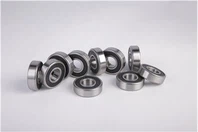
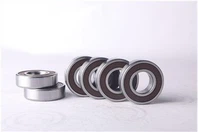
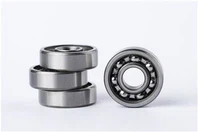
First off, what exactly are Track Bearing Rollers? Track Bearing Rollers are specialized components designed to handle radial and axial loads while rolling on tracks. They are known for their durability, high load - carrying capacity, and smooth operation. You can learn more about them on our website: Track Bearing Roller.
Now, let's talk about textile machinery. Textile machinery encompasses a wide range of equipment, from spinning machines to weaving looms and dyeing equipment. Each type of machinery has its own set of requirements in terms of motion control, load handling, and precision.
One of the key factors in textile machinery is the need for smooth and precise movement. In spinning machines, for example, the fibers need to be drawn out, twisted, and wound onto bobbins with high accuracy. Any vibration or irregular movement can lead to uneven yarn quality. Track Bearing Rollers are great at providing smooth rolling motion. Their design allows for minimal friction, which means less energy consumption and a more stable operation. This smoothness is crucial in ensuring that the textile processes are carried out efficiently and the end - product meets the quality standards.
Another aspect is the load - handling capacity. Textile machinery often deals with heavy loads, especially in large - scale manufacturing. For instance, in a weaving loom, the warp and weft yarns exert significant forces on the moving parts. Track Bearing Rollers are built to handle these high - load situations. They are made from high - quality materials such as hardened steel, which gives them the strength to withstand the stress without deforming or wearing out quickly. This longevity is important as it reduces the frequency of component replacement, saving both time and money for textile manufacturers.
Precision is also a big deal in textile machinery. In processes like knitting, the needles need to move in a very precise pattern to create the desired fabric structure. Track Bearing Rollers can be engineered to high precision levels. Their tight tolerances ensure that the movement of the machine parts is accurate, which is essential for producing complex textile patterns.
However, using Track Bearing Rollers in textile machinery also has some challenges. One of the main concerns is the environment. Textile factories can be quite dusty, and the presence of lint and fibers in the air can pose a problem. These particles can get into the bearings and cause abrasion, reducing their lifespan. To address this issue, we offer Track Bearing Rollers with special seals. These seals are designed to keep out dust and debris, protecting the internal components of the roller and ensuring its long - term performance.
Maintenance is another consideration. While Track Bearing Rollers are generally low - maintenance, proper lubrication is still necessary. In textile machinery, the lubricant needs to be carefully selected to avoid contamination of the textiles. We can provide guidance on the right type of lubricants that are safe for use in textile manufacturing environments.
In addition to the technical aspects, cost - effectiveness is an important factor for textile manufacturers. Our Track Bearing Rollers offer a great balance between performance and cost. They are priced competitively, and their long lifespan means that the overall cost of ownership is relatively low. This makes them an attractive option for both small - scale and large - scale textile businesses.


Let's take a look at some real - world examples. A medium - sized textile factory was facing issues with the performance of their spinning machines. The existing bearings were wearing out quickly, leading to frequent breakdowns and reduced production efficiency. After switching to our Track Bearing Rollers, they noticed a significant improvement. The machines ran more smoothly, and the frequency of breakdowns decreased by more than half. This not only increased their production output but also improved the quality of the yarns they produced.
So, can Track Bearing Rollers be used in textile machinery? The answer is a resounding yes. They offer many benefits in terms of smooth operation, load - handling capacity, precision, and cost - effectiveness. With the right design features such as special seals and proper maintenance, they can perform well in the challenging textile manufacturing environment.
If you're a textile machinery manufacturer or operator and are interested in learning more about how our Track Bearing Rollers can improve your equipment's performance, don't hesitate to get in touch. We'd be more than happy to have a detailed discussion about your specific needs and provide you with the best solutions. Whether you need a small quantity for a prototype or a large - scale order for a full - fledged production line, we've got you covered.
References
- Textile Machinery Handbook: This comprehensive guide provides in - depth information about the various types of textile machinery and their operating requirements.
- Bearing Engineering Manual: It offers detailed knowledge about the design, performance, and maintenance of different types of bearings, including Track Bearing Rollers.