Can a 608 Roller Bearing be Used in a High - Acceleration Application?
As a supplier of 608 Roller Bearing, I often get asked whether the 608 roller bearing is suitable for high - acceleration applications. This is a crucial question, especially for industries where precision and performance under extreme conditions are paramount. In this blog, we'll delve into the characteristics of the 608 roller bearing and evaluate its viability in high - acceleration scenarios.


Understanding the 608 Roller Bearing
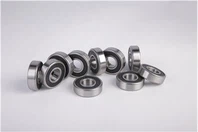
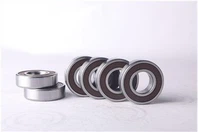
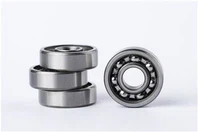
The 608 roller bearing is a type of miniature bearing. Miniature bearings, including Mini Roller Bearings and Micro Roller Bearings, are designed for applications where space is limited and high precision is required. The 608 bearing has a bore diameter of 8mm, an outer diameter of 22mm, and a width of 7mm. It is commonly used in various small - scale machinery, such as skateboard wheels, small electric motors, and some precision instruments.
These bearings are typically made of high - quality materials, such as chrome steel or stainless steel. Chrome steel bearings offer high hardness, good wear resistance, and can withstand moderate loads. Stainless steel bearings, on the other hand, are corrosion - resistant, making them suitable for applications in wet or corrosive environments.
High - Acceleration Applications: What Are They?
High - acceleration applications involve rapid changes in speed and direction. In these scenarios, the bearings are subjected to high inertial forces, which can cause significant stress on the bearing components. Examples of high - acceleration applications include high - speed robotics, some types of racing equipment, and certain aerospace components.
In high - acceleration applications, the key requirements for bearings are high - speed stability, low friction, and the ability to withstand high loads in a short period. Any failure in the bearing can lead to a breakdown of the entire system, resulting in costly downtime and potential safety hazards.
Evaluating the 608 Roller Bearing for High - Acceleration Applications
Load - Carrying Capacity
One of the primary concerns in high - acceleration applications is the load - carrying capacity of the bearing. During acceleration, the bearing experiences dynamic loads that can be much higher than the static loads. The 608 roller bearing has a certain load - carrying capacity, which is determined by its design and material. However, in high - acceleration scenarios, the sudden increase in load may exceed the bearing's rated capacity.
For example, in a high - speed robotic arm that accelerates rapidly, the inertial forces acting on the bearing can be substantial. If the 608 bearing is not properly sized or if the acceleration is too high, it may lead to premature wear, deformation, or even failure of the bearing.
Speed and Friction
High - acceleration applications often require bearings to operate at high speeds. The 608 roller bearing can achieve relatively high rotational speeds, but there are limitations. As the speed increases, the friction between the rolling elements and the raceways also increases, generating heat. Excessive heat can cause the bearing material to expand, affecting the clearance and potentially leading to seizing.
In high - acceleration situations, the rapid change in speed can also cause the lubricant to be displaced, reducing its effectiveness in reducing friction. This can further exacerbate the heat - generation problem and increase the wear rate of the bearing.
Lubrication
Proper lubrication is crucial for the performance of bearings in high - acceleration applications. Lubricants not only reduce friction but also help to dissipate heat and protect the bearing from corrosion. The 608 roller bearing usually comes pre - lubricated with a grease or oil, but in high - acceleration scenarios, the lubrication requirements may be more demanding.
The lubricant needs to have good high - temperature stability and anti - wear properties. It should also be able to maintain its viscosity under high - speed and high - load conditions. In some cases, additional lubrication systems may be required to ensure continuous and effective lubrication of the bearing.
Advantages of Using the 608 Roller Bearing in High - Acceleration Applications
Compact Size
The compact size of the 608 roller bearing makes it suitable for applications where space is limited. In high - acceleration systems, such as small - scale drones or micro - robots, the ability to use a small - sized bearing without sacrificing too much performance can be a significant advantage.
Cost - Effectiveness
Compared to larger and more specialized bearings, the 608 roller bearing is relatively inexpensive. This can be an important factor in some high - acceleration applications, especially those with a large number of bearings or where cost control is a priority.
Mitigating Risks and Ensuring Success
If you decide to use the 608 roller bearing in a high - acceleration application, there are several steps you can take to mitigate the risks and ensure its successful operation.
Proper Sizing
Ensure that the 608 bearing is properly sized for the application. This involves calculating the dynamic loads during acceleration and comparing them with the bearing's rated capacity. You may need to consult with a bearing engineer or use specialized software to perform these calculations accurately.
Lubrication Management
Implement a proper lubrication management system. This may include regular lubricant replacement, monitoring the lubricant level and quality, and using high - performance lubricants specifically designed for high - speed and high - acceleration applications.
Vibration and Temperature Monitoring
Install vibration and temperature sensors to monitor the bearing's condition during operation. Abnormal vibrations or high temperatures can be early indicators of bearing problems. By detecting these issues early, you can take preventive measures, such as adjusting the operating conditions or replacing the bearing before a failure occurs.
Conclusion
In conclusion, while the 608 roller bearing has some limitations in high - acceleration applications, it can still be used successfully with proper planning and risk mitigation. Its compact size and cost - effectiveness make it an attractive option for certain high - acceleration scenarios, especially those with limited space and budget.
However, it is essential to carefully evaluate the application requirements, including load, speed, and lubrication, and take appropriate measures to ensure the bearing's performance and longevity. If you are considering using the 608 roller bearing in a high - acceleration application, I encourage you to contact us for further consultation. Our team of experts can help you determine the best solution for your specific needs and provide you with high - quality bearings and support services.
References
- Harris, T. A., & Kotzalas, M. N. (2007). Rolling Bearing Analysis. John Wiley & Sons.
- Jones, A. R., & Harris, T. A. (1992). Ball and Roller Bearing Engineering. SKF Industries.
- ANSI/AFBMA Standards for rolling bearings. American Bearing Manufacturers Association.