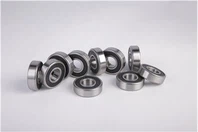
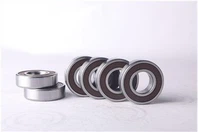
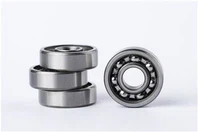
Hey there! As a supplier of 20mm Roller Bearing, I often get asked if these bearings can be used in wet environments. It's a valid question, and in this blog post, I'll dive deep into the topic to give you a clear answer.
Understanding the Basics of 20mm Roller Bearings
First off, let's talk a bit about what 20mm roller bearings are. These are small but mighty components that are designed to reduce friction between moving parts. They're commonly used in a wide range of applications, from small machinery to automotive parts. The 20mm refers to the inner diameter of the bearing, which is a crucial measurement when it comes to fitting the bearing into your specific equipment.
Roller bearings work by using cylindrical or tapered rollers to support the load and allow for smooth rotation. They're known for their high load-carrying capacity and ability to handle both radial and axial loads. But when it comes to wet environments, things get a bit more complicated.
The Challenges of Wet Environments
Wet environments pose several challenges for bearings. The most obvious one is corrosion. Water contains oxygen, which can react with the metal in the bearing to form rust. Rust not only weakens the bearing but also increases friction, which can lead to premature wear and failure.
Another issue is lubrication. In a wet environment, the lubricant in the bearing can be washed away by the water, leaving the bearing components exposed to direct contact and increased friction. This can cause the bearing to overheat and eventually fail.
In addition, moisture can also introduce contaminants into the bearing. Dirt, sand, and other particles can get trapped in the bearing, causing abrasion and further damage.


Can a 20mm Roller Bearing Be Used in a Wet Environment?
The short answer is: it depends. While 20mm roller bearings are not inherently designed for wet environments, there are ways to make them suitable for such conditions.
Material Selection
One of the most important factors is the material of the bearing. Stainless steel is a popular choice for wet environments because it has excellent corrosion resistance. Stainless steel bearings are made from alloys that contain chromium, which forms a protective oxide layer on the surface of the metal, preventing rust from forming.
For example, our Bearing 6203llu is made from high-quality stainless steel, making it a great option for wet applications. It's designed to withstand the harsh conditions of wet environments and provide long-lasting performance.
Sealing and Shielding
Another way to protect the bearing from water and contaminants is to use proper sealing and shielding. Seals and shields are designed to keep water and dirt out of the bearing while retaining the lubricant inside.
There are different types of seals and shields available, depending on the level of protection required. For example, rubber seals provide a high level of protection but can also increase friction, while metal shields offer less protection but have lower friction.
Lubrication
Choosing the right lubricant is also crucial for bearings in wet environments. A high-quality lubricant with good water resistance can help to prevent corrosion and reduce friction. Some lubricants are specifically formulated for wet conditions and contain additives that provide extra protection against rust and wear.
It's also important to regularly check and replenish the lubricant to ensure that the bearing is properly lubricated at all times.
Applications of 20mm Roller Bearings in Wet Environments
Despite the challenges, there are many applications where 20mm roller bearings can be used in wet environments. Here are a few examples:
Food and Beverage Industry
In the food and beverage industry, equipment such as conveyor belts, mixers, and pumps often operate in wet or washdown environments. 20mm roller bearings made from stainless steel and with proper sealing can be used in these applications to ensure reliable performance and meet strict hygiene standards.
Marine and Offshore Applications
Marine and offshore equipment, such as boat engines, winches, and steering systems, are constantly exposed to water and saltwater. 20mm roller bearings that are designed to withstand these harsh conditions are essential for the safe and efficient operation of these systems.
Water Treatment Plants
Water treatment plants use a variety of equipment, including pumps, filters, and agitators, that operate in wet environments. 20mm roller bearings can be used in these applications to support the rotating components and ensure smooth operation.
Conclusion
So, can a 20mm roller bearing be used in a wet environment? The answer is yes, but it requires careful consideration of the material, sealing, and lubrication. By choosing the right bearing and taking the necessary precautions, you can ensure that your bearings perform reliably in wet conditions.
If you're looking for high-quality 20mm roller bearings for wet environments, we've got you covered. Our 20mm Roller Bearing and Bearing 6203llu are designed to meet the demands of even the most challenging applications. We also offer a wide range of Small Rollers with Bearings that are suitable for wet environments.
If you have any questions or need help choosing the right bearing for your application, don't hesitate to get in touch. We're here to assist you with all your bearing needs and ensure that you get the best possible solution for your project.
References
- "Bearing Selection Guide," SKF
- "Corrosion Resistance of Stainless Steel Bearings," Timken
- "Lubrication in Wet Environments," NSK