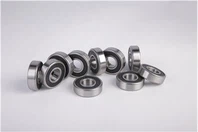
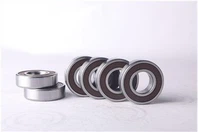
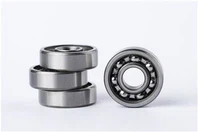
Hey there! As a supplier of Paper Roller Bearings, I'm super stoked to share with you all the nitty - gritty details about the materials used to make these nifty little components.
First off, let's understand what Paper Roller Bearings are. They're a key part in a bunch of industries, especially those dealing with paper processing. These bearings help in smooth movement and reduce friction, making the whole paper - handling process a breeze.
Steel Alloys
One of the most common materials for making Paper Roller Bearings is steel alloys. Steel is a go - to choice because it's tough as nails. There are different types of steel alloys used, like chrome steel. Chrome steel is known for its high hardness and excellent wear resistance. This means that the bearings can handle a lot of stress and keep on ticking for a long time.
When paper is being processed at high speeds, the bearings are under constant pressure. Chrome steel bearings can withstand this pressure without getting worn out quickly. They also have good corrosion resistance, which is crucial as the paper - processing environment might have some moisture or chemicals. Another type of steel alloy used is stainless steel. Stainless steel is great because it's even more resistant to corrosion. If the Paper Roller Bearings are going to be used in a humid or wet environment, stainless steel is the way to go. It won't rust, and it'll maintain its performance over time.


Ceramics
Ceramics are also becoming a popular choice for making Paper Roller Bearings. Ceramics, like silicon nitride, have some amazing properties. They're incredibly hard, even harder than most steel alloys. This means that ceramic bearings can handle extremely high loads without deforming.
In a paper - processing machine, there can be heavy rollers and a lot of pressure on the bearings. Ceramic bearings can take that pressure in stride. They also have low friction coefficients. This is a big deal because less friction means less heat generation. In a high - speed paper - handling process, heat can be a real problem as it can damage the bearings and affect the quality of the paper. With ceramic bearings, the heat issue is significantly reduced.
Moreover, ceramics are chemically inert. They won't react with the chemicals that might be present in the paper - processing environment. This makes them very reliable and long - lasting. However, ceramics are a bit more expensive than steel alloys, but the benefits they offer in terms of performance can be well worth the cost.
Plastics
Plastics are another material option for Paper Roller Bearings. There are different types of plastics used, such as polyamide (nylon). Nylon bearings are lightweight, which is a plus in some applications. In a paper - handling system where weight needs to be kept down, nylon bearings can be a great choice.
They also have good self - lubricating properties. This means that they don't need as much external lubrication as steel or ceramic bearings. In a paper - processing plant, less lubrication can mean less mess and lower maintenance costs. Nylon bearings are also resistant to impact and noise. They can dampen vibrations, which is important as excessive vibrations can affect the quality of the paper being processed.
Another plastic used is PTFE (polytetrafluoroethylene). PTFE has an extremely low friction coefficient, even lower than most other materials. This makes it ideal for applications where smooth movement is crucial. PTFE bearings can ensure that the paper moves through the processing machine without any jerks or snags.
Hybrid Materials
Hybrid bearings are a combination of different materials. For example, a hybrid Paper Roller Bearing might have a steel outer ring and ceramic rolling elements. This combination takes advantage of the best properties of both materials. The steel outer ring provides the strength and durability needed to hold the bearing in place and withstand external forces. The ceramic rolling elements offer the low - friction and high - load - carrying capabilities.
Hybrid bearings can be a great solution when you need a bearing that can handle a variety of conditions. They can perform well in high - speed, high - load situations while also being resistant to corrosion and wear.
Now, if you're in the market for Paper Roller Bearings, you might also be interested in related products. Check out our Sliding Gate Roller Bearings for applications where smooth sliding is required. Our Paper Roller Bearing page has all the details about the different types and specifications we offer. And if you need something for specific pulley applications, take a look at our U Type Groove Pulley.
If you're thinking about purchasing Paper Roller Bearings for your business, we're here to help. We have a wide range of products made from different materials to suit your specific needs. Whether you need a high - performance ceramic bearing for a high - speed paper - processing line or a cost - effective nylon bearing for a less demanding application, we've got you covered. Reach out to us to start a procurement discussion, and we'll work with you to find the perfect solution for your paper - handling needs.
References
- "Handbook of Bearing Design and Application"
- "Materials Science for Engineers"