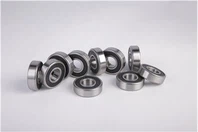
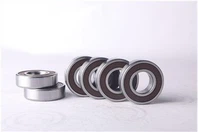
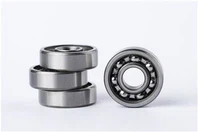
As a supplier of 608 Roller Bearings, I often encounter inquiries regarding the wear resistance of these essential components. Wear resistance is a crucial factor in determining the performance and longevity of a bearing, especially in high - stress and continuous - use applications. In this blog, we will delve into what wear resistance means for a 608 roller bearing, the factors that influence it, and how it impacts your operations.
Understanding Wear Resistance in 608 Roller Bearings
Wear resistance refers to a bearing's ability to withstand the gradual loss of material from its surfaces due to friction, abrasion, adhesion, or other forms of mechanical contact. For a 608 roller bearing, which is commonly used in various industries such as robotics, small motors, and precision instruments, maintaining high wear resistance is essential for ensuring smooth operation and minimizing downtime.
When a 608 roller bearing is in use, the rolling elements (rollers) and the raceways are constantly in contact with each other, as well as with the shaft and the housing. This contact generates friction, which can lead to wear over time. If the wear resistance of the bearing is poor, the rollers may start to lose their roundness, and the raceways may develop grooves or other surface irregularities. These changes can cause increased vibration, noise, and reduced efficiency, ultimately leading to premature bearing failure.
Factors Affecting the Wear Resistance of 608 Roller Bearings
Material Quality
The material used to manufacture the 608 roller bearing plays a significant role in its wear resistance. High - quality bearing steels, such as chrome steel (e.g., AISI 52100), are commonly used due to their excellent hardness, toughness, and resistance to wear. These steels are heat - treated to achieve the optimal combination of hardness and ductility, which helps the bearing withstand the stresses and strains of operation.
Some advanced materials, like ceramic, are also being used in the production of 608 Roller Bearing. Ceramic bearings offer superior wear resistance compared to steel bearings, as they are harder, more corrosion - resistant, and have a lower coefficient of friction. However, they are also more expensive, which may limit their use in some applications.
Surface Finish
The surface finish of the rollers and raceways is another important factor. A smooth surface finish reduces friction and wear by minimizing the contact area between the moving parts. Manufacturers use precision grinding and polishing techniques to achieve a high - quality surface finish on 608 roller bearings. This not only improves wear resistance but also enhances the overall performance of the bearing, such as reducing noise and vibration.
Lubrication
Proper lubrication is crucial for maintaining the wear resistance of a 608 roller bearing. Lubricants act as a barrier between the moving parts, reducing friction and preventing direct metal - to - metal contact. They also help to dissipate heat generated during operation and protect the bearing from corrosion.
There are various types of lubricants available, including grease and oil. Grease is a popular choice for many applications due to its ease of use and ability to stay in place. However, the type of grease used should be carefully selected based on factors such as operating temperature, speed, and load. Oil lubrication is often used in high - speed or high - temperature applications, as it provides better cooling and can handle higher loads.


Operating Conditions
The operating conditions of the 608 roller bearing can have a significant impact on its wear resistance. Factors such as load, speed, temperature, and the presence of contaminants can all affect how quickly the bearing wears. For example, if the bearing is subjected to excessive loads or high speeds, the stress on the rollers and raceways will increase, leading to accelerated wear.
Similarly, high operating temperatures can cause the lubricant to break down, reducing its effectiveness and increasing the risk of wear. Contaminants, such as dust, dirt, and metal particles, can also act as abrasives, causing premature wear of the bearing surfaces.
Measuring the Wear Resistance of 608 Roller Bearings
There are several methods for measuring the wear resistance of 608 roller bearings. One common method is to use a wear test machine, which simulates the operating conditions of the bearing and measures the amount of wear over a specific period. These tests can provide valuable information about the performance of the bearing under different loads, speeds, and lubrication conditions.
Another approach is to monitor the bearing during operation using sensors. For example, vibration sensors can detect changes in the vibration pattern of the bearing, which may indicate the onset of wear. Temperature sensors can also be used to monitor the operating temperature of the bearing, as an increase in temperature may be a sign of excessive friction and wear.
Importance of Wear Resistance in Different Applications
Robotics
In robotics, 608 roller bearings are used in joints and other moving parts. High wear resistance is essential to ensure the precision and reliability of the robot's movements. A bearing with poor wear resistance may cause the robot to lose its accuracy over time, leading to errors in its operations.
Small Motors
Small motors, such as those used in fans, pumps, and power tools, rely on 608 roller bearings to support the rotating shaft. Wear - resistant bearings help to reduce energy consumption by minimizing friction, and they also extend the lifespan of the motor, reducing maintenance costs.
Precision Instruments
Precision instruments, such as optical devices and measuring equipment, require bearings with high wear resistance to maintain their accuracy. Even a small amount of wear can cause significant errors in the measurements or performance of these instruments.
How Our 608 Roller Bearings Ensure High Wear Resistance
As a supplier of 608 Roller Bearing, we take several steps to ensure that our bearings have excellent wear resistance. First, we source high - quality materials from trusted suppliers and subject them to strict quality control measures. Our bearings are made from premium bearing steels that are heat - treated to the optimal hardness.
We also use advanced manufacturing processes to achieve a superior surface finish on the rollers and raceways. Our precision grinding and polishing techniques ensure that the bearing surfaces are smooth and free from defects, reducing friction and wear.
In addition, we offer a range of lubrication options to suit different applications. Our technical team can provide expert advice on the best lubricant to use based on your specific operating conditions.
Contact Us for Your 608 Roller Bearing Needs
If you are looking for reliable and wear - resistant 608 roller bearings, we are here to help. Our extensive range of Mini Roller Bearings and Micro Roller Bearings can meet the diverse needs of various industries. Whether you need a standard bearing or a custom - designed solution, our experienced team can assist you in finding the right product.
Feel free to reach out to us to discuss your requirements and start a procurement negotiation. We are committed to providing high - quality products, excellent customer service, and competitive prices.
References
- Harris, T. A., & Kotzalas, M. N. (2007). Rolling Bearing Analysis. Wiley.
- Schoeck, R. (2013). Handbook of Bearings. McGraw - Hill Professional.
- Gupta, P. K. (2006). Ball and Roller Bearing Engineering. CRC Press.