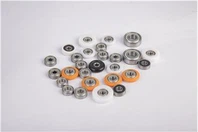
Small bearings are essential components in a wide range of industries, from automotive and aerospace to electronics and robotics. Understanding the temperature range within which these bearings can operate effectively is crucial for ensuring optimal performance, reliability, and longevity. As a leading supplier of small bearings, we have extensive knowledge and experience in this area. In this blog post, we'll explore the factors influencing the temperature range of small bearings, typical temperature ranges, and the implications of operating outside these ranges.
Factors Influencing the Temperature Range of Small Bearings
Lubrication
Lubrication is one of the most critical factors affecting the temperature range of small bearings. It reduces friction between the moving parts, dissipates heat, and protects against wear and corrosion. Different types of lubricants have different temperature limits. For example, mineral oil-based lubricants are commonly used in general applications and can typically operate within a temperature range of -20°C to 120°C. Synthetic lubricants, on the other hand, offer better performance at extreme temperatures and can operate from -40°C to 200°C or even higher in some cases.
Bearing Material
The material used to manufacture the bearing also plays a significant role in determining its temperature range. Most small bearings are made of high - quality steel, such as chrome steel or stainless steel. Chrome steel bearings are widely used due to their good hardness, wear resistance, and relatively low cost. They can generally operate within a temperature range of - 30°C to 120°C. Stainless steel bearings, which offer better corrosion resistance, can operate in a similar temperature range, but some specialized stainless steel alloys can withstand higher temperatures.
Load and Speed
The load and speed at which the bearing operates can generate heat. Higher loads and speeds result in more friction and heat generation, which can increase the operating temperature of the bearing. If a bearing is subjected to excessive loads or high - speed operation for an extended period, it may overheat, leading to premature wear, reduced performance, and even bearing failure. Therefore, when designing a system, it is necessary to select a bearing that can handle the expected load and speed without exceeding its temperature limits.


Environmental Conditions
The environment in which the bearing operates can also impact its temperature range. For example, in a dusty or dirty environment, the presence of contaminants can increase friction and heat generation. In a high - humidity environment, corrosion may occur, which can affect the bearing's performance and durability. Additionally, exposure to chemicals or solvents can damage the bearing material and lubricant, reducing the bearing's ability to operate within its normal temperature range.
Typical Temperature Ranges for Small Bearings
General - Purpose Small Bearings
For most general - purpose small bearings used in common industrial applications, the normal operating temperature range is between - 20°C and 80°C. In this temperature range, the bearing's lubricant can function effectively, and the bearing material can maintain its mechanical properties. For example, a Bearing 6001ZZ is a widely used small ball bearing. Under normal load and speed conditions, it can operate stably within this general temperature range.
High - Temperature Applications
In some high - temperature applications, such as in furnaces, ovens, or automotive engines, special bearings are required. These bearings are designed to withstand temperatures up to 200°C or higher. They are often made of heat - resistant materials and use high - temperature lubricants. For instance, some high - temperature small bearings can be used in the exhaust systems of vehicles, where the temperature can reach relatively high levels.
Low - Temperature Applications
In low - temperature environments, such as in refrigeration systems or arctic conditions, small bearings need to be able to operate at temperatures as low as - 40°C or even lower. Special low - temperature lubricants are used to ensure that the bearing can still rotate smoothly at these cold temperatures. A Bearing 6200 can be customized with appropriate low - temperature lubrication for such applications.
Specialized Applications
There are also some specialized applications that require bearings to operate within very narrow temperature ranges. For example, in precision instruments or electronic devices, even a small change in temperature can affect the accuracy and performance of the equipment. In these cases, the bearings need to be carefully selected and engineered to meet the specific temperature requirements.
Implications of Operating Outside the Temperature Range
Overheating
If a small bearing operates at a temperature higher than its recommended range, several problems can occur. The lubricant may break down, losing its ability to reduce friction and protect against wear. This can lead to increased friction, which in turn generates more heat, creating a vicious cycle. Over time, the bearing material may also lose its hardness and strength, resulting in deformation, cracking, or even seizure of the bearing.
Cold - Temperature Issues
Operating a bearing at a temperature lower than its recommended range can also cause problems. The lubricant may become too viscous, reducing its ability to flow and lubricate the bearing effectively. This can lead to increased friction and wear, as well as difficulty in starting the bearing. In extreme cases, the bearing material may become brittle at low temperatures, increasing the risk of fracture.
Selecting the Right Small Bearing for the Temperature Range
When selecting a small bearing for a specific application, it is essential to consider the expected temperature range. First, determine the operating temperature of the environment and the heat generated by the load and speed of the bearing. Then, choose a bearing material and lubricant that can withstand these temperatures.
For example, if the application requires a bearing to operate in a high - temperature environment, look for bearings made of heat - resistant materials and use high - temperature lubricants. If the application is in a low - temperature environment, select bearings with low - temperature lubricants.
As a supplier of small bearings, we offer a wide range of products suitable for different temperature ranges. Our 6901ZZ --Thin Section Bearings/Floor Sweeper Motor is designed to operate efficiently in various normal - temperature applications. We also have specialized bearings for high - and low - temperature environments.
Conclusion
Understanding the temperature range for small bearings to work is crucial for ensuring their proper performance and longevity. By considering factors such as lubrication, bearing material, load and speed, and environmental conditions, you can select the right bearing for your application. Operating a bearing within its recommended temperature range will help prevent premature wear, reduce the risk of failure, and ensure the smooth operation of your equipment.
If you are looking for high - quality small bearings for your specific temperature - related application, we are here to help. Our team of experts can provide you with professional advice and guidance on bearing selection. Contact us to start a procurement discussion and find the best bearing solutions for your needs.
References
- "Rolling Bearing Analysis" by Tedric A. Harris
- "Bearing Engineering Handbook" by SKF Group