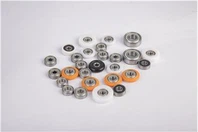
One way rollers are essential components in various industrial applications, offering unique functionality that allows for unidirectional motion. As a trusted supplier of one way rollers, I often receive inquiries regarding the price range of these products. In this blog post, I will delve into the factors that influence the price of one way rollers and provide an overview of the typical price ranges you can expect.
Factors Influencing the Price of One Way Rollers
1. Size and Dimensions
The size of a one way roller plays a significant role in determining its price. Larger rollers generally require more raw materials and more complex manufacturing processes, which can drive up the cost. For example, a small one way roller designed for light - duty applications may be more affordable compared to a large - scale roller used in heavy industrial machinery. The diameter, width, and overall dimensions of the roller need to be precisely manufactured to meet specific application requirements, and the precision machining involved in larger sizes adds to the cost.
2. Material Quality
The materials used in the construction of one way rollers have a direct impact on their price. High - quality materials such as premium steel alloys or specialized ceramics offer better durability, corrosion resistance, and performance. These materials can withstand extreme conditions, including high temperatures, heavy loads, and harsh chemicals. In contrast, rollers made from lower - grade materials are more budget - friendly but may have a shorter lifespan and reduced performance. For instance, a one way roller made from a high - carbon steel with advanced heat - treatment processes will be more expensive than one made from a basic mild steel.

3. Precision and Tolerance
Precision is crucial in the operation of one way rollers. Rollers with tight tolerances are manufactured to very exact specifications, ensuring smooth and reliable unidirectional motion. The production of such precise components requires advanced manufacturing equipment and highly skilled labor. As a result, one way rollers with high precision and low tolerances tend to be more expensive. In applications where accuracy is of utmost importance, such as in aerospace or high - end automotive systems, the cost of achieving the required precision is reflected in the price of the roller.
4. Brand and Reputation
Well - established brands in the bearing industry often command a premium price for their one way rollers. These brands have a reputation for quality, reliability, and excellent customer service. They invest heavily in research and development to continuously improve their products and ensure they meet or exceed industry standards. Customers are often willing to pay more for a product from a trusted brand because they have confidence in its performance and longevity. On the other hand, lesser - known brands may offer more competitively priced one way rollers, but there may be more uncertainty regarding the quality and reliability of these products.
5. Quantity of Purchase
The quantity of one way rollers you purchase can also affect the price. Generally, buying in bulk allows you to take advantage of economies of scale. Suppliers are often willing to offer discounted prices for large orders because it reduces their production and handling costs per unit. For example, if you need only a few one way rollers for a small - scale project, you may pay a higher unit price compared to purchasing a large quantity for a mass - production line.
Typical Price Ranges
1. Low - Cost One Way Rollers
For basic one way rollers with standard sizes, made from common materials, and with relatively loose tolerances, the price can range from a few dollars to around $20 per unit. These rollers are suitable for light - duty applications such as small appliances, simple conveyor systems, or DIY projects. They may not offer the same level of durability or performance as more expensive options but can be a cost - effective solution for non - critical applications.
2. Mid - Range One Way Rollers
Mid - range one way rollers are typically made from better - quality materials and offer improved precision and performance. They are suitable for a wide range of industrial applications, including general machinery, automotive accessories, and some medium - duty conveyor systems. The price of mid - range one way rollers usually falls between $20 and $100 per unit. These rollers strike a balance between cost and performance, making them a popular choice for many businesses.
3. High - End One Way Rollers
High - end one way rollers are designed for demanding applications that require the highest level of performance, durability, and precision. They are often made from premium materials, have extremely tight tolerances, and are manufactured by well - respected brands. These rollers are used in industries such as aerospace, high - performance automotive engines, and advanced manufacturing equipment. The price of high - end one way rollers can exceed $100 per unit and may go up significantly depending on the specific requirements of the application.
Specific Examples
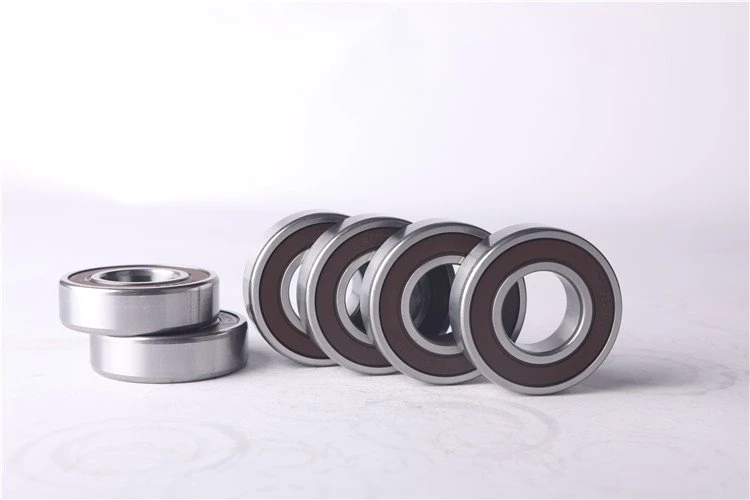
Let's take a look at some specific products to illustrate the price differences. The 6205 - ZZ is a type of one way ball bearing. Depending on the quality of the materials and the manufacturing precision, its price can vary. A basic version of this bearing may cost around $15 - $20, while a high - quality, precision - made 6205 - ZZ bearing can cost upwards of $50.
Our One Way Roller product line also offers a wide range of options. For small - sized, standard one way rollers used in light - duty applications, you can expect to pay around $5 - $10 per unit. However, for larger, high - performance one way rollers designed for heavy - duty industrial use, the price can be well over $100.
Conclusion
The price range of one way rollers can vary significantly depending on several factors, including size, material quality, precision, brand, and quantity of purchase. When considering the purchase of one way rollers, it is essential to evaluate your specific application requirements and budget. While it may be tempting to opt for the lowest - cost option, it is important to remember that investing in a higher - quality one way roller can lead to better performance, longer lifespan, and reduced maintenance costs in the long run.
If you are in the market for one way rollers and would like to discuss your specific needs, I encourage you to reach out to me. I can provide you with detailed product information, help you select the most suitable one way roller for your application, and offer competitive pricing based on your order quantity. Whether you are working on a small - scale project or a large - scale industrial operation, I am here to assist you in finding the right one way roller solution.
References
- Bearing Industry Handbook
- Manufacturer's product catalogs
- Industrial machinery design and engineering textbooks