What is the noise level of Mini Roller Bearings during operation?
Yo, I'm a supplier of Mini Roller Bearings. You might be wondering about the noise level of these tiny but mighty components during operation. Well, let's dig into it and find out what makes them tick... or rather, hum quietly.
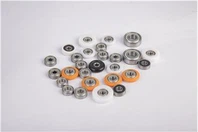
First off, what are Mini Roller Bearings? They're these small - sized bearings specifically designed for applications where space is at a premium. You can check out Mini Roller Bearings on our website to get a better look at what we offer. These bearings are used in a ton of different industries, from electronics to medical devices. And in many of these applications, the noise they produce is a big deal.
The noise level of Mini Roller Bearings during operation is influenced by several factors. One of the main things is the quality of the manufacturing process. If the bearings are made with high - precision techniques, they're likely to run more smoothly and quietly. For example, when the rollers are precisely machined to have a smooth surface finish, they'll roll over the raceways with less friction. This reduction in friction means less noise. Our company pays great attention to the manufacturing details to ensure that our Mini Roller Bearings are as quiet as possible.
Another factor is the lubrication. Good lubrication is crucial for reducing noise. It forms a thin film between the rollers and the raceways, which helps to minimize direct contact and wear. Different types of lubricants have different noise - reducing properties. For instance, synthetic lubricants often provide better noise reduction compared to mineral - based ones. We make sure to use high - quality lubricants in our Mini Roller Bearings to keep the noise down.
The operating conditions also play a huge role. The speed at which the bearing is running can have a significant impact on the noise level. Generally, as the speed increases, so does the noise. But if the bearing is properly designed and manufactured, it can handle higher speeds with less noise. Also, the load on the bearing matters. If the load is too high for the bearing's capacity, it can cause the rollers to deform slightly, leading to increased noise. That's why it's important to choose the right Mini Roller Bearing for your specific application.
Now, let's talk about some specific types of Mini Roller Bearings. We also offer Micro Roller Bearings. These are even smaller than the regular Mini Roller Bearings. Due to their small size, they often have lower noise levels because there's less mass in motion. However, they're also more sensitive to manufacturing imperfections and improper operating conditions.
Then there's the 608 Roller Bearing, which is a quite popular type of Mini Roller Bearing. It's used in a wide range of applications, from small electric motors to skateboards. The noise level of a 608 Roller Bearing depends on the same factors we've discussed earlier: manufacturing quality, lubrication, and operating conditions. A well - made 608 Roller Bearing from a reliable supplier should operate with a relatively low noise level.
Measuring the noise level of Mini Roller Bearings is important. There are special testing equipment and methods to do this. Usually, the noise is measured in decibels (dB). For most applications, a lower decibel reading means a quieter - running bearing. Engineers and technicians use these measurements to ensure that the bearings meet the required noise standards.
In real - world applications, the acceptable noise level of Mini Roller Bearings can vary widely. In some medical devices, a near - silent operation is a must, as any noise could be a distraction to the patient or interfere with the accuracy of the medical procedures. On the other hand, in industrial applications where there's already a lot of background noise, a slightly higher noise level from the bearings might be acceptable.
As a supplier, we're constantly working on improving the noise performance of our Mini Roller Bearings. We invest in research and development to find better manufacturing techniques, more effective lubricants, and optimal design solutions. Our goal is to provide our customers with bearings that not only perform well in terms of functionality but also operate quietly.
If you're looking for Mini Roller Bearings for your project, you need to consider the noise level seriously. It's not just about having a quiet - running system for comfort's sake; in many cases, it can directly impact the performance and reliability of your equipment. A noisy bearing could be a sign of impending failure due to excessive wear or improper operating conditions.
So, if you've got a project that requires Mini Roller Bearings, and you're concerned about the noise level, we're here to help. We can provide you with detailed information about the noise characteristics of our bearings, and help you choose the right ones for your specific needs. Whether you're in the electronics industry, medical field, or any other sector that uses Mini Roller Bearings, we've got the expertise and the products to meet your requirements.
Don't hesitate to reach out to us to start a conversation about your Mini Roller Bearing needs. We're ready to discuss your project, answer your questions, and provide you with the best solutions. Let's work together to make your equipment run as smoothly and quietly as possible.
References
[1] Machinery's Handbook, 31st Edition, Industrial Press Inc.
[2] Bearing Engineering Handbook, SKF Group.
[3] Tribology Handbook, Elsevier.