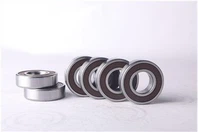
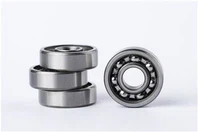
Hey there! As a supplier of Bearing 6311, I often get asked about the minimum operating temperature of this particular bearing. So, I thought I'd take the time to break it down for you in this blog post.
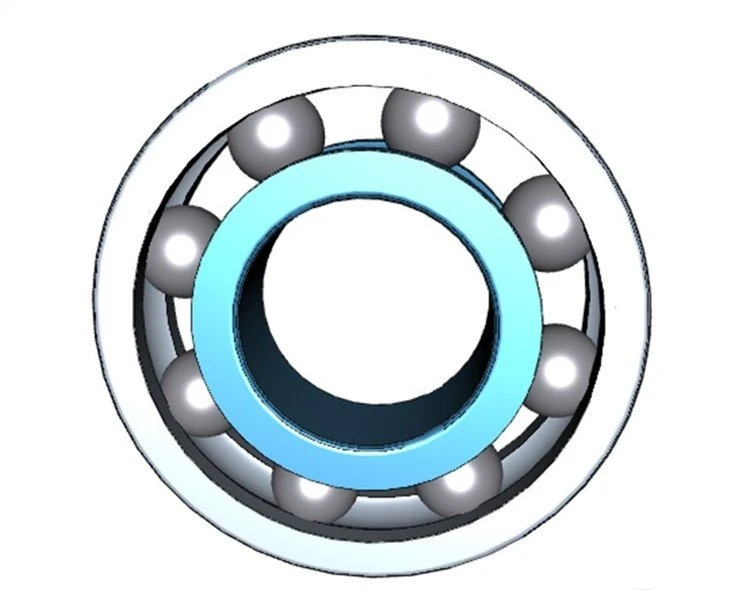
First off, let's talk a bit about Bearing 6311 itself. You can check out more details about Bearing 6311. It's a type of deep groove ball bearing, which is one of the most common and widely used bearings in the industry. These bearings are known for their high speed capabilities, low friction, and ability to handle both radial and axial loads.
Now, onto the main question - what's the minimum operating temperature of Bearing 6311? Well, the minimum operating temperature of a bearing like Bearing 6311 is typically around -30°C (-22°F). But it's important to note that this isn't a one - size - fits - all number. There are several factors that can influence the actual minimum temperature at which the bearing can operate effectively.
Factors Affecting the Minimum Operating Temperature
Lubrication
Lubrication plays a crucial role in the performance of a bearing, especially at low temperatures. The type of lubricant used in Bearing 6311 can have a big impact on its minimum operating temperature. For example, some greases are formulated to work well in cold environments. They have a low pour point, which means they remain fluid even at very low temperatures. If the lubricant thickens or freezes at a relatively high temperature, it can cause problems for the bearing. The increased viscosity of the lubricant can lead to higher friction, which in turn can cause excessive heat and premature wear of the bearing components.
Material Properties
The materials used in the construction of Bearing 6311 also matter. The steel used for the bearing rings and balls has specific properties that can affect its performance in cold conditions. At low temperatures, the steel can become more brittle. This means that it's more likely to crack or fail under stress. However, modern bearing steels are designed to have good toughness even at low temperatures. But still, extreme cold can push the limits of these materials.

Load Conditions
The load that the bearing is subjected to can also influence its minimum operating temperature. If the bearing is under a heavy load, the internal stresses are higher. At low temperatures, these increased stresses can be more of a problem due to the reduced ductility of the materials. For instance, a Bearing 6311 that is carrying a large radial load might have a higher minimum operating temperature than one that is under a light load.
Environmental Conditions
The environment in which the bearing operates can't be ignored. If the bearing is exposed to moisture, dirt, or chemicals, it can affect its performance at low temperatures. Moisture can freeze and cause ice to form inside the bearing, which can damage the components. Dirt and debris can get trapped in the bearing, increasing friction and wear. Chemicals can corrode the bearing surfaces, weakening the structure and reducing its ability to operate at low temperatures.
Testing and Standards
To determine the minimum operating temperature of Bearing 6311, manufacturers conduct a series of tests. These tests are designed to simulate real - world conditions as closely as possible. They test the bearing's performance at different temperatures, loads, and speeds. There are also international standards that govern the testing and performance of bearings. These standards ensure that bearings meet certain quality and performance criteria.
For example, the ISO (International Organization for Standardization) has standards related to bearing performance. These standards help in comparing different bearings and ensuring that they are suitable for specific applications. When it comes to low - temperature performance, the standards define the test methods and the acceptable performance levels.
Applications and Considerations
Bearing 6311 is used in a wide range of applications. Some of these applications might require the bearing to operate in cold environments. For example, in refrigeration systems, the bearings need to work at low temperatures. In automotive applications, especially in cold climates, the bearings in the engine and transmission also need to perform well in the cold.
If you're using Bearing 6311 in a cold environment, there are a few things you should keep in mind. First, make sure you choose the right lubricant. As I mentioned earlier, a lubricant with a low pour point is essential. Second, ensure that the bearing is properly installed and maintained. A poorly installed bearing can cause additional stress and reduce its performance, especially at low temperatures.
It's also a good idea to monitor the bearing's performance over time. You can use temperature sensors to keep an eye on the bearing's temperature. If you notice any unusual changes in temperature or performance, it could be a sign of a problem.
Conclusion
So, to sum it up, the minimum operating temperature of Bearing 6311 is around -30°C (-22°F), but this can vary depending on several factors such as lubrication, material properties, load conditions, and environmental factors. As a supplier of Bearing 6311, I'm here to help you make the right choices for your application. Whether you need advice on lubricants, or you're looking for a bearing that can handle extreme cold, I've got you covered.
If you're in the market for Bearing 6311 or have any questions about its performance in cold environments, don't hesitate to reach out. We can have a chat about your specific needs and find the best solution for you. Contact us to start the procurement process and let's work together to ensure your equipment runs smoothly, even in the coldest of conditions.
References
- "Bearing Handbook" by SKF
- ISO standards related to bearing performance
- Technical literature from bearing manufacturers