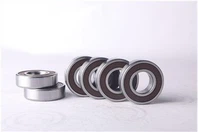
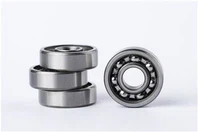
Hey there! As a supplier of Bearing 6001ZZ, I often get asked about the maximum radial displacement this little fella can handle. It's a question that's crucial for anyone looking to use these bearings in their projects, whether it's for industrial machinery, automotive applications, or even some DIY stuff. So, let's dive right in and explore this topic.
First off, let's understand what radial displacement is. In simple terms, radial displacement is the amount of movement a bearing can take in a direction perpendicular to its axis. Think of it as how much the bearing can "wobble" side - to - side without causing any major issues.

The Bearing 6001ZZ is a deep groove ball bearing, which is known for its versatility and ability to handle both radial and axial loads. But when it comes to radial displacement, there are a few factors that come into play.
Factors Affecting Radial Displacement
1. Bearing Design
The design of the Bearing 6001ZZ itself plays a huge role. Its internal geometry, the size and shape of the balls, and the raceway design all contribute to how much radial displacement it can tolerate. The deep groove design allows for some degree of misalignment and displacement, but there's a limit.
2. Load Conditions
The amount of load the bearing is subjected to also impacts its radial displacement tolerance. If the bearing is under a heavy radial load, it will have less capacity to handle additional displacement. For example, in a high - speed industrial machine where the Bearing 6001ZZ is supporting a heavy shaft, the allowable radial displacement will be lower compared to a light - load application like a small fan.
3. Lubrication
Proper lubrication is essential for the smooth operation of the bearing and can also affect its radial displacement tolerance. Good lubrication reduces friction and wear, allowing the bearing to handle a bit more displacement. On the other hand, poor lubrication can lead to increased friction, which in turn can cause premature wear and reduce the bearing's ability to tolerate displacement.
Determining the Maximum Radial Displacement
So, what's the maximum radial displacement that the Bearing 6001ZZ can actually tolerate? Well, it's not a one - size - fits - all answer. Generally, for a well - maintained Bearing 6001ZZ under normal operating conditions, the maximum radial displacement is in the range of a few hundredths of a millimeter.

However, to get a more accurate figure, you need to refer to the bearing manufacturer's specifications. These specs take into account all the factors mentioned above and provide a more precise value based on the specific design and intended use of the bearing.
If you're using the Bearing 6001ZZ in a critical application, it's also a good idea to consult with an engineer or a bearing expert. They can help you calculate the maximum radial displacement based on your specific load, speed, and environmental conditions.
Comparing with Other Bearings
It's always interesting to compare the Bearing 6001ZZ with other similar bearings. For example, the Bearing 6200 is another popular small - size ball bearing. While it has a similar design concept, its dimensions and load - carrying capacity are different, which also affects its radial displacement tolerance.
The 6901ZZ --Thin Section Bearings/Floor Sweeper Motor is a thin - section bearing. Its thin design gives it different characteristics compared to the Bearing 6001ZZ. Thin - section bearings are often used in applications where space is limited, and their radial displacement tolerance might be different due to their unique design.
And then there's the 688 ZZ - Ball Bearing 8mm16mm4mm. This is a smaller bearing, and its maximum radial displacement will be different from the Bearing 6001ZZ because of its size and the way it's designed to handle loads.
Importance of Staying within the Limit
It's really important to stay within the maximum radial displacement limit of the Bearing 6001ZZ. If you exceed this limit, it can lead to a whole bunch of problems. Excessive radial displacement can cause uneven wear on the bearing's balls and raceways, which can lead to noise, vibration, and eventually, bearing failure.
In an industrial setting, a bearing failure can mean costly downtime, repairs, and lost productivity. In a consumer product, it can lead to a shorter lifespan and a poor user experience. So, always make sure to calculate and respect the maximum radial displacement when using the Bearing 6001ZZ.

How We Can Help
As a supplier of Bearing 6001ZZ, I'm here to assist you in every step of your bearing selection process. Whether you're not sure about the maximum radial displacement for your application or you need help choosing the right bearing, I've got you covered.
I can provide you with detailed technical information about the Bearing 6001ZZ, including its specifications, load - carrying capacity, and recommended operating conditions. I can also offer advice on installation, maintenance, and lubrication to ensure that your bearings perform at their best and last as long as possible.
If you're interested in purchasing Bearing 6001ZZ or have any questions about our products, don't hesitate to reach out. We can have a chat about your specific needs and see how we can work together to find the perfect solution for your project.
References
- Bearing Manufacturer's Technical Documentation
- Machinery's Handbook, 31st Edition
- Engineering Tribology, Third Edition by Howard Czichos, Neil P. Collins, and Lothar S. Hoffmann