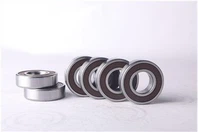
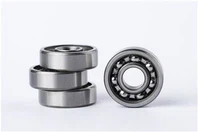
Hey there! As a supplier of Bearing 6311, I often get asked about the load capacity of this particular bearing. So, I thought I'd take the time to break it down for you in this blog post.
First off, let's talk a bit about what Bearing 6311 is. Bearing 6311 is a type of deep groove ball bearing. These bearings are widely used in various applications because they're pretty versatile and can handle both radial and axial loads to some extent.
Now, when it comes to load capacity, there are two main types we need to consider: radial load capacity and axial load capacity.
Radial Load Capacity
The radial load capacity of Bearing 6311 refers to the maximum amount of load that the bearing can handle in a direction perpendicular to the axis of rotation. This is super important because in most real - world applications, bearings are subjected to forces that act radially.
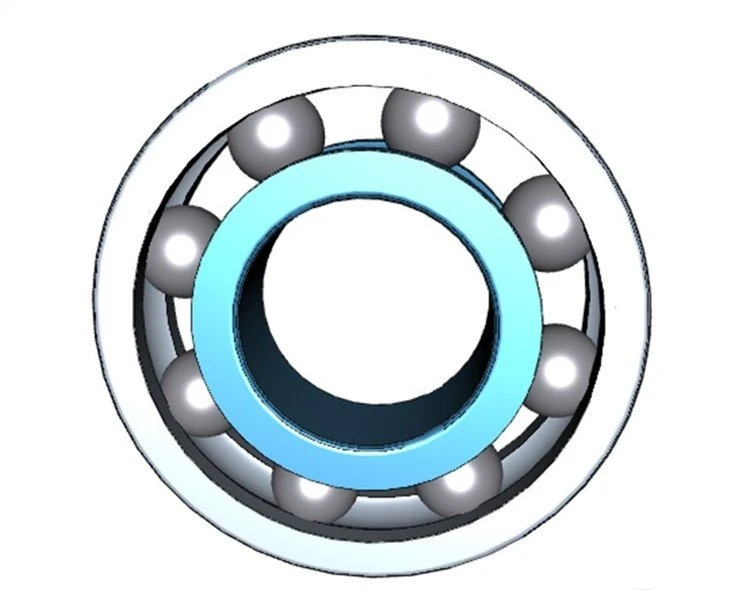
The radial load capacity of Bearing 6311 depends on several factors. One of the key factors is the internal design of the bearing. The 6311 bearing has a specific geometry of the raceways and the balls inside it. The balls are designed to roll smoothly along the raceways, distributing the load evenly. A well - designed raceway can handle a larger radial load without excessive wear or deformation.
Another factor is the material used. High - quality steel is typically used in the manufacturing of Bearing 6311. This steel has good mechanical properties, such as high hardness and toughness. Hardness helps the bearing resist wear, while toughness allows it to withstand shock loads. For example, if the bearing is used in a machine that experiences sudden jolts or vibrations, the tough material can prevent the bearing from cracking or failing.
In general, the basic dynamic radial load rating of Bearing 6311 is around 53.8 kN. This means that under normal operating conditions, with a certain level of reliability (usually 90%), the bearing can handle a radial load of up to 53.8 kN before it starts to show signs of fatigue. However, it's important to note that this is a theoretical value. In real - world scenarios, the actual load capacity might be affected by factors like the speed of rotation, the lubrication condition, and the alignment of the bearing.
Axial Load Capacity
The axial load capacity of Bearing 6311 is the maximum load that the bearing can handle in the direction parallel to the axis of rotation. While deep groove ball bearings like 6311 are not primarily designed for high axial loads, they can still handle some amount of axial force.
The axial load capacity of Bearing 6311 is relatively lower compared to its radial load capacity. This is because the design of the bearing is more optimized for radial loads. The balls and raceways are arranged in a way that provides better support for radial forces. However, in some applications where there is a small amount of axial thrust, the 6311 bearing can still work effectively.
The axial load capacity also depends on the internal clearance of the bearing. If the internal clearance is too large, the bearing might not be able to handle axial loads as well. On the other hand, if the clearance is too small, it can lead to increased friction and heat generation, which can also reduce the bearing's performance.
Typically, the basic static axial load rating of Bearing 6311 is around 29.5 kN. This value represents the maximum static axial load that the bearing can withstand without causing permanent deformation of the raceways or the balls.
Factors Affecting Load Capacity in Real - World Use
As I mentioned earlier, the theoretical load capacity values are just a starting point. In real - world applications, there are several factors that can significantly affect how much load Bearing 6311 can actually handle.
Speed of Rotation
The speed at which the bearing rotates plays a crucial role. At high speeds, the centrifugal force acting on the balls increases. This can cause the balls to move away from the center of the bearing, changing the load distribution. Additionally, high - speed rotation generates more heat due to friction between the balls and the raceways. Excessive heat can reduce the hardness of the bearing material, which in turn decreases its load - carrying capacity.

Lubrication
Proper lubrication is essential for maintaining the load capacity of Bearing 6311. Lubricant forms a thin film between the balls and the raceways, reducing friction and wear. It also helps to dissipate heat. If the lubrication is inadequate, the friction will increase, leading to premature wear and a decrease in the bearing's ability to handle loads. Different types of lubricants are suitable for different operating conditions. For example, in high - temperature applications, a lubricant with good thermal stability is required.
Alignment
If the bearing is not properly aligned, the load will not be distributed evenly across the raceways and the balls. This can cause some parts of the bearing to experience higher loads than others, leading to uneven wear and a reduced load capacity. Misalignment can occur during the installation process or due to external factors such as machine vibrations or structural deformations.
Why Choose Our Bearing 6311?
As a supplier, we take pride in offering high - quality Bearing 6311. Our bearings are manufactured using the latest technology and strict quality control measures. We ensure that each bearing meets or exceeds the industry standards in terms of load capacity and performance.
We source the best materials for our bearings, which guarantees their durability and reliability. Our team of experts is always on hand to provide technical support and advice. Whether you're unsure about the load requirements for your application or need help with installation and maintenance, we're here to assist you.
If you're in the market for Bearing 6311, don't hesitate to get in touch with us. We can offer you competitive prices and fast delivery times. Our goal is to provide you with the best - quality bearings that will meet your specific needs and keep your machinery running smoothly.
In conclusion, understanding the load capacity of Bearing 6311 is crucial for choosing the right bearing for your application. By considering factors like radial and axial load capacity, as well as real - world factors that can affect performance, you can make an informed decision. And if you need a reliable supplier for Bearing 6311, we're here to help. So, reach out to us for all your bearing needs!
References
- Bearing Industry Handbook
- Technical specifications of Bearing 6311 from leading manufacturers