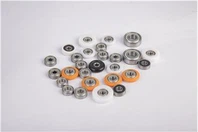
Hey there! As a supplier of Bearing 6200, I often get asked about the installation torque for this specific bearing. So, let's dig into this topic and break it down.
First off, what's Bearing 6200? Well, it's a type of small ball bearing that's widely used in various applications. You can find more details about it on our website, Bearing 6200. It belongs to the family of Small Bearings, which are known for their compact size and reliable performance.
Now, let's talk about installation torque. Installation torque is super important when it comes to fitting bearings correctly. If the torque is too low, the bearing might not be properly seated, which can lead to problems like vibration, noise, and even premature failure. On the other hand, if the torque is too high, it can cause damage to the bearing, such as deformed races or cracked cages.
The installation torque for Bearing 6200 isn't a one - size - fits - all number. It depends on several factors. One of the main factors is the shaft and housing materials. For example, if you're using a steel shaft and an aluminum housing, the torque values will be different compared to a setup with a stainless - steel shaft and a cast - iron housing.
Another factor is the surface finish of the shaft and the housing bore. A rough surface can increase the friction during installation, which means you might need to adjust the torque accordingly. A smooth surface, on the other hand, reduces friction and may require a lower torque.
The type of interference fit also plays a crucial role. An interference fit is when the outer diameter of the shaft is slightly larger than the inner diameter of the bearing, or the inner diameter of the housing bore is slightly smaller than the outer diameter of the bearing. There are different levels of interference, and each level will have an impact on the installation torque.
Typically, for a standard Bearing 6200 with a normal interference fit on a steel shaft and a steel housing, the installation torque can range from around 2 - 5 Nm. But this is just a ballpark figure. You really need to refer to the manufacturer's guidelines for the most accurate values.
Let's take a look at an example. Suppose you're installing Bearing 6200 on a small electric motor shaft. The shaft is made of mild steel, and the housing is also steel. You've measured the interference fit to be within the recommended range. In this case, you'd start by applying a torque of around 2 Nm and then gradually increase it while monitoring the bearing's seating. You can use a torque wrench to ensure accurate torque application.
It's also important to note that the installation process itself matters. You should always use proper tools and techniques. For instance, using a bearing heater to warm up the bearing before installation can make the process smoother and reduce the required torque.


Now, if you're comparing Bearing 6200 with other small bearings, like Bearing 6001ZZ, the installation torque will be different. Bearing 6001ZZ is smaller in size, so the torque values will generally be lower. But again, it all comes down to the specific application and the factors we've discussed earlier.
When you're installing Bearing 6200, make sure to clean the shaft and the housing bore thoroughly. Any dirt or debris can affect the fit and the torque requirements. Also, apply a thin layer of lubricant to the shaft and the inner bore of the bearing. This not only reduces friction but also helps in preventing corrosion.
In some cases, you might need to perform a pre - load on the bearing. Pre - loading is applying an axial load to the bearing to eliminate internal clearance. This can improve the bearing's stiffness and accuracy, but it also affects the installation torque. You need to be very careful when pre - loading, as over - pre - loading can cause excessive heat generation and premature wear.
As a supplier, I've seen a lot of customers make mistakes when it comes to installation torque. Some try to use a torque value they found online without considering the specific details of their application. Others don't use the right tools, which leads to inaccurate torque application. That's why I always recommend working closely with the manufacturer or getting professional advice if you're unsure.
If you're in the market for Bearing 6200 or have questions about its installation torque, don't hesitate to reach out. We're here to help you ensure that your bearings are installed correctly and perform at their best. Whether you're a small - scale DIY enthusiast or a large - scale industrial user, we can provide you with the right information and products.
So, if you're thinking about a new project that requires Bearing 6200, start by understanding the installation torque requirements. It'll save you a lot of headaches in the long run. And remember, proper installation is the key to getting the most out of your bearings.
In conclusion, the installation torque for Bearing 6200 is a complex but important aspect of its installation. By considering factors like shaft and housing materials, interference fit, and surface finish, you can determine the right torque values. If you need more detailed information or have any questions, feel free to get in touch with us. We're eager to assist you in your bearing - related needs.
References:
- Manufacturer's guidelines for Bearing 6200
- Industry standards for small ball bearing installation