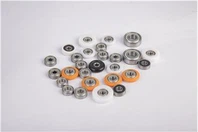
Carbon bearings are a remarkable innovation in the field of mechanical engineering, offering a unique set of properties that make them highly sought after in various industries. As a supplier of carbon bearings, I often receive inquiries about the friction coefficient of these bearings. In this blog post, I will delve into the concept of the friction coefficient of carbon bearings, exploring its significance, influencing factors, and practical implications.
Understanding the Friction Coefficient
The friction coefficient is a fundamental parameter that describes the interaction between two surfaces in contact and measures the resistance to relative motion between them. It is defined as the ratio of the force of friction between two surfaces to the normal force pressing the surfaces together. In the context of bearings, the friction coefficient plays a crucial role in determining the efficiency, performance, and durability of the bearing system.
A low friction coefficient is generally desirable in bearings as it reduces the amount of energy lost as heat during operation, leading to improved efficiency and reduced wear. This, in turn, translates into longer service life, lower maintenance costs, and enhanced overall performance of the machinery or equipment in which the bearings are installed.
Friction Coefficient of Carbon Bearings
Carbon bearings are known for their excellent self - lubricating properties, which contribute to a relatively low friction coefficient. The carbon material used in these bearings has a unique atomic structure that allows it to form a thin, lubricating film on the bearing surfaces during operation. This film reduces the direct contact between the moving parts, minimizing friction and wear.
The friction coefficient of carbon bearings can vary depending on several factors, including the type of carbon material, the surface finish of the bearing, the operating conditions (such as temperature, load, and speed), and the presence of any lubricants or contaminants.
- Type of Carbon Material: Different types of carbon materials, such as graphite, carbon - fiber composites, and glassy carbon, have different friction characteristics. Graphite, for example, is a well - known solid lubricant and has a relatively low friction coefficient. Carbon - fiber composites can offer enhanced mechanical properties while maintaining good lubricity, and glassy carbon has unique chemical and mechanical stability that can also influence the friction behavior.
- Surface Finish: A smooth surface finish on carbon bearings can reduce the friction coefficient. During the manufacturing process, precise machining and polishing techniques are used to achieve the desired surface roughness. A smoother surface reduces the asperity contacts between the bearing surfaces, resulting in lower frictional forces.
- Operating Conditions:
- Temperature: An increase in temperature can affect the friction coefficient of carbon bearings. At higher temperatures, the lubricating properties of the carbon material may change. In some cases, the carbon may oxidize, which can either increase or decrease the friction depending on the extent of oxidation and the formation of new surface compounds.
- Load: Higher loads can increase the friction coefficient as the contact pressure between the bearing surfaces increases. However, carbon bearings are often designed to withstand high loads, and their self - lubricating properties can help to mitigate the increase in friction to some extent.
- Speed: The operating speed also influences the friction coefficient. At low speeds, the lubricating film may not be fully formed, resulting in higher friction. As the speed increases, the lubricating film becomes more stable, and the friction coefficient may decrease. However, at very high speeds, other factors such as heat generation and hydrodynamic effects may come into play, affecting the friction behavior.
Comparison with Other Bearing Types
When compared to traditional metal bearings, carbon bearings generally have a lower friction coefficient. Metal bearings often require external lubricants, such as oil or grease, to reduce friction and wear. In contrast, carbon bearings can operate without external lubrication in many applications, which simplifies the design and maintenance of the bearing system.
For example, One Way Roller bearings, which are commonly used in automotive and industrial applications, may rely on external lubricants to function properly. If these lubricants break down or become contaminated, the friction coefficient can increase significantly, leading to premature wear and failure. Carbon bearings, with their self - lubricating properties, are less susceptible to such issues.
Similarly, Small Plastic Roller Wheels may have higher friction coefficients compared to carbon bearings, especially under high - load or high - speed conditions. Plastic materials may also have limited temperature and chemical resistance, which can further affect their friction performance.
Practical Applications
The low friction coefficient of carbon bearings makes them suitable for a wide range of applications.


- Aerospace Industry: In aerospace applications, where weight, efficiency, and reliability are critical, carbon bearings are used in various components such as actuators, control systems, and engine parts. The low friction coefficient reduces the energy consumption of these components, improving the overall fuel efficiency of the aircraft.
- Medical Equipment: Carbon bearings are used in medical devices such as surgical tools and diagnostic equipment. Their self - lubricating properties and low friction coefficient ensure smooth operation, reducing the risk of damage to delicate tissues during surgical procedures and providing accurate and reliable performance in diagnostic tests.
- Food and Beverage Industry: In the food and beverage industry, where hygiene is of utmost importance, carbon bearings are a preferred choice. They can operate without the need for external lubricants, which eliminates the risk of contamination. The low friction coefficient also ensures smooth operation of conveyor systems and processing equipment.
Impact on Product Performance
The low friction coefficient of carbon bearings has a direct impact on the performance of the products in which they are used.
- Energy Efficiency: As mentioned earlier, a low friction coefficient means less energy is lost as heat during operation. This results in reduced power consumption, which is especially important in applications where energy efficiency is a key consideration, such as electric motors and renewable energy systems.
- Noise and Vibration Reduction: Lower friction also reduces the noise and vibration generated by the bearing system. This is beneficial in applications where quiet operation is required, such as in home appliances and office equipment.
- Extended Service Life: Reduced friction means less wear on the bearing surfaces, which extends the service life of the bearings. This reduces the frequency of bearing replacements, resulting in lower maintenance costs and less downtime for the equipment.
Influence of Surface Treatments on Friction Coefficient
Surface treatments can be applied to carbon bearings to further optimize their friction coefficient. For example, coating the carbon surface with a thin layer of a low - friction material can reduce the asperity contacts and enhance the lubricating properties. Some surface treatments can also improve the chemical stability of the carbon bearing, protecting it from oxidation and other environmental factors that could affect the friction coefficient.
Importance of Accurate Friction Coefficient Measurement
Accurately measuring the friction coefficient of carbon bearings is essential for product development and quality control. Various techniques are used to measure the friction coefficient, such as the pin - on - disk method and the thrust washer test. These tests simulate the actual operating conditions of the bearings and provide reliable data on the friction behavior.
By accurately measuring the friction coefficient, we can ensure that our carbon bearings meet the performance requirements of our customers. It also allows us to optimize the manufacturing process, select the most suitable materials, and develop new products with improved friction characteristics.
Contact for Purchase and Consultation
If you are interested in our carbon bearings and would like to learn more about their friction coefficient, performance, or suitability for your specific application, please feel free to contact us. We have a team of experts who can provide detailed technical information and assist you in selecting the right carbon bearings for your needs. Whether you are in the aerospace, medical, food and beverage, or any other industry, we are committed to providing high - quality carbon bearings with excellent friction performance.
References
- Bhushan, B. (2013). Tribology and Mechanics of Magnetic Storage Devices. Springer Science & Business Media.
- Dowson, D. (1998). History of Tribology. Professional Engineering Publishing.
- Ludema, K. C. (1996). Friction, Wear, Lubrication: A Textbook in Tribology. CRC Press.