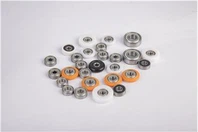
As a supplier of U Type Groove Pulleys, I often get asked about the corrosion resistance of these essential components. Corrosion resistance is a critical factor that can significantly impact the performance, longevity, and reliability of U Type Groove Pulleys in various applications. In this blog post, I'll delve into what corrosion resistance means for U Type Groove Pulleys, the factors affecting it, and how we ensure our products offer optimal protection against corrosion.
Understanding Corrosion Resistance
Corrosion is a natural process that occurs when metals react with their environment, typically oxygen, water, or other chemicals. This reaction leads to the deterioration of the metal, which can cause structural damage, reduced functionality, and ultimately, failure of the component. For U Type Groove Pulleys, corrosion can lead to issues such as rough surfaces, increased friction, and even breakage, which can disrupt operations and lead to costly downtime.
Corrosion resistance, therefore, refers to a material's ability to withstand these corrosive processes and maintain its integrity over time. A pulley with high corrosion resistance will be less likely to rust, corrode, or degrade, ensuring smooth operation and a longer service life.
Factors Affecting Corrosion Resistance of U Type Groove Pulleys
Several factors can influence the corrosion resistance of U Type Groove Pulleys. Understanding these factors is crucial for selecting the right materials and manufacturing processes to ensure optimal performance.
Material Selection
The choice of material is one of the most important factors in determining the corrosion resistance of a U Type Groove Pulley. Different metals have varying levels of resistance to corrosion. For example, stainless steel is known for its excellent corrosion resistance due to the presence of chromium, which forms a protective oxide layer on the surface of the metal. This layer prevents oxygen and moisture from reaching the underlying metal, reducing the risk of corrosion.
Aluminum is another popular choice for U Type Groove Pulleys. It is lightweight and has good corrosion resistance, especially when it forms a natural oxide layer on its surface. However, in more aggressive environments, additional surface treatments may be required to enhance its corrosion resistance.


Surface Treatments
Surface treatments can significantly improve the corrosion resistance of U Type Groove Pulleys. These treatments create a barrier between the metal and the environment, preventing corrosive agents from coming into contact with the surface. Common surface treatments include galvanizing, which involves coating the pulley with a layer of zinc, and powder coating, which applies a protective polymer layer to the surface.
Galvanizing provides excellent corrosion protection, especially in outdoor or high-moisture environments. The zinc coating acts as a sacrificial anode, corroding before the underlying metal. Powder coating, on the other hand, offers a durable and aesthetically pleasing finish that can also resist corrosion.
Environmental Conditions
The environment in which the U Type Groove Pulley operates plays a significant role in its corrosion resistance. Pulleys used in harsh environments, such as marine or chemical processing plants, are exposed to more corrosive agents and are therefore at a higher risk of corrosion. In these environments, it is essential to choose materials and surface treatments that can withstand the specific corrosive conditions.
For example, in a marine environment, where saltwater is present, stainless steel pulleys with a high chromium and nickel content are often recommended. These materials can resist the corrosive effects of saltwater better than other metals.
Our Approach to Ensuring Corrosion Resistance
As a supplier of U Type Groove Pulleys, we take several steps to ensure that our products offer excellent corrosion resistance.
High-Quality Materials
We carefully select the materials for our U Type Groove Pulleys based on their corrosion resistance properties. We primarily use stainless steel and aluminum, which are known for their durability and resistance to corrosion. Our stainless steel pulleys are made from high-grade alloys that contain a sufficient amount of chromium and nickel to provide long-lasting protection against rust and corrosion.
Advanced Surface Treatments
In addition to using high-quality materials, we also apply advanced surface treatments to enhance the corrosion resistance of our pulleys. Our galvanizing process ensures a uniform and thick zinc coating that provides excellent protection against corrosion. We also offer powder coating options in a variety of colors, which not only improve the appearance of the pulleys but also provide an additional layer of protection.
Quality Control
We have a rigorous quality control process in place to ensure that our U Type Groove Pulleys meet the highest standards of corrosion resistance. Each pulley undergoes thorough testing before it leaves our facility to ensure that it can withstand the specified environmental conditions. We use advanced testing methods, such as salt spray testing, to simulate harsh environments and evaluate the performance of our pulleys.
Applications and Corrosion Resistance
U Type Groove Pulleys are used in a wide range of applications, each with its own unique corrosion challenges. Here are some common applications and how corrosion resistance is important in each case.
Industrial Applications
In industrial settings, U Type Groove Pulleys are often used in conveyor systems, machinery, and equipment. These pulleys are exposed to various contaminants, such as dust, dirt, and chemicals, which can accelerate corrosion. By using pulleys with high corrosion resistance, industrial facilities can reduce maintenance costs, improve equipment reliability, and ensure smooth operation. For more information on industrial applications, you can check out our Industrial Roller Bearings.
Sliding Gate Systems
Sliding gates rely on U Type Groove Pulleys to operate smoothly. These pulleys are often installed outdoors, where they are exposed to the elements, including rain, snow, and sunlight. Corrosion can cause the pulleys to become stuck or damaged, making it difficult to open and close the gate. Our Sliding Gate Roller Bearings are designed to withstand these harsh conditions and provide long-lasting performance.
Garage Door Systems
Garage doors also use U Type Groove Pulleys to support the movement of the door. These pulleys are exposed to moisture, temperature changes, and dirt, which can lead to corrosion. Using pulleys with good corrosion resistance can prevent premature wear and failure, ensuring that your garage door operates smoothly for years to come. Check out our 6200zz Garage Door Rollers for high-quality options.
Contact Us for Your U Type Groove Pulley Needs
If you're in the market for U Type Groove Pulleys with excellent corrosion resistance, we're here to help. Our team of experts can provide you with detailed information about our products, recommend the best solutions for your specific application, and answer any questions you may have. Whether you need a small quantity for a DIY project or a large order for an industrial application, we can meet your requirements.
Don't let corrosion compromise the performance of your equipment. Contact us today to discuss your U Type Groove Pulley needs and start your procurement process. We look forward to working with you!
References
- ASM Handbook, Volume 13A: Corrosion: Fundamentals, Testing, and Protection
- Metals Handbook: Properties and Selection: Irons, Steels, and High-Performance Alloys
- Corrosion Engineering Handbook, Fourth Edition by Pierre R. Roberge