Hey there! As a supplier of Bearing 6311, I often get asked about the cage material of this particular bearing. So, I thought I'd write this blog to share some insights on what the cage material of Bearing 6311 is and why it matters.
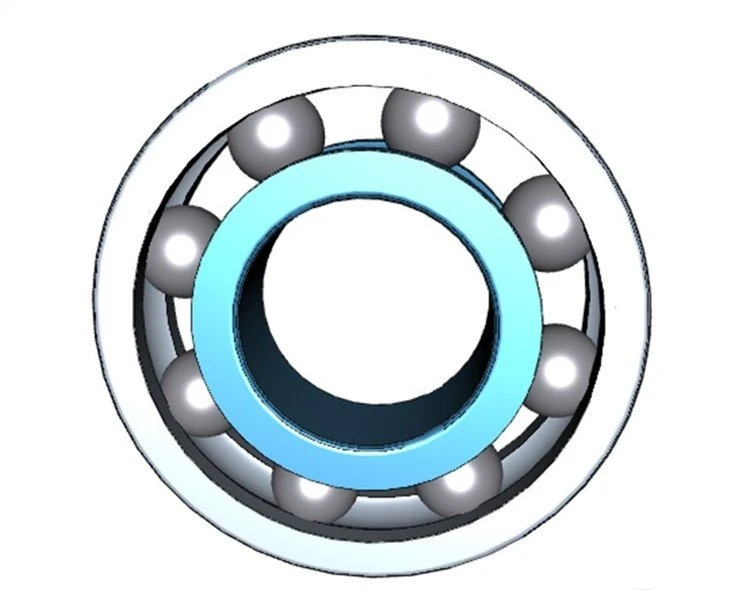
First off, let's talk a bit about Bearing 6311 itself. Bearing 6311 is a type of deep groove ball bearing. These bearings are widely used in various applications due to their high speed capabilities, low friction, and ability to handle both radial and axial loads. They're found in everything from electric motors to industrial machinery.
Now, onto the cage material. The cage, also known as the retainer, plays a crucial role in the bearing's performance. Its main job is to keep the rolling elements (in this case, the balls) evenly spaced and guide them as they rotate. This helps to reduce friction, prevent the balls from colliding with each other, and ensure smooth operation of the bearing.
There are several types of cage materials that can be used for Bearing 6311, and each has its own set of advantages and disadvantages.
1. Steel Cages
Steel is one of the most commonly used cage materials for Bearing 6311. It's strong, durable, and can withstand high temperatures and heavy loads. Steel cages are typically made from low - carbon steel or stainless steel.
Low - carbon steel cages are cost - effective and offer good mechanical properties. They're suitable for most general - purpose applications where the operating conditions are not too extreme. However, they may be prone to corrosion if used in environments with high humidity or exposure to chemicals.
Stainless steel cages, on the other hand, are highly resistant to corrosion. They're a great choice for applications in harsh environments, such as food processing, marine, or chemical industries. The corrosion resistance of stainless steel ensures a longer service life of the bearing, even in the presence of moisture or corrosive substances.
2. Brass Cages
Brass cages are another popular option for Bearing 6311. Brass has excellent machinability, which means it can be easily formed into the complex shapes required for the cage. It also has good wear resistance and self - lubricating properties.
The self - lubricating nature of brass helps to reduce friction between the cage and the balls, which can improve the overall efficiency of the bearing. Brass cages are often used in applications where high - speed operation is required, as they can handle the centrifugal forces generated at high speeds better than some other materials.
However, brass cages are more expensive than steel cages, and they may not be as strong as steel in high - load applications. So, the choice between brass and steel cages depends on the specific requirements of the application, such as speed, load, and environmental conditions.
3. Polyamide Cages
Polyamide, also known as nylon, is a synthetic polymer that is increasingly being used as a cage material for Bearing 6311. Polyamide cages are lightweight, which reduces the overall weight of the bearing and can lead to energy savings in some applications.
They have good chemical resistance and can operate in a wide range of temperatures. Polyamide cages are also self - lubricating to some extent, which helps to reduce friction and wear. They're a great choice for applications where noise reduction is important, as they can dampen vibrations and reduce the noise generated by the bearing.
One of the limitations of polyamide cages is that they may not be suitable for very high - temperature applications. At elevated temperatures, polyamide can soften and lose its mechanical properties, which can affect the performance of the bearing.
Why the Cage Material Matters
The choice of cage material can have a significant impact on the performance and service life of Bearing 6311. A wrong choice of cage material can lead to premature failure of the bearing, increased maintenance costs, and even downtime in industrial applications.
For example, if a steel cage is used in a corrosive environment without proper protection, it may corrode over time. This can cause the cage to lose its shape and function, leading to uneven ball spacing and increased friction. Eventually, this can result in bearing failure.
On the other hand, using a polyamide cage in a high - temperature application may cause the cage to deform, which can also lead to bearing failure. So, it's crucial to select the right cage material based on the specific operating conditions of the application.
How We Can Help
As a supplier of Bearing 6311, we understand the importance of choosing the right cage material. We have a team of experts who can help you select the most suitable cage material for your specific application. Whether you need a steel cage for a heavy - duty industrial application, a brass cage for high - speed operation, or a polyamide cage for noise reduction, we've got you covered.

We source our bearings from top - quality manufacturers and ensure that they meet the highest industry standards. Our bearings are rigorously tested to ensure their performance and reliability. If you're in the market for Bearing 6311 and need advice on the cage material or have any other questions, don't hesitate to reach out to us. We're here to help you make the best choice for your application.
If you're interested in purchasing Bearing 6311 or want to discuss your requirements further, feel free to get in touch. We're always happy to have a chat about how we can meet your bearing needs.
References
- "Bearing Handbook" - A comprehensive guide on bearings and their materials.
- Industry reports on bearing manufacturing and applications.