Can sealed Big Ball Bearings be relubricated?
As a supplier of Big Ball Bearings, I often encounter questions from customers regarding the maintenance and relubrication of sealed big ball bearings. This is a crucial topic as proper lubrication directly impacts the performance, lifespan, and efficiency of these bearings. In this blog, I will delve into the possibility of relubricating sealed big ball bearings, the factors to consider, and the best practices if it is feasible.
Understanding Sealed Big Ball Bearings
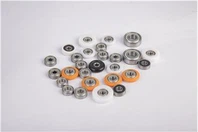
Sealed big ball bearings are designed to keep contaminants out and retain the lubricant inside. They come with either contact or non - contact seals. Contact seals provide a more effective barrier against dirt and moisture but may generate more friction. Non - contact seals, on the other hand, have less friction but offer a relatively lower level of protection.
The initial lubrication in these bearings is carefully selected based on the application requirements, such as load capacity, speed, and operating temperature. The seal is intended to ensure that this lubricant remains in place for an extended period, reducing the need for frequent maintenance.
The Feasibility of Relubrication
The question of whether sealed big ball bearings can be relubricated is not a straightforward one. In some cases, it is possible, while in others, it may not be recommended.
When Relubrication is Possible
- Design Considerations: Some sealed big ball bearings are designed with relubrication features. These may include special grease fittings or ports that allow for the introduction of new lubricant without compromising the integrity of the seal. For example, certain industrial - grade bearings used in heavy - duty applications often have provisions for relubrication to extend their service life under harsh conditions.
- Lubricant Degradation: Over time, the lubricant in a sealed bearing can degrade due to factors such as high temperatures, heavy loads, or the presence of contaminants. If the bearing is still in good mechanical condition but the lubricant has lost its effectiveness, relubrication can be a viable option. This can help restore the bearing's performance and prevent premature wear.
When Relubrication is Not Recommended
- Seal Integrity: If the seal of the bearing is damaged or compromised, attempting to relubricate it may introduce more contaminants into the bearing. This can lead to accelerated wear and failure. In such cases, it is usually better to replace the bearing rather than trying to relubricate it.
- Manufacturer's Recommendations: Some bearing manufacturers explicitly state that their sealed bearings are not intended to be relubricated. This is often the case for bearings used in applications where a specific type of lubricant is required, and any deviation from the original lubrication can affect the bearing's performance.
Factors to Consider Before Relubricating
Before attempting to relubricate a sealed big ball bearing, several factors need to be carefully considered:
Lubricant Compatibility
It is essential to use a lubricant that is compatible with the original lubricant in the bearing. Mixing incompatible lubricants can cause chemical reactions, leading to the formation of sludge or other deposits that can damage the bearing. Always refer to the manufacturer's specifications or consult with a lubrication expert to ensure compatibility.
Operating Conditions
The operating conditions of the bearing, such as temperature, speed, and load, play a significant role in determining the type and amount of lubricant required. For example, bearings operating at high temperatures may require a high - temperature - resistant lubricant, while those in high - speed applications may need a lubricant with low viscosity to reduce friction.


Bearing Type and Size
Different types and sizes of big ball bearings have different lubrication requirements. Larger bearings may require more lubricant, and the method of relubrication may also vary. For instance, a large - diameter bearing used in a mining equipment may need a different relubrication approach compared to a smaller bearing used in a precision machinery.
Best Practices for Relubricating Sealed Big Ball Bearings
If it is determined that relubrication is possible and appropriate, the following best practices should be followed:
Cleanliness
Before relubricating, the bearing and its surrounding area should be thoroughly cleaned to remove any dirt, debris, or old lubricant. This can be done using a suitable cleaning agent and a clean cloth or brush. It is important to ensure that no contaminants are introduced into the bearing during the cleaning process.
Proper Lubrication Method
Use the correct method for introducing the new lubricant. If the bearing has a grease fitting, a grease gun can be used to inject the lubricant. Make sure to follow the manufacturer's instructions regarding the amount of lubricant to be added. Over - lubrication can be just as harmful as under - lubrication, as it can cause excessive heat generation and seal damage.
Monitoring
After relubricating, it is important to monitor the bearing's performance closely. Check for any signs of abnormal noise, vibration, or temperature increase. If any issues are detected, it may be necessary to re - evaluate the relubrication process or consider other solutions.
The Role of High - Quality Big Ball Bearings
As a supplier of Big Ball Bearings, I understand the importance of providing high - quality products. Our Track Bearing Roller is designed to meet the most demanding industrial applications. These bearings are manufactured using advanced technology and high - quality materials to ensure long - lasting performance and reliability.
When it comes to relubrication, our bearings are engineered with user - friendly features that make the process as straightforward as possible. Whether you are using our bearings in a construction equipment, a mining operation, or a manufacturing plant, you can trust that our products will deliver exceptional results.
Conclusion
In conclusion, the question of whether sealed big ball bearings can be relubricated depends on various factors, including the bearing design, lubricant condition, and manufacturer's recommendations. While relubrication can be a cost - effective way to extend the life of a bearing in some cases, it is crucial to approach the process with caution and follow the best practices.
As a reliable supplier of Big Ball Bearings, we are committed to providing our customers with the highest level of support and expertise. If you have any questions regarding the relubrication of our bearings or need assistance in selecting the right bearing for your application, please do not hesitate to contact us. We look forward to discussing your specific requirements and helping you find the best solutions for your business.
References
- "Bearing Handbook" by SKF
- "Lubrication Engineering" by the Society of Tribologists and Lubrication Engineers (STLE)
- Manufacturer's technical documentation for big ball bearings.