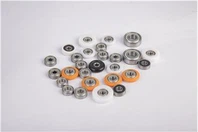
Hey there! I'm a supplier of Small Bearings, and today I wanna chat about the signs of a damaged small bearing. Small bearings, like the ones you can find on our Small Bearings page, play a crucial role in all sorts of machinery. They might be small, but they're mighty important.
Unusual Noise
One of the first signs that something's up with a small bearing is unusual noise. When a bearing is in good shape, it should run pretty quietly. But if you start hearing strange sounds like grinding, clicking, or growling, that's a red flag.
Grinding noises usually mean there's some kind of debris inside the bearing. Maybe it's dust, dirt, or even metal shavings. This debris can cause the rolling elements (like the balls in a ball bearing) to rub against the raceways in an uneven way, creating that grinding sound. For example, if you've got a Bearing 6200 in a motor and it starts making a grinding noise, it could be that some dust has gotten into the bearing over time.
Clicking noises are often a sign of a damaged or worn-out rolling element. A small crack or chip in a ball or roller can cause it to make a clicking sound as it rotates. This can happen due to excessive load, improper installation, or just normal wear and tear. If you hear clicking coming from a Bearing 6001ZZ in a conveyor system, it's worth taking a closer look.
Growling noises are a bit more serious. They usually indicate that the bearing is under extreme stress or that there's a problem with the lubrication. If the lubricant has dried up or become contaminated, the metal parts of the bearing will start to rub against each other, creating that growling sound. This can lead to rapid wear and tear and eventually cause the bearing to fail completely.
Vibration
Another telltale sign of a damaged small bearing is increased vibration. Bearings are designed to rotate smoothly, and any deviation from that smooth rotation can cause vibration. You can usually feel this vibration if you place your hand on the machinery that the bearing is part of.
Excessive vibration can be caused by a number of things. It could be due to misalignment, where the bearing isn't properly aligned with the shaft or housing. This can put extra stress on the bearing and cause it to vibrate. For instance, if a small bearing in a pump isn't aligned correctly, it can lead to uneven wear and increased vibration.
Imbalance is another common cause of vibration. If the rotating parts of the bearing aren't balanced properly, it can create an uneven distribution of weight, which in turn causes vibration. This can happen if there's a manufacturing defect or if the bearing has been damaged in some way.
Vibration can also be a result of a loose bearing. If the bearing isn't securely fastened to the shaft or housing, it can move around and cause vibration. This is often a simple fix, but if left unchecked, it can lead to more serious problems down the line.
Temperature Increase
A significant increase in temperature is also a sign that a small bearing might be damaged. Bearings generate some heat during normal operation, but if the temperature rises above the normal range, it's a cause for concern.


One of the main reasons for a temperature increase is lack of lubrication. Lubricant helps to reduce friction between the moving parts of the bearing, which in turn helps to keep the temperature down. If the lubricant has run out or is contaminated, the friction will increase, and so will the temperature.
Another cause of a temperature increase is overloading. If the bearing is being asked to carry a load that's too heavy for it, it will have to work harder, which generates more heat. This can happen if the machinery is being used in a way that it wasn't designed for or if there's a problem with the load distribution.
In some cases, a temperature increase can also be a sign of a mechanical problem, such as a misaligned bearing or a damaged rolling element. These issues can cause the bearing to operate inefficiently, leading to an increase in temperature.
Wear and Tear
Visible signs of wear and tear are obvious indicators of a damaged small bearing. You can look for things like pitting, scoring, or flaking on the surface of the bearing.
Pitting is small, shallow holes that form on the surface of the bearing. It's usually caused by corrosion or the impact of hard particles. For example, if a bearing is exposed to a humid environment, it can start to corrode, leading to pitting. Pitting can weaken the surface of the bearing and make it more prone to further damage.
Scoring is long, deep scratches on the surface of the bearing. It can be caused by debris getting into the bearing or by improper installation. If the bearing is installed with a tool that's too rough, it can cause scoring on the surface. Scoring can affect the smooth operation of the bearing and lead to increased friction and wear.
Flaking is when small pieces of the bearing material start to break off. This is often a sign of fatigue or overloading. If the bearing has been subjected to repeated stress over a long period of time, the material can start to crack and flake off. Flaking can cause the bearing to lose its structural integrity and eventually fail.
Sealing Issues
The seals on a small bearing are important for keeping out dirt, dust, and moisture. If the seals are damaged or worn out, it can lead to all sorts of problems.
A damaged seal can allow contaminants to enter the bearing, which can cause wear and tear and eventually lead to failure. You might notice that the lubricant inside the bearing has become dirty or that there's debris around the seal. This is a clear sign that the seal isn't doing its job properly.
In some cases, a damaged seal can also cause lubricant to leak out of the bearing. This can lead to a lack of lubrication, which as we've already discussed, can cause the bearing to overheat and fail. If you see oil or grease around the bearing or on the machinery that it's part of, it's likely that there's a seal issue.
Conclusion
So, there you have it - the main signs of a damaged small bearing. If you notice any of these signs in your machinery, it's important to take action as soon as possible. Ignoring these signs can lead to more serious problems, such as complete bearing failure, which can cause costly downtime and repairs.
As a supplier of Small Bearings, we've got a wide range of high-quality bearings to suit your needs. Whether you need a Bearing 6200 for a motor or a Bearing 6001ZZ for a conveyor system, we've got you covered.
If you're experiencing any issues with your bearings or if you're looking to purchase new ones, don't hesitate to get in touch. We're here to help you find the right bearings for your application and ensure that your machinery runs smoothly and efficiently.
References
- "Bearing Handbook" by SKF
- "Mechanical Design Handbook" by Mark's Standard Handbook for Mechanical Engineers