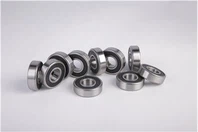
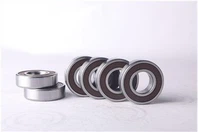
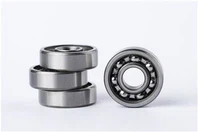
Mini roller bearings are essential components in various industries, offering high precision and reliability in compact designs. As a supplier of Mini Roller Bearings, I am often asked about the manufacturing processes involved in creating these small yet powerful components. In this blog post, I will take you through the step-by-step journey of how mini roller bearings are made, from raw materials to the finished product.
Raw Material Selection
The first step in manufacturing mini roller bearings is selecting the right raw materials. The quality of the materials used directly impacts the performance and durability of the bearings. For the rings and rollers, high-quality steel is the most common choice. Chromium steel, such as AISI 52100, is widely used due to its excellent hardness, wear resistance, and fatigue strength. This type of steel can withstand high loads and extreme operating conditions, making it ideal for mini roller bearings.


In addition to steel, other materials may be used for specific applications. For example, ceramic materials, such as silicon nitride (Si3N4), are sometimes used for the rollers in high-speed or high-temperature applications. Ceramic rollers offer lower weight, higher hardness, and better corrosion resistance compared to steel rollers.
Cutting and Forming
Once the raw materials are selected, the next step is to cut and form them into the desired shapes. The steel bars or tubes are first cut into the appropriate lengths using precision cutting machines. These machines ensure accurate dimensions and smooth cut surfaces.
After cutting, the blanks are then heated and forged to shape them into the rough form of the bearing rings and rollers. Forging is a process that uses compressive forces to deform the metal, improving its internal structure and mechanical properties. The forged blanks are then machined to achieve the final dimensions and surface finish. This involves turning, grinding, and honing operations, which are performed using advanced CNC (Computer Numerical Control) machines.
Heat Treatment
Heat treatment is a critical step in the manufacturing process of mini roller bearings. It is used to enhance the hardness, strength, and wear resistance of the bearing components. The most common heat treatment process for steel bearings is quenching and tempering.
During quenching, the machined bearing components are heated to a specific temperature and then rapidly cooled in a quenching medium, such as oil or water. This rapid cooling causes the formation of a hard martensitic structure in the steel, which increases its hardness. However, the martensitic structure is also brittle, so the components are then tempered to reduce the brittleness and improve their toughness. Tempering involves heating the quenched components to a lower temperature and holding them at that temperature for a certain period of time.
Grinding and Polishing
After heat treatment, the bearing components undergo further grinding and polishing operations to achieve the required surface finish and dimensional accuracy. Grinding is a precision machining process that uses abrasive wheels to remove small amounts of material from the surface of the components. This process is used to achieve tight tolerances and smooth surfaces, which are essential for the proper functioning of the bearings.
Polishing is a finishing process that further improves the surface quality of the components. It involves using fine abrasives to remove any remaining surface imperfections and create a mirror-like finish. A smooth surface finish reduces friction and wear, improving the efficiency and lifespan of the bearings.
Assembly
Once the individual bearing components are manufactured and finished, they are ready to be assembled into the final bearing. The assembly process involves carefully fitting the inner and outer rings, rollers, and cages together. The cages are used to separate the rollers and maintain their proper spacing, ensuring smooth rotation and preventing them from rubbing against each other.
The assembly process is typically performed in a cleanroom environment to prevent contamination of the bearing components. Specialized assembly equipment is used to ensure accurate alignment and proper fit of the components. After assembly, the bearings are then lubricated to reduce friction and wear and to protect the components from corrosion.
Quality Control
Quality control is an integral part of the manufacturing process of mini roller bearings. At every stage of production, strict quality control measures are implemented to ensure that the bearings meet the highest standards of quality and performance.
During the raw material selection stage, the materials are inspected for their chemical composition, hardness, and other properties. The cutting, forming, and machining operations are monitored to ensure that the components meet the specified dimensions and surface finish requirements. The heat treatment process is carefully controlled to ensure consistent hardness and mechanical properties.
After assembly, the finished bearings are subjected to a series of tests to verify their performance. These tests include dimensional inspection, hardness testing, noise and vibration testing, and fatigue life testing. Only the bearings that pass all the quality control tests are approved for shipment.
Conclusion
The manufacturing processes of mini roller bearings are complex and require a high level of precision and expertise. From raw material selection to quality control, every step is crucial in ensuring the production of high-quality bearings that meet the demanding requirements of various industries.
As a supplier of Mini Roller Bearings, we are committed to providing our customers with the best products and services. Our state-of-the-art manufacturing facilities, advanced production techniques, and strict quality control measures ensure that our bearings offer superior performance, reliability, and durability.
If you are in need of high-quality mini roller bearings for your applications, we invite you to contact us for more information and to discuss your specific requirements. Our team of experts will be happy to assist you in selecting the right bearings and providing you with competitive pricing and excellent customer service.
References
- Harris, T. A., & Kotzalas, M. N. (2007). Rolling Bearing Analysis. Wiley-Interscience.
- Gupta, P. K. (2002). Handbook of Bearings: Selection, Installation, Lubrication, and Maintenance. McGraw-Hill.
- Schaeffler Group. (n.d.). Rolling Bearing Technology. Retrieved from Schaeffler Group website
For more information about our 608 Roller Bearing and Micro Roller Bearings, please feel free to reach out to us. We look forward to discussing your procurement needs and finding the best solutions for your business.