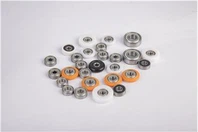
As a door bearings supplier, I understand the crucial role that well - maintained door bearings play in high - traffic areas. High - traffic spaces such as commercial buildings, malls, hospitals, and airports experience a large number of people passing through doors on a daily basis. This constant use imposes significant stress on door bearings, making regular maintenance essential.
Understanding the Importance of Door Bearings in High - traffic Areas
Door bearings are mechanical components that allow the smooth rotation or movement of doors. They reduce friction between moving parts, ensuring that doors open and close effortlessly. In high - traffic areas, the frequency of door usage is much higher compared to low - traffic areas. For example, in a busy shopping mall, a single entrance door may be used hundreds or even thousands of times a day. Without proper maintenance, door bearings in these areas can wear out quickly, leading to problems such as noisy doors, difficult opening and closing, and even premature failure.
The consequences of faulty door bearings in high - traffic areas can be far - reaching. They can disrupt the normal flow of people, causing inconvenience and potentially safety hazards. Moreover, the continuous damage to door bearings can result in costly repairs and replacements. By establishing appropriate maintenance intervals, these issues can be minimized, and the overall lifespan of the door bearings can be extended.
Factors Affecting Maintenance Intervals
Several factors influence the maintenance intervals for door bearings in high - traffic areas. Understanding these factors is crucial for determining the most suitable maintenance schedule for different environments.

Frequency of Use
The most obvious factor is the frequency of door use. As mentioned earlier, doors in high - traffic areas are opened and closed much more frequently than those in other areas. In a large airport terminal, for example, doors at the main entrances may operate thousands of times daily. This high - volume use leads to accelerated wear and tear on the bearings. In such cases, maintenance intervals should be relatively short, perhaps every few months.
On the other hand, in a less busy commercial building with a smaller number of occupants, the door usage frequency is lower. Doors may be used only a few hundred times a day. For these areas, the maintenance intervals can be extended to every six months or even longer.
Environmental Conditions
The environment in which the door bearings are installed also plays a vital role. Harsh environmental conditions can significantly affect the performance and lifespan of the bearings.
- Dust and Dirt: In industrial settings or areas with high levels of dust and dirt, such as construction sites or manufacturing plants, dust particles can easily enter the bearings. These particles act as abrasives, causing increased friction and wear. Regular cleaning and lubrication are necessary to prevent damage. Maintenance intervals in these areas may need to be reduced to as little as monthly to ensure proper functioning.
- Humidity and Moisture: High humidity and moisture can lead to corrosion of the bearing components. Areas near swimming pools, kitchens, or coastal regions are prone to these issues. Corroded bearings can lose their smooth operation and may eventually fail. In humid environments, it is recommended to conduct maintenance every three to four months.
- Temperature Extremes: Extreme temperatures, both hot and cold, can affect the performance of door bearings. In very hot climates, the lubricants used in the bearings can break down more quickly, while in cold climates, the flexibility of the bearing materials may be reduced. Extreme temperature regions may require more frequent maintenance, around every four months.
Type of Bearing
Different types of door bearings have different maintenance requirements.
- Ball Bearings: Ball bearings are commonly used in doors due to their ability to handle both radial and axial loads. They typically consist of balls that roll between two raceways. Ball bearings require less maintenance compared to some other types, but they still need to be checked periodically for signs of wear and lubricated as needed. The maintenance intervals for ball bearings in high - traffic areas can range from three to six months, depending on the factors mentioned above. You can find high - quality Ball Bearing Wheels Home Appliance on our website.
- Roller Bearings: Roller bearings are designed to handle heavier loads. They use cylindrical or tapered rollers instead of balls. Roller bearings may require more frequent maintenance because the larger contact area between the rollers and the raceways can lead to more wear. In high - traffic areas, roller bearings might need maintenance every two to four months. If you are looking for Roller Bearings for Drawers, our products are a great choice.
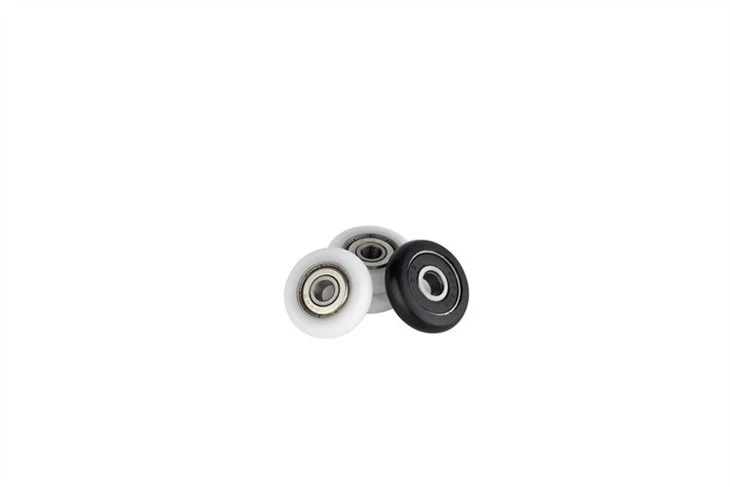
- Nylon Bearings: Nylon bearings are known for their self - lubricating properties, corrosion resistance, and quiet operation. They are often used in residential and light - commercial applications. However, in high - traffic areas, they still need to be inspected regularly. Maintenance intervals for nylon bearings can be every six to eight months. You can explore our Nylon Ball Bearing Drawer Rollers for your specific needs.
General Maintenance Intervals Guidelines
Based on the above factors, we can provide some general guidelines for maintenance intervals of door bearings in high - traffic areas:
- Light High - traffic Areas: In areas where the door is used moderately frequently, such as small commercial offices or libraries, and the environmental conditions are relatively mild, ball bearings may be maintained every six months, roller bearings every four months, and nylon bearings every eight months.
- Medium High - traffic Areas: For areas like medium - sized shopping malls or schools, with a higher volume of use and slightly more challenging environmental conditions, ball bearings should be maintained every four months, roller bearings every three months, and nylon bearings every six months.
- Heavy High - traffic Areas: In large airports, hospitals, or industrial complexes with extremely high door usage and harsh environmental conditions, ball bearings may need maintenance every three months, roller bearings every two months, and nylon bearings every five months.
Maintenance Procedures
Regular maintenance of door bearings involves several key procedures:
- Inspection: Inspect the bearings for signs of wear, such as pitting, scoring, or discoloration. Check the alignment of the bearing and the door to ensure smooth operation. Also, look for any loose or damaged parts.
- Cleaning: Clean the bearings to remove dust, dirt, and debris. Use a suitable cleaning agent depending on the type of bearing material. For example, mild solvents can be used for metal bearings, while water - based cleaners may be appropriate for nylon bearings.
- Lubrication: Apply the right type and amount of lubricant to the bearings. Lubrication reduces friction and wear, and helps to prevent corrosion. Different bearings may require different lubricants, so it is important to follow the manufacturer's recommendations.
- Replacement: If the bearings are severely worn or damaged, they should be replaced immediately. Using worn - out bearings can cause further damage to the door and other components.
Conclusion and Call to Action
Maintaining door bearings at appropriate intervals in high - traffic areas is essential for the smooth operation of doors, the safety of users, and the cost - effectiveness of building management. As a professional door bearings supplier, we offer a wide range of high - quality door bearings to meet your specific needs. Whether you need ball bearings, roller bearings, or nylon bearings, our products are designed to provide long - lasting performance.
If you are interested in learning more about our door bearings or our recommendations for maintenance intervals, or if you would like to start a procurement discussion, please feel free to get in touch. We are committed to providing you with the best products and services to ensure the optimal performance of your doors.
References
- Engineering Handbook of Bearings. McGraw - Hill.
- ASME B30.20 - 2018 Safety Standard for Below - the - Hook Lifting Devices, which includes some general information on bearing maintenance.
- Manufacturer's manuals for various types of door bearings.