Do door bearing wheels need to be adjusted after installation? This is a common question among customers who purchase door bearing wheels from our supply. As a well - established Door Bearing Wheels supplier, we have in - depth knowledge and rich experience in this area, and we are here to provide a detailed answer.
The Nature of Door Bearing Wheels
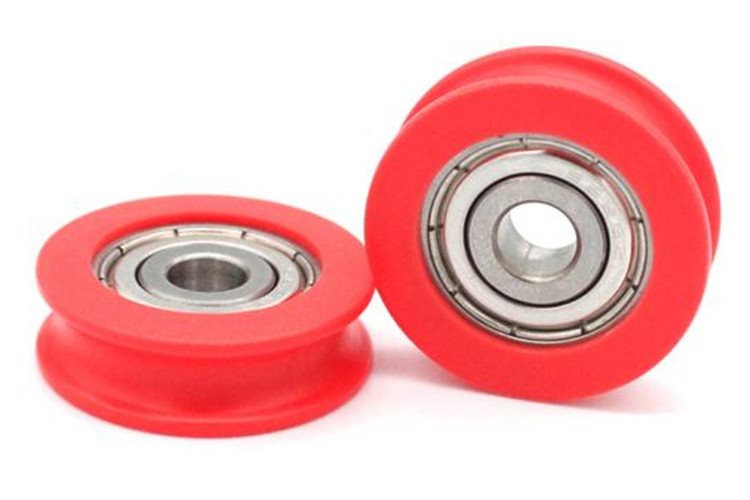
Door bearing wheels are a crucial component in various door systems, whether it's a sliding door in a commercial building, a garage door in a residential area, or industrial doors in factories. These wheels are designed to reduce friction, allowing the door to move smoothly and effortlessly. High - quality bearing wheels can significantly extend the lifespan of a door and enhance its overall performance.
Our company offers a variety of door bearing wheels, including Sliding Gate Roller Bearings, Industrial Roller Bearings, and Paper Roller Bearing. Each type of bearing wheel is engineered to meet specific requirements, with different load - carrying capacities, materials, and structural designs.
Reasons Why Adjustment Might Be Needed After Installation
1. Alignment Issues
During the installation process, it's possible that the door bearing wheels are not perfectly aligned. Misalignment can occur due to incorrect installation techniques, manufacturing tolerances of the door frame, or uneven floors. When the wheels are misaligned, the door may not move smoothly, and there could be increased friction between the wheels and the track. This not only makes the door difficult to open and close but also accelerates the wear and tear of the wheels and the track. Adjusting the wheels after installation can correct the alignment, ensuring that the door moves along the track in a straight and smooth manner.
2. Load Distribution
The load on the door bearing wheels is not always evenly distributed. Factors such as the weight of the door itself, the presence of additional accessories (like locks or handles) on one side of the door, or uneven usage patterns can cause uneven loading. If the load is concentrated on one or a few wheels, these wheels will experience more stress, which can lead to premature failure. By adjusting the wheels after installation, we can optimize the load distribution, so that each wheel bears an appropriate amount of weight. This helps to extend the service life of the wheels and maintain the stability of the door.

3. Track Conditions
The condition of the track also affects the performance of the door bearing wheels. Tracks can be damaged during installation, or they may accumulate dirt, debris, or rust over time. These issues can cause the wheels to deviate from their normal path, resulting in rough movement. Adjusting the wheels can sometimes compensate for minor track irregularities, allowing the door to move more smoothly. However, it's important to note that severe track damage may require track replacement rather than just wheel adjustment.
Situations Where Adjustment May Not Be Necessary
1. Precise Installation
If the installation is carried out by a professional with extensive experience and using high - precision tools, the chances of misalignment or uneven load distribution are significantly reduced. In such cases, the door bearing wheels may not require adjustment after installation. Professional installers are familiar with the correct installation procedures for different types of door systems and can ensure that the wheels are properly positioned and aligned from the start.
2. High - Quality Components
When high - quality door bearing wheels and tracks are used, they often have better manufacturing precision and tolerance. These components are designed to work together seamlessly, and the likelihood of performance issues due to misalignment or other factors is relatively low. Our Sliding Gate Roller Bearings, for example, are manufactured with strict quality control measures to ensure accurate dimensions and smooth operation, which may reduce the need for post - installation adjustment.
How to Determine if Adjustment is Required
1. Visual Inspection
A simple visual inspection can provide some clues. Check if the door is sitting evenly on the track. If one side of the door appears to be lower or higher than the other, it may indicate misaligned wheels. Also, look for signs of excessive wear on the wheels or the track. If the wheels have uneven wear patterns or if there are visible scratches or grooves on the track, adjustment may be necessary.
2. Operational Testing
Try opening and closing the door several times. If you notice any resistance, jerking, or unusual noises during the operation, it could be a sign that the wheels need adjustment. A smooth - moving door should open and close quietly and with minimal effort. If there are any performance issues, it's advisable to further evaluate the need for wheel adjustment.
The Adjustment Process
If it is determined that adjustment is necessary, the process typically involves the following steps:
- Access the Wheels: Depending on the door design, you may need to remove a panel or a cover to access the bearing wheels. Make sure to follow the manufacturer's instructions to avoid damaging the door.
- Loosen the Mounting Bolts: Use the appropriate tools to loosen the mounting bolts that hold the wheels in place. This will allow you to make adjustments to the position of the wheels.
- Adjust the Wheels: Based on the identified issues (such as alignment or load distribution), carefully move the wheels to the desired position. It's important to make small, incremental adjustments and test the door's operation after each adjustment to avoid over - correcting.
- Tighten the Mounting Bolts: Once the wheels are properly adjusted, tighten the mounting bolts securely to ensure that the wheels remain in place.
- Final Testing: Open and close the door several times to confirm that the adjustment has resolved the issues and that the door is moving smoothly.
The Importance of Professional Advice
While some minor adjustments can be made by the end - users, it's recommended to seek professional advice, especially for complex door systems or when dealing with high - value doors. Professional technicians have the expertise and specialized tools to accurately diagnose problems and make the necessary adjustments. They can also provide valuable guidance on maintenance and proper usage to prolong the life of the door bearing wheels.
If you are in the market for high - quality Sliding Gate Roller Bearings, Industrial Roller Bearings, or Paper Roller Bearing, our company is your reliable partner. We are committed to providing top - notch products and excellent customer service. Whether you have questions about installation, adjustment, or any other aspect of door bearing wheels, our team of experts is ready to assist you. Contact us today to start a procurement negotiation and find the perfect door bearing wheels for your needs.
References
- "Bearing Handbook" by SKF Group.
- "Mechanical Design of Machine Elements and Machines: A Failure - Prevention Perspective" by Robert L. Norton.