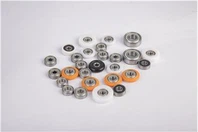
Hey there! As a supplier of Track Bearing Rollers, I've been in the thick of the industry for quite a while. Over the years, I've seen firsthand how these little components play a huge role in the performance of machine tools. So, I thought I'd share some insights on what the key factors are that affect the performance of track bearing rollers in machine tools.
Material Quality
The material used to make track bearing rollers is super important. It's like the foundation of a building; if it's not strong, the whole thing can come crashing down. High - quality materials can withstand more stress, wear, and tear. For example, some of the track bearing rollers we supply are made from high - grade steel. This type of steel has excellent hardness and toughness. It can handle heavy loads without deforming easily.
When machine tools are in operation, the track bearing rollers are constantly under pressure. If the material is of poor quality, it might start to crack or wear out quickly. This can lead to a decrease in the overall performance of the machine tool, like reduced accuracy and increased vibration. You can check out our Track Bearing Roller page to see the materials we use.


Design and Manufacturing Precision
Another key factor is the design and manufacturing precision of the track bearing rollers. A well - designed roller will fit perfectly into the machine tool's system. It should have the right shape, size, and surface finish. For instance, the curvature of the roller's surface needs to be just right to ensure smooth contact with the track.
During the manufacturing process, precision is crucial. Even a tiny deviation can cause big problems. If the diameter of the roller is off by a fraction, it can lead to uneven loading. This uneven loading can cause premature wear on the roller and other parts of the machine tool. Our manufacturing team uses state - of - the - art equipment to ensure that every track bearing roller we produce meets the highest precision standards.
Lubrication
Lubrication is like the oil in a car's engine; it keeps everything running smoothly. Proper lubrication reduces friction between the track bearing roller and the track. Friction can generate heat, which can damage the roller and other components. It can also cause the roller to wear out faster.
There are different types of lubricants available, and choosing the right one is essential. The type of lubricant depends on factors such as the operating temperature, load, and speed of the machine tool. For high - speed applications, a lubricant with good anti - wear properties and low viscosity is usually preferred. We can provide guidance on the best lubrication solutions for our Track Bearing Roller products.
Operating Conditions
The operating conditions of the machine tool have a big impact on the performance of track bearing rollers. Temperature is one of the major factors. Extreme temperatures, either too hot or too cold, can affect the material properties of the roller. In high - temperature environments, the lubricant might break down, and the roller material could expand, leading to increased friction.
The load on the machine tool also matters. If the machine tool is constantly under heavy loads, the track bearing rollers need to be able to handle it. Overloading can cause the rollers to deform or even break. And then there's the speed of operation. High - speed operation requires rollers that are designed to handle the centrifugal forces and rapid movement.
Maintenance and Inspection
Regular maintenance and inspection are vital for the long - term performance of track bearing rollers. Just like you take your car in for regular check - ups, machine tools need the same kind of attention. During maintenance, the rollers should be cleaned, and the lubricant should be replaced if necessary.
Inspection helps to identify any early signs of wear or damage. For example, if you notice some unusual noise or vibration coming from the machine tool, it could be a sign that the track bearing rollers are in trouble. By catching these problems early, you can avoid more serious breakdowns and costly repairs. We can offer some tips and guidelines on how to properly maintain and inspect our Track Bearing Roller products.
Environmental Factors
The environment in which the machine tool operates can also affect the performance of track bearing rollers. Dust, dirt, and moisture can all cause problems. Dust and dirt can get into the roller's bearings and cause abrasion. Moisture can lead to corrosion, which weakens the roller material.
In some industrial settings, there might be chemicals in the air or on the surfaces. These chemicals can react with the roller material and cause damage. If the machine tool is used in a harsh environment, it's important to choose track bearing rollers that are resistant to these elements. We have some specialized track bearing rollers that are designed to withstand tough environmental conditions.
Compatibility with Other Components
Track bearing rollers don't work in isolation; they need to be compatible with other components in the machine tool. For example, they need to work well with the tracks, housings, and other moving parts. If the components are not compatible, it can lead to problems like misalignment and uneven loading.
When selecting track bearing rollers, it's important to consider the overall design of the machine tool. Our team can help you choose the right rollers that are compatible with your existing machine tool components. We understand the importance of a well - integrated system for optimal performance.
Load Distribution
Proper load distribution is crucial for the performance of track bearing rollers. If the load is not evenly distributed across the roller, some parts of the roller will experience more stress than others. This can lead to premature wear and failure.
The design of the machine tool and the track system can affect load distribution. For example, a well - designed track can help to distribute the load more evenly. Our track bearing rollers are designed to work in harmony with different track systems to ensure optimal load distribution.
Speed and Acceleration
The speed and acceleration of the machine tool also impact the performance of track bearing rollers. High - speed operation requires rollers that can handle the rapid movement and the associated centrifugal forces. If the rollers are not designed for high - speed operation, they might experience problems like excessive heat generation and wear.
Acceleration can also put additional stress on the rollers. Sudden starts and stops can cause shock loads, which can damage the rollers. Our track bearing rollers are available in different specifications to meet the requirements of various speed and acceleration applications.
Surface Finish
The surface finish of the track bearing roller is important for reducing friction and wear. A smooth surface finish allows the roller to move more easily along the track. It also helps to distribute the lubricant evenly, which further reduces friction.
During the manufacturing process, we pay close attention to the surface finish of our track bearing rollers. We use advanced finishing techniques to ensure a high - quality surface that promotes smooth operation.
In conclusion, there are many key factors that affect the performance of track bearing rollers in machine tools. From material quality and design to lubrication and operating conditions, every aspect plays a role. As a supplier of Track Bearing Roller, we're committed to providing high - quality products that meet the needs of our customers.
If you're in the market for track bearing rollers or have any questions about how to improve the performance of your machine tools, don't hesitate to get in touch. We're here to help you find the best solutions for your specific requirements. Whether it's choosing the right rollers, getting advice on maintenance, or ensuring compatibility with your existing system, we've got you covered. So, feel free to reach out and start a conversation about your procurement needs.
References
- Smith, J. (2018). Machine Tool Components: A Comprehensive Guide. Industrial Press.
- Brown, A. (2020). The Impact of Material Quality on Bearing Performance. Journal of Manufacturing Science.
- Green, C. (2019). Lubrication in Machine Tools: Best Practices. Machinery Lubrication Magazine.