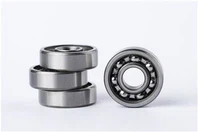
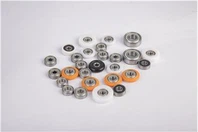
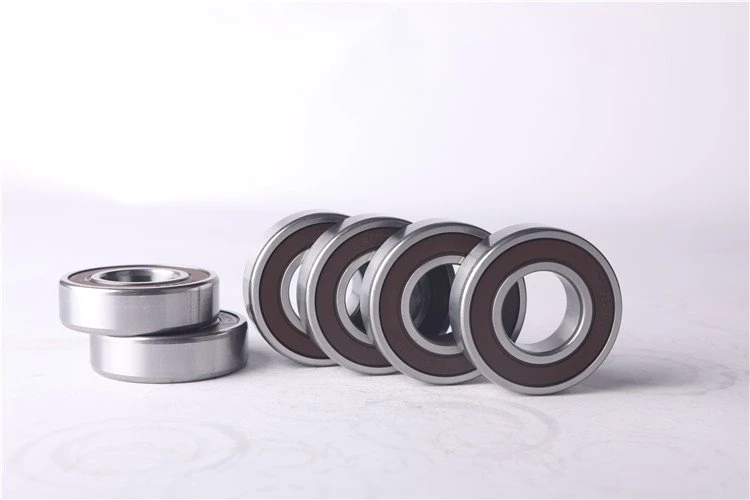
As a supplier of One Way Rollers, I understand the importance of having the right installation tools to ensure a smooth and efficient process. In this blog post, I will discuss the essential installation tools needed for a One Way Roller, providing insights into their functions and why they are crucial for a successful installation.

1. Measuring Tools
- Calipers: Calipers are indispensable for accurately measuring the dimensions of the One Way Roller and the mating components. Whether it's the outer diameter, inner diameter, or width of the roller, precise measurements are crucial to ensure a proper fit. For example, when installing a One Way Roller, knowing the exact dimensions of the shaft and housing bore helps in selecting the correct interference fit. Digital calipers offer high precision and easy readability, making them a popular choice among installers.
- Micrometers: Micrometers provide even more accurate measurements than calipers, especially for small and critical dimensions. They are particularly useful when measuring the thickness of washers or the tolerance of the roller's raceways. A micrometer can measure dimensions with an accuracy of up to 0.001 mm, ensuring that the One Way Roller meets the required specifications.
2. Mounting Tools
- Press Tools: Press tools are used to install the One Way Roller onto the shaft or into the housing. Hydraulic presses are commonly used for larger rollers, as they can generate high forces to achieve the necessary interference fit. Mechanical presses are also available for smaller applications. When using a press, it is important to apply the force evenly to avoid damaging the roller or the mating components. For instance, placing a soft metal spacer between the press and the roller can prevent surface damage.
- Heat Installation Tools: In some cases, heat installation is required to expand the housing or shrink the shaft to facilitate the installation of the One Way Roller. Induction heaters are a popular choice for this purpose, as they can quickly and evenly heat the component without causing any damage. Heat installation is particularly useful for tight interference fits, as it reduces the risk of damage to the roller during installation.
3. Alignment Tools
- Dial Indicators: Dial indicators are used to check the alignment of the One Way Roller and the mating components. They can measure the runout, concentricity, and parallelism of the shaft and housing, ensuring that the roller operates smoothly and efficiently. For example, when installing a 6205-ZZ One Way Roller, a dial indicator can be used to check the alignment of the shaft to prevent excessive wear and noise.
- Laser Alignment Tools: Laser alignment tools provide a more accurate and efficient way to align the One Way Roller and the mating components. They use laser beams to measure the alignment and can display the results in real-time. Laser alignment tools are particularly useful for large and complex installations, as they can quickly and accurately identify any misalignments and provide guidance on how to correct them.
4. Cleaning and Lubrication Tools
- Cleaning Brushes: Cleaning brushes are used to remove dirt, debris, and old lubricant from the One Way Roller and the mating components before installation. Soft-bristled brushes are recommended to avoid scratching the surface of the roller. Cleaning the components thoroughly helps to prevent contamination and ensures a proper fit.
- Lubrication Guns: Lubrication guns are used to apply the appropriate lubricant to the One Way Roller during installation. The type of lubricant used depends on the application and the operating conditions. Grease guns are commonly used for applications where grease is the preferred lubricant, while oil guns are used for applications where oil is required. Applying the right amount of lubricant is crucial to ensure the smooth operation and longevity of the roller.
5. Safety Tools
- Gloves: Gloves are essential for protecting your hands during the installation process. They can prevent cuts, abrasions, and chemical burns. When handling the One Way Roller and the installation tools, it is important to wear gloves to ensure your safety.
- Safety Glasses: Safety glasses protect your eyes from flying debris and particles during the installation process. They are particularly important when using power tools or when working in a dusty environment.
6. Other Tools
- Allen Keys and Screwdrivers: Allen keys and screwdrivers are used to tighten or loosen the fasteners on the One Way Roller and the mating components. They come in different sizes and shapes to fit various types of fasteners.
- Hammers and Mallets: Hammers and mallets are used to tap the One Way Roller into place or to remove it if necessary. However, it is important to use them carefully to avoid damaging the roller or the mating components.
In conclusion, having the right installation tools is crucial for a successful installation of a One Way Roller. Measuring tools ensure accurate dimensions, mounting tools facilitate the installation process, alignment tools ensure proper alignment, cleaning and lubrication tools maintain the performance of the roller, and safety tools protect the installer. By using the appropriate tools and following the correct installation procedures, you can ensure the smooth operation and longevity of the One Way Roller.
If you are interested in purchasing One Way Rollers or have any questions about the installation process, please feel free to contact us for more information and to discuss your specific requirements. We are dedicated to providing high-quality products and excellent customer service.
References
- "Bearing Installation and Maintenance Handbook" by SKF
- "Mechanical Design Handbook" by Robert L. Norton