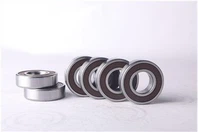
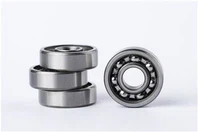
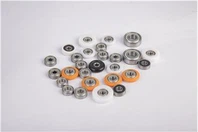
Door bearings play a crucial role in the smooth operation of various types of doors, from residential sliding doors to commercial entrance systems. As a trusted Door Bearings supplier, we have encountered numerous common problems with door bearings over the years. Understanding these issues is essential for both end - users and industry professionals to ensure the longevity and proper functioning of door systems.
1. Wear and Tear
One of the most prevalent problems with door bearings is wear and tear. Over time, the constant movement of the door causes friction between the bearing components, such as the balls or rollers and the raceways. This friction leads to the gradual deterioration of the bearing surfaces. For example, in high - traffic areas where doors are opened and closed frequently, the wear process accelerates.
The wear can manifest in different ways. The surface of the raceways may become pitted or scored, which can cause the balls or rollers to move unevenly. This uneven movement not only produces noise but also reduces the efficiency of the door operation. In some cases, the wear can be so severe that the bearing loses its structural integrity, leading to complete failure.
To mitigate wear and tear, regular maintenance is crucial. This includes lubrication of the bearings at appropriate intervals. Lubricants reduce friction, dissipate heat, and protect the bearing surfaces from corrosion. However, it is important to use the right type of lubricant for the specific bearing application. Some bearings are designed for dry operation, and using the wrong lubricant can actually cause more harm than good.
2. Contamination
Contamination is another significant problem that affects door bearings. Dust, dirt, debris, and moisture can find their way into the bearing housing, causing a range of issues. Dust and dirt particles can act as abrasives, increasing the wear rate of the bearing components. They can also clog the small gaps between the balls or rollers and the raceways, preventing smooth movement.
Moisture is particularly damaging to bearings as it can cause corrosion. Corrosion weakens the bearing materials, leading to premature failure. In environments where doors are exposed to the elements, such as exterior doors in industrial settings or coastal areas, the risk of contamination is even higher.
To prevent contamination, proper sealing is essential. Bearings should be equipped with effective seals that can keep out dust, dirt, and moisture. Additionally, regular cleaning of the door and the bearing area can help remove any accumulated contaminants. In some cases, installing protective covers or enclosures around the bearings can provide an extra layer of protection.
3. Misalignment
Misalignment occurs when the bearing is not installed correctly or when the door frame or track is out of alignment. This can happen during the initial installation of the door or due to structural changes in the building over time. When a bearing is misaligned, the load is not distributed evenly across the bearing components.
As a result, certain parts of the bearing experience excessive stress, leading to accelerated wear and potential failure. Misaligned bearings can also cause the door to bind or stick during operation, making it difficult to open and close. In extreme cases, misalignment can cause the bearing to overheat, which can further damage the bearing and other components of the door system.
To address misalignment, it is important to ensure accurate installation of the door and the bearings. During the installation process, precise measurements and alignments should be made. If misalignment is detected later, it may be necessary to adjust the door frame, track, or bearing mounts to correct the issue.
4. Overloading
Overloading is a common problem, especially in commercial or industrial settings where doors are used to support heavy loads. When a bearing is subjected to a load that exceeds its rated capacity, it can cause premature failure. Overloading can cause the bearing components to deform, crack, or break.
In some cases, overloading may not cause immediate failure but can significantly reduce the lifespan of the bearing. For example, if a door bearing is designed to support a certain weight, but additional weight is added to the door (such as heavy decorations or equipment), the bearing will experience increased stress.
To avoid overloading, it is essential to select the right bearing for the specific application. Consider the weight of the door, the frequency of use, and any additional loads that the door may be subjected to. Our company offers a wide range of door bearings with different load - carrying capacities to meet various requirements. You can explore our U Groove Pulley Wheel and Ball Bearing Wheels Home Appliance options, which are designed to handle different loads effectively.
5. Noise and Vibration
Noise and vibration are common symptoms of bearing problems. When a bearing is worn, contaminated, misaligned, or overloaded, it can produce abnormal noise and vibration during operation. The noise can range from a slight squeaking or rattling to a loud and persistent grinding sound.
Excessive noise and vibration not only indicate a problem with the bearing but can also be a nuisance to the users. In some cases, the vibration can cause damage to other components of the door system, such as the door frame or the track.
To reduce noise and vibration, it is important to identify and address the root cause of the problem. This may involve replacing worn bearings, cleaning or lubricating the bearings, correcting misalignment, or reducing the load on the bearing. Our Small Plastic Roller Wheels are designed to operate quietly and smoothly, minimizing noise and vibration.


6. Lubrication Issues
While lubrication is essential for the proper functioning of door bearings, improper lubrication can also cause problems. Using the wrong type of lubricant, over - lubricating, or under - lubricating can all have negative effects on the bearing.
Using the wrong lubricant may not provide adequate protection against friction and wear, or it may react with the bearing materials, causing damage. Over - lubrication can lead to the accumulation of excess lubricant, which can attract dust and dirt, increasing the risk of contamination. Under - lubrication, on the other hand, can result in increased friction and wear.
To ensure proper lubrication, it is important to follow the manufacturer's recommendations. This includes using the correct type of lubricant, applying the right amount, and lubricating at the appropriate intervals.
Contact Us for Solutions
If you are experiencing any of these common problems with your door bearings or are looking for high - quality door bearings for a new project, we are here to help. As a leading Door Bearings supplier, we have a wealth of experience and a wide range of products to meet your needs. Our team of experts can provide you with professional advice on bearing selection, installation, and maintenance.
Whether you need bearings for residential, commercial, or industrial applications, we have the solutions. Contact us today to discuss your requirements and start a procurement negotiation. We are committed to providing you with the best products and services to ensure the smooth operation of your door systems.
References
- Harris, T. A., & Kotzalas, M. N. (2007). Rolling Bearing Analysis. Wiley.
- Kragelsky, I. V., Alisin, V. F., & Kombalov, M. V. (1982). Wear of Materials. Pergamon Press.
- Skufca, N. D. (2013). Handbook of Bearing Design and Application. McGraw - Hill.