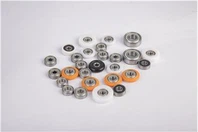
Big ball bearings are essential components in a wide range of industrial applications, from heavy machinery to precision instruments. As a supplier of big ball bearings, I understand the importance of ensuring these components function optimally. However, like any mechanical part, big ball bearings can encounter problems over time. In this blog, I'll share some practical tips on how to troubleshoot common issues with big ball bearings.
1. Noise and Vibration
One of the most obvious signs of a problem with big ball bearings is excessive noise or vibration. This can be caused by several factors, including improper installation, contamination, or wear and tear.
Improper Installation
If the bearings are not installed correctly, it can lead to misalignment, which in turn causes noise and vibration. To check for misalignment, you can use a dial indicator to measure the runout of the bearing. If the runout exceeds the manufacturer's specifications, the bearing may need to be realigned or reinstalled.
Contamination
Contamination is another common cause of noise and vibration in big ball bearings. Dust, dirt, and other foreign particles can enter the bearing and cause damage to the raceways and balls. To prevent contamination, it's important to keep the bearing environment clean and use proper sealing techniques. If contamination is suspected, the bearing should be removed and cleaned thoroughly. You can use a suitable cleaning solvent and a soft brush to remove any dirt or debris.
Wear and Tear
Over time, the balls and raceways of big ball bearings will naturally wear down. This can lead to increased noise and vibration. To determine the extent of wear, you can inspect the bearing for signs of pitting, scoring, or other damage. If the wear is severe, the bearing may need to be replaced.
2. Overheating
Overheating is another serious problem that can occur with big ball bearings. It can be caused by factors such as insufficient lubrication, excessive load, or high operating speeds.
Insufficient Lubrication
Lubrication is crucial for the proper functioning of big ball bearings. It reduces friction, dissipates heat, and protects the bearing from wear and corrosion. If the bearing is not properly lubricated, it can overheat quickly. To check the lubrication level, you can refer to the manufacturer's recommendations. In some cases, you may need to add more lubricant or change the lubricant type.
Excessive Load
If the bearing is subjected to a load that exceeds its rated capacity, it can cause overheating. To prevent this, you should ensure that the bearing is properly sized for the application. You can refer to the bearing's load ratings and consult with a bearing engineer if necessary.
High Operating Speeds
Operating the bearing at speeds higher than its recommended limit can also lead to overheating. You should always follow the manufacturer's guidelines regarding the maximum operating speed of the bearing. If the application requires higher speeds, you may need to choose a bearing with a higher speed rating.


3. Seizure
Bearing seizure is a serious problem that can result in complete bearing failure. It occurs when the bearing becomes locked and cannot rotate freely. Seizure can be caused by factors such as excessive heat, contamination, or improper lubrication.
Excessive Heat
As mentioned earlier, excessive heat can cause the bearing to expand and seize. To prevent this, you should ensure that the bearing is properly cooled and that the operating temperature is within the recommended range. You can use cooling systems such as fans or heat exchangers to maintain a suitable temperature.
Contamination
Contamination can also cause seizure by preventing the smooth movement of the balls and raceways. To prevent contamination, you should use proper sealing techniques and keep the bearing environment clean.
Improper Lubrication
Insufficient or improper lubrication can lead to increased friction and heat, which can ultimately cause seizure. You should always use the recommended lubricant and ensure that it is applied in the correct amount.
4. Corrosion
Corrosion is a common problem in big ball bearings, especially in applications where the bearing is exposed to moisture or corrosive chemicals. Corrosion can cause pitting, rusting, and other damage to the bearing surface, which can lead to premature failure.
Environmental Factors
To prevent corrosion, you should consider the environmental conditions in which the bearing will operate. If the environment is humid or contains corrosive chemicals, you may need to choose a bearing with a corrosion-resistant coating or made from a corrosion-resistant material.
Lubrication
Proper lubrication can also help prevent corrosion. The lubricant forms a protective film on the bearing surface, which helps to prevent moisture and chemicals from coming into contact with the metal. You should choose a lubricant that has good anti-corrosion properties.
5. Fatigue Failure
Fatigue failure is a long-term problem that occurs when the bearing is subjected to repeated stress over time. It can cause cracks to form in the raceways or balls, which can eventually lead to bearing failure.
Load and Speed
To prevent fatigue failure, you should ensure that the bearing is properly sized for the application and that the load and speed are within the recommended limits. You can refer to the bearing's fatigue life ratings and consult with a bearing engineer if necessary.
Maintenance
Regular maintenance is also important for preventing fatigue failure. You should inspect the bearing regularly for signs of wear and damage and replace it if necessary. You can also use condition monitoring techniques such as vibration analysis or temperature monitoring to detect early signs of fatigue.
Conclusion
Troubleshooting problems with big ball bearings requires a systematic approach. By understanding the common causes of problems such as noise, vibration, overheating, seizure, corrosion, and fatigue failure, you can take appropriate measures to prevent and resolve these issues. As a supplier of big ball bearings, I'm committed to providing high-quality products and technical support to help you keep your bearings running smoothly. If you're experiencing problems with your big ball bearings or need advice on choosing the right bearing for your application, please don't hesitate to contact me for a purchase negotiation.
For more information about our Track Bearing Roller, you can click on the link.
References
- "Bearing Handbook" by SKF
- "Mechanical Engineering Design" by Joseph E. Shigley and Charles R. Mischke