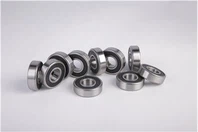
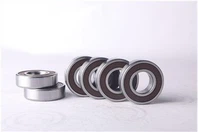
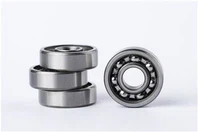
Hey there! As a supplier of small bearings, I've seen firsthand how crucial it is to reduce friction in these little components. Friction can lead to all sorts of problems, like wear and tear, overheating, and reduced efficiency. So, in this blog post, I'm gonna share some tips on how to reduce the friction of small bearings.
Choose the Right Bearing Type
First off, picking the right type of bearing is super important. Different types of bearings have different friction characteristics. For example, ball bearings generally have lower friction compared to roller bearings because the contact between the balls and the raceways is point contact, which reduces the frictional area.
If you're looking for small bearings with low friction, I'd recommend checking out our Bearing 6001ZZ. It's a popular choice for many applications due to its relatively low friction and good performance. Another great option is the 6901ZZ --Thin Section Bearings/Floor Sweeper Motor. These thin-section bearings are designed to minimize friction while still providing reliable support. And if you need a slightly larger bearing, the Bearing 6200 is also a solid choice with low friction properties.
Proper Lubrication
Lubrication is like the magic sauce when it comes to reducing friction in bearings. It forms a thin film between the moving parts, separating them and reducing direct contact. This not only reduces friction but also helps to dissipate heat and prevent wear.
There are different types of lubricants available, such as grease and oil. Grease is a popular choice for small bearings because it stays in place better and provides long-term lubrication. However, it's important to choose the right type of grease for your application. Factors like temperature, speed, and load all play a role in determining the best grease.
When applying grease, make sure to use the right amount. Too little grease won't provide adequate lubrication, while too much can cause overheating and increased friction. A good rule of thumb is to fill about one-third to one-half of the bearing's internal space with grease.
If you're using oil lubrication, it's important to maintain the correct oil level and change the oil regularly. Oil can provide better cooling and is suitable for high-speed applications. But again, the type of oil and the frequency of oil changes depend on the specific operating conditions.
Precise Installation
Installing bearings correctly is crucial for reducing friction. If a bearing is installed incorrectly, it can cause misalignment, which leads to increased friction and premature wear.
Before installation, make sure the bearing and the mating surfaces are clean and free of any debris. Use the right tools to install the bearing, and apply the load evenly. Avoid using excessive force, as this can damage the bearing.
It's also important to check the fit between the bearing and the shaft or housing. A too-tight fit can cause the bearing to deform, increasing friction, while a too-loose fit can lead to excessive movement and vibration.
Maintain a Clean Environment
A clean environment is essential for reducing friction in small bearings. Dust, dirt, and other contaminants can get into the bearing and cause abrasion, increasing friction and wear.
Make sure to keep the area around the bearing clean. Use protective covers or seals to prevent contaminants from entering the bearing. If the bearing is used in a dirty or dusty environment, consider using a bearing with a higher level of sealing.
Monitor and Maintain
Regular monitoring and maintenance are key to keeping the friction of small bearings at a minimum. Check the bearing regularly for signs of wear, such as noise, vibration, or temperature changes. If you notice any issues, take action immediately to prevent further damage.
You can also perform regular inspections and lubrication to ensure the bearing is in good condition. Keep a record of the bearing's performance and maintenance history, as this can help you identify any trends or potential problems.
Conclusion
Reducing the friction of small bearings is essential for improving their performance and longevity. By choosing the right bearing type, using proper lubrication, installing the bearing correctly, maintaining a clean environment, and monitoring and maintaining the bearing regularly, you can significantly reduce friction and ensure the smooth operation of your equipment.
If you're in the market for small bearings or have any questions about reducing friction, feel free to reach out to us. We're here to help you find the best solutions for your applications. Whether you need advice on bearing selection, lubrication, or installation, our team of experts is ready to assist you. Let's work together to optimize the performance of your small bearings and take your equipment to the next level.


References
- "Bearing Handbook" - A comprehensive guide on bearings and their applications.
- "Lubrication Technology" - Provides in-depth knowledge on different types of lubricants and their use in bearings.
- Industry standards and guidelines related to bearing installation, maintenance, and performance.