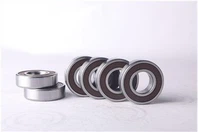
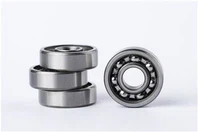
Hey there! I'm a supplier of Bearing 6203llu, and I know how crucial it is to ensure the correct size of these bearings. In this blog, I'll share some practical ways to measure Bearing 6203llu to make sure they're the right fit for your needs.
First off, let's talk about why measuring the bearing size accurately matters. A bearing that's too big or too small can lead to all sorts of problems. It might not fit properly in the machinery, causing excessive wear and tear, or even leading to complete equipment failure. So, getting the measurements right is key to smooth operation and long - term performance.
Tools You'll Need
Before we start measuring, you'll need a few basic tools. A good set of calipers is a must - have. You can get either digital or analog calipers, depending on your preference. Digital calipers are usually more precise and easier to read, but analog ones work just fine too. You'll also need a micrometer for more accurate measurements of small dimensions. And don't forget a clean, flat surface to place the bearing on while you're measuring.
Measuring the Outer Diameter
The outer diameter of the Bearing 6203llu is an important dimension. To measure it, place the bearing on a flat surface. Open the calipers wide enough to fit around the outer edge of the bearing. Gently close the calipers until they touch the outer surface of the bearing on opposite sides. Make sure the calipers are perpendicular to the axis of the bearing. Read the measurement on the caliper scale. If you're using digital calipers, the measurement will be displayed clearly on the screen.
For more accurate results, take multiple measurements at different points around the outer diameter. This is because the bearing might not be perfectly round, and taking several measurements can help you get an average and more accurate value. The standard outer diameter for Bearing 6203llu is specified in the product documentation. If your measurements deviate significantly from the standard, it could indicate a problem with the bearing.


Measuring the Inner Diameter
Measuring the inner diameter is a bit more tricky. You can use the inside jaws of the calipers for this. Insert the calipers into the inner hole of the bearing. Expand the jaws until they touch the inner surface of the bearing on opposite sides. Again, make sure the calipers are perpendicular to the axis of the bearing. Read the measurement. Just like with the outer diameter, take multiple measurements at different points inside the hole.
A micrometer can also be used for a more precise measurement of the inner diameter. Some micrometers are specifically designed for measuring internal dimensions. Place the micrometer inside the bearing and adjust it until it makes contact with the inner surface. Take your time to get an accurate reading. The correct inner diameter is crucial for ensuring that the bearing fits properly on the shaft.
Measuring the Width
The width of the Bearing 6203llu is another important dimension. To measure it, use the calipers to measure the distance between the two flat sides of the bearing. Place the calipers on the sides of the bearing and close them until they touch the surfaces. Read the measurement. As always, take multiple measurements at different points along the width to get an accurate average.
Checking the Tolerance
Once you've taken all the measurements, it's time to check if they fall within the acceptable tolerance range. Tolerance is the amount by which a dimension can vary from the standard value. Every bearing has a specified tolerance range for its outer diameter, inner diameter, and width. You can find this information in the product specifications.
If your measurements are within the tolerance range, then the bearing is likely to be of the correct size. However, if the measurements are outside the tolerance range, the bearing might not be suitable for your application. You should either reject the bearing or consult with the manufacturer to see if it can still be used in a less critical situation.
Importance of Quality Control
As a Bearing 6203llu supplier, I take quality control very seriously. We measure every bearing before it leaves our facility to ensure that it meets the highest standards. This not only helps us maintain a good reputation but also ensures that our customers get the best - performing bearings.
In addition to measuring the size, we also conduct other quality checks. We inspect the surface finish of the bearing for any scratches, cracks, or other defects. We also test the bearing's rotational performance to make sure it spins smoothly and without any noise.
Related Products
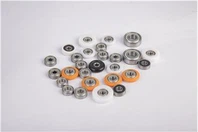
If you're interested in other types of small bearings, we also offer 20mm Roller Bearing and Small Rollers with Bearings. These products are also carefully measured and quality - checked to ensure they meet your requirements.
Conclusion
Measuring Bearing 6203llu accurately is essential for ensuring its correct size and proper function. By using the right tools and following the correct measurement procedures, you can avoid a lot of potential problems. If you have any questions about measuring bearings or if you're interested in purchasing Bearing 6203llu, feel free to reach out to us. We're always here to help you find the right bearings for your application. You can check out our Bearing 6203llu product page for more details.
References
- Machinery's Handbook, 31st Edition
- Bearing Manufacturing and Quality Control Standards