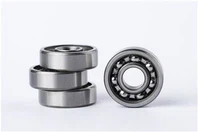
Installing small bearings in a tight space can be a challenging yet crucial task, especially when precision and efficiency are paramount. As a supplier of Small Bearings, I have encountered numerous situations where proper installation techniques are the difference between a smoothly operating mechanism and a frustrating mechanical failure. In this blog post, I will share some practical tips and best practices on how to install small bearings in a tight space.


Understanding the Challenges of Tight - Space Installation
Before diving into the installation process, it's essential to understand the unique challenges presented by tight spaces. Limited access makes it difficult to maneuver tools and position the bearing correctly. There may also be a lack of visibility, which can lead to misalignment or improper seating of the bearing. Additionally, tight spaces often mean that there is less room for error, and any mistakes during installation can result in premature bearing failure.
Pre - installation Preparation
- Inspect the Bearing and Housing: Thoroughly examine the Small Bearings for any signs of damage, such as scratches, dents, or rust. Similarly, check the bearing housing for debris, burrs, or any irregularities that could affect the bearing's fit. Clean both the bearing and the housing using a suitable solvent and a lint - free cloth.
- Select the Right Tools: In tight spaces, using the right tools is crucial. Small - sized bearing pullers, presses, and alignment tools are often necessary. For example, a small - tipped bearing press can be used to gently seat the bearing in the housing without causing damage. Magnetic tools can also be helpful for retrieving small parts or holding the bearing in place during installation.
- Measure Twice, Install Once: Take accurate measurements of the bearing and the housing to ensure a proper fit. This includes measuring the inner and outer diameters of the bearing, as well as the width. Compare these measurements with the specifications provided by the manufacturer to avoid any compatibility issues.
Installation Techniques
- Use a Bearing Sleeve or Adapter: In some cases, a bearing sleeve or adapter can be used to facilitate installation in a tight space. This can help distribute the force evenly during installation and prevent damage to the bearing. Slide the sleeve or adapter over the bearing and use a press to gently insert the assembly into the housing.
- Apply Lubrication: Applying a thin layer of lubricant to the bearing and the housing can reduce friction during installation. This not only makes the installation process smoother but also helps to protect the bearing from wear and tear. Choose a lubricant that is compatible with the bearing material and the operating conditions.
- Align the Bearing Properly: Misalignment is one of the most common causes of bearing failure. Use alignment tools to ensure that the bearing is perfectly aligned with the housing. This may involve using a dial indicator or a laser alignment system. In tight spaces, it may be necessary to use smaller, more compact alignment tools.
- Install the Bearing Gradually: Instead of trying to force the bearing into place all at once, install it gradually. Apply a small amount of pressure at a time, checking for proper alignment and seating at each step. This can help prevent damage to the bearing and ensure a secure fit.
Case Studies
Let's take a look at a couple of real - world examples to illustrate the importance of proper installation techniques in tight spaces.
Example 1: Installing Bearing 6200 in a Compact Motor
A customer needed to install a Bearing 6200 in a compact motor with limited access. The technician first inspected the bearing and the housing, cleaning them thoroughly. They then used a small - tipped bearing press and a bearing sleeve to install the bearing. By applying lubrication and aligning the bearing carefully, they were able to install the bearing without any issues. The motor has been operating smoothly ever since.
Example 2: Installing 6901ZZ --Thin Section Bearings/Floor Sweeper Motor in a Floor Sweeper
In another case, a floor sweeper manufacturer needed to install 6901ZZ --Thin Section Bearings/Floor Sweeper Motor in a tight space within the motor. The technician used a magnetic tool to hold the bearing in place and a small - sized press to seat it. By taking their time and ensuring proper alignment, they were able to complete the installation successfully. The floor sweeper has shown improved performance and reliability since the new bearings were installed.
Troubleshooting
Even with the best preparation and installation techniques, problems can still arise. Here are some common issues and how to address them:
- Bearing Won't Fit: If the bearing won't fit into the housing, check for any debris or burrs in the housing. You may also need to re - measure the bearing and the housing to ensure a proper fit. In some cases, it may be necessary to re - machine the housing to achieve the correct dimensions.
- Bearing is Misaligned: If the bearing is misaligned, use alignment tools to correct the issue. This may involve adjusting the position of the bearing or the housing. If the misalignment is severe, it may be necessary to remove the bearing and start the installation process over.
- Bearing is Damaged During Installation: If the bearing is damaged during installation, replace it immediately. Using a damaged bearing can lead to premature failure and potentially cause damage to other components in the system.
Conclusion
Installing Small Bearings in a tight space requires careful planning, the right tools, and proper installation techniques. By following the tips and best practices outlined in this blog post, you can ensure a successful installation and extend the lifespan of your bearings.
As a leading supplier of Small Bearings, we are committed to providing high - quality products and expert advice. If you have any questions about bearing installation or need assistance in selecting the right bearings for your application, please don't hesitate to contact us for a procurement discussion. We look forward to helping you find the best bearing solutions for your needs.
References
- "Bearing Installation and Maintenance Handbook" by SKF
- "Fundamentals of Machine Elements" by Robert C. Juvinall and Kurt M. Marshek