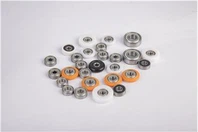
As a supplier of Bearing 6311, I've witnessed firsthand the importance of extending the fatigue life of these bearings. In various industrial applications, Bearing 6311 plays a crucial role. Its performance and service life directly affect the efficiency and reliability of the entire equipment. In this blog, I'll share some practical and scientific methods to help you extend the fatigue life of Bearing 6311.
1. Understanding the Basics of Bearing 6311
Before we delve into the methods of extending its fatigue life, it's essential to have a basic understanding of Bearing 6311. Bearing 6311 is a deep - groove ball bearing, which is one of the most common types of bearings. It can withstand both radial and axial loads and is widely used in motors, pumps, gearboxes, and other rotating machinery. You can find more detailed information about Bearing 6311 on our website Bearing 6311.
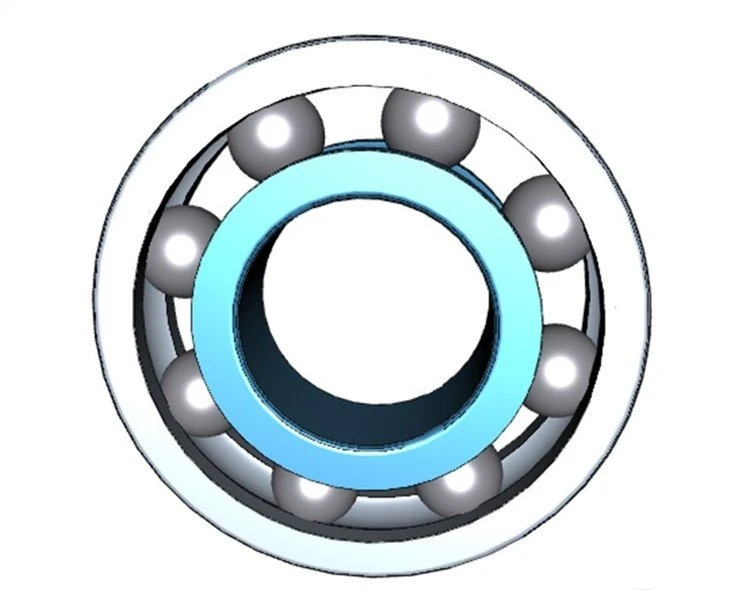

The fatigue life of a bearing refers to the number of revolutions or the operating time that a group of identical bearings can withstand under a given load before the first sign of fatigue failure occurs on the raceways or rolling elements. Fatigue failure is mainly caused by repeated stress cycles during operation, which leads to the initiation and propagation of cracks on the bearing surface.
2. Proper Installation
The first step in extending the fatigue life of Bearing 6311 is proper installation. Incorrect installation can cause uneven stress distribution on the bearing, leading to premature fatigue failure.
- Cleanliness: Before installation, make sure the installation environment and all related parts are clean. Any foreign particles, such as dust, metal chips, or dirt, can enter the bearing during installation and cause abrasion and damage to the bearing surfaces. Clean the shaft and housing bore with a suitable cleaning agent and dry them thoroughly.
- Correct Fitting: The bearing should be fitted onto the shaft and into the housing bore with the correct interference or clearance. If the interference is too large, it can cause excessive stress on the bearing, while too small an interference may lead to the bearing slipping on the shaft or in the housing, resulting in wear and fatigue. Use appropriate tools to ensure a smooth and accurate installation. For example, a hydraulic press can be used to press - fit the bearing onto the shaft.
- Alignment: Proper alignment between the shaft and the housing is crucial. Misalignment can cause additional radial and axial forces on the bearing, increasing the stress and reducing the fatigue life. Use alignment tools, such as laser alignment devices, to ensure that the shaft and the housing are aligned within the specified tolerance.
3. Lubrication
Lubrication is another key factor in extending the fatigue life of Bearing 6311. A good lubricant can reduce friction, dissipate heat, and protect the bearing surfaces from corrosion and wear.
- Lubricant Selection: Choose the right lubricant for the specific application of Bearing 6311. Consider factors such as operating temperature, load, speed, and environmental conditions. For high - speed applications, a lubricant with low viscosity is usually preferred to reduce friction and heat generation. In contrast, for high - load applications, a lubricant with high viscosity and good anti - wear properties is more suitable. Mineral oils, synthetic oils, and greases are common types of lubricants used for bearings.
- Lubrication Quantity: The amount of lubricant is also important. Too little lubricant may not provide sufficient protection, while too much lubricant can cause overheating and energy loss. Refer to the bearing manufacturer's recommendations for the appropriate lubrication quantity. For grease - lubricated bearings, the grease filling volume is typically 1/3 to 2/3 of the bearing's internal space.
- Lubrication Interval: Regularly replenish or change the lubricant according to the operating conditions. Over time, the lubricant may degrade due to oxidation, contamination, or mechanical shearing. For example, in a harsh environment with high temperatures and heavy dust, the lubricant may need to be changed more frequently.
4. Load Management
Managing the load on Bearing 6311 is essential for extending its fatigue life. Excessive loads can accelerate the fatigue process and lead to premature failure.
- Load Distribution: Ensure that the load is evenly distributed on the bearing. In some applications, additional load - sharing components, such as couplings or belts, can be used to distribute the load more evenly. For example, in a multi - bearing system, make sure that each bearing shares the load proportionally.
- Dynamic Load Rating: Do not exceed the dynamic load rating of Bearing 6311. The dynamic load rating is the maximum load that the bearing can withstand for a specified fatigue life. If the actual load exceeds the dynamic load rating, the fatigue life of the bearing will be significantly reduced. When selecting the bearing for a particular application, calculate the expected load accurately and choose a bearing with an appropriate dynamic load rating.
- Shock and Vibration: Minimize the impact of shock and vibration on the bearing. Shock loads can cause sudden and large - magnitude stress on the bearing, which can lead to surface cracks and fatigue failure. Use shock - absorbing devices, such as rubber mounts or damping pads, to reduce the effect of shock and vibration on the bearing.
5. Monitoring and Maintenance
Regular monitoring and maintenance can help detect potential problems with Bearing 6311 early and take appropriate measures to extend its fatigue life.
- Temperature Monitoring: Monitor the operating temperature of the bearing. An abnormal increase in temperature may indicate problems such as insufficient lubrication, excessive load, or misalignment. Use temperature sensors, such as thermocouples or infrared thermometers, to measure the bearing temperature regularly. If the temperature exceeds the normal range, stop the equipment immediately and check for the cause.
- Vibration Analysis: Vibration analysis is a powerful tool for detecting bearing faults. By analyzing the vibration signals of the bearing, we can identify early signs of fatigue, such as surface defects or misalignment. Use vibration sensors and analysis software to monitor the vibration characteristics of the bearing. If abnormal vibration is detected, further inspection and maintenance should be carried out.
- Regular Inspection: Conduct regular visual inspections of the bearing. Check for signs of wear, corrosion, or damage on the bearing surfaces. Look for any changes in the bearing's appearance, such as discoloration, pitting, or spalling. If any problems are found, replace the bearing or take appropriate repair measures in a timely manner.
6. Environmental Protection
The operating environment can also have a significant impact on the fatigue life of Bearing 6311. Protect the bearing from harsh environmental conditions to extend its service life.
- Sealing: Use effective seals to prevent the ingress of contaminants, such as dust, water, and chemicals. A good seal can keep the lubricant inside the bearing and protect the bearing surfaces from external damage. There are various types of seals available, such as rubber seals and labyrinth seals. Choose the appropriate seal according to the specific application and environmental conditions.
- Corrosion Protection: If the bearing is exposed to a corrosive environment, such as in a chemical plant or near the sea, take appropriate corrosion - protection measures. This can include using bearings with corrosion - resistant materials, such as stainless steel, or applying a corrosion - resistant coating on the bearing surfaces.
7. Conclusion
In conclusion, extending the fatigue life of Bearing 6311 requires a comprehensive approach that includes proper installation, lubrication, load management, monitoring, and environmental protection. By following these methods, you can significantly increase the service life of the bearing, reduce maintenance costs, and improve the reliability of the equipment.
As a Bearing 6311 supplier, we are committed to providing high - quality bearings and professional technical support. If you have any questions or need further advice on extending the fatigue life of Bearing 6311 or are interested in purchasing our products, please feel free to contact us. We look forward to discussing your specific requirements and helping you find the best solutions for your applications.
References
- Harris, T. A., & Kotzalas, M. N. (2007). Rolling Bearing Analysis. Wiley.
- SKF Bearing Handbook. SKF Group.
- FAG Bearing Application Engineering Manual. Schaeffler Group.