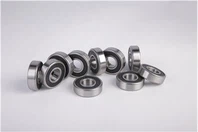
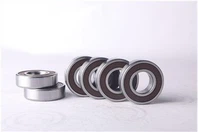
In the realm of medical applications, the importance of ensuring the hygiene of paper roller bearings cannot be overstated. As a dedicated paper roller bearing supplier, I understand the critical role these components play in maintaining the safety and efficiency of medical equipment. In this blog post, I will delve into the various aspects of ensuring the hygiene of paper roller bearings in medical settings, from material selection to maintenance practices.
Material Selection
The first step in ensuring the hygiene of paper roller bearings is to choose the right materials. In medical applications, materials must be resistant to corrosion, easy to clean, and non - reactive with medical substances. For paper roller bearings, stainless steel is often an excellent choice. Stainless steel offers high corrosion resistance, which is crucial in environments where the bearings may come into contact with moisture, disinfectants, or body fluids. It can withstand repeated cleaning and sterilization processes without losing its structural integrity.
Another important consideration is the coating of the bearings. Some bearings may be coated with a special material that provides additional protection against contamination. For example, a PTFE (Polytetrafluoroethylene) coating can reduce friction and prevent the adhesion of particles, making it easier to clean the bearings. Additionally, ceramic materials are also being increasingly used in medical bearings. Ceramics are inert, non - porous, and have excellent wear resistance, which makes them ideal for maintaining a high level of hygiene.
Design Considerations
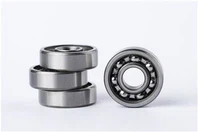
The design of paper roller bearings also plays a significant role in ensuring hygiene. A well - designed bearing should minimize the accumulation of dirt and debris. For instance, sealed bearings are a popular choice in medical applications. Sealed bearings prevent the entry of dust, moisture, and other contaminants, reducing the risk of contamination and extending the service life of the bearings.
The shape and surface finish of the bearings are also important. Smooth surfaces are less likely to trap particles compared to rough surfaces. Bearings with rounded edges and no sharp corners can prevent the accumulation of dirt in hard - to - reach areas. Moreover, the internal design of the bearing, such as the cage that holds the rollers, should be designed in a way that allows for easy cleaning. Some modern designs use open - cage structures that provide better access for cleaning agents to reach all parts of the bearing.
Manufacturing Processes
During the manufacturing process, strict quality control measures must be implemented to ensure the hygiene of paper roller bearings. Cleanroom manufacturing is often employed in the production of medical bearings. Cleanrooms are controlled environments with low levels of airborne particles, which helps to prevent contamination of the bearings during the manufacturing process.
The use of high - precision machining techniques is also crucial. Precision machining ensures that the bearings have the correct dimensions and surface finish, which is essential for their proper functioning and ease of cleaning. Additionally, after the machining process, the bearings must undergo thorough cleaning and inspection. Ultrasonic cleaning is a common method used to remove any remaining debris or contaminants from the bearings. This process uses high - frequency sound waves to create microscopic bubbles that implode on the surface of the bearings, dislodging dirt and particles.
Cleaning and Disinfection
Regular cleaning and disinfection are essential for maintaining the hygiene of paper roller bearings in medical applications. The cleaning process should be carried out using appropriate cleaning agents. Mild detergents or specialized medical - grade cleaning solutions are often recommended. These cleaning agents should be able to effectively remove dirt, grease, and other contaminants without damaging the bearings.

After cleaning, the bearings must be thoroughly rinsed to remove any residual cleaning agents. Drying is also an important step. Moisture left on the bearings can lead to corrosion and the growth of bacteria. Air - drying or using a clean, dry cloth to wipe the bearings is a common practice.
Disinfection is another critical step. Depending on the medical application, different disinfection methods may be used. For example, chemical disinfection using agents such as hydrogen peroxide or ethanol can be effective in killing bacteria and viruses. Heat - based disinfection methods, such as autoclaving, can also be used for bearings that can withstand high temperatures. However, it is important to ensure that the disinfection method does not damage the bearings.
Storage and Handling
Proper storage and handling of paper roller bearings are also vital for maintaining their hygiene. Bearings should be stored in a clean, dry environment. They should be protected from dust, moisture, and other contaminants. Using sealed containers or packaging can help to keep the bearings clean during storage.
When handling the bearings, clean gloves should be worn to prevent the transfer of dirt and oils from the hands to the bearings. Additionally, the handling area should be clean and free of debris. Any tools used to handle the bearings should also be clean and disinfected regularly.
Monitoring and Inspection
Regular monitoring and inspection of paper roller bearings are necessary to ensure their continued hygiene. Visual inspections can be carried out to check for signs of wear, damage, or contamination. For example, if there are any visible signs of rust, discoloration, or the presence of foreign particles, the bearings should be cleaned or replaced immediately.
In addition to visual inspections, more advanced techniques such as vibration analysis and lubricant analysis can be used to detect any potential problems with the bearings. Vibration analysis can help to identify abnormal vibrations that may indicate a problem with the bearing's operation, such as misalignment or wear. Lubricant analysis can provide information about the condition of the lubricant and the presence of contaminants in the bearing.
Importance of Hygiene in Medical Applications
In medical applications, the hygiene of paper roller bearings is directly related to patient safety. Contaminated bearings can introduce bacteria, viruses, or other pathogens into medical equipment, which can lead to infections and other health problems for patients. For example, in surgical instruments, the use of contaminated bearings can increase the risk of surgical site infections.
Moreover, proper hygiene also ensures the reliable operation of medical equipment. Clean and well - maintained bearings reduce the risk of mechanical failures, which can disrupt medical procedures and potentially endanger patient lives. In addition, maintaining high - level hygiene can also extend the service life of the bearings, reducing the need for frequent replacements and saving costs in the long run.
Conclusion
Ensuring the hygiene of paper roller bearings in medical applications is a multi - faceted process that involves material selection, design, manufacturing, cleaning, storage, handling, and monitoring. As a paper roller bearing supplier, I am committed to providing high - quality bearings that meet the strict hygiene requirements of the medical industry.
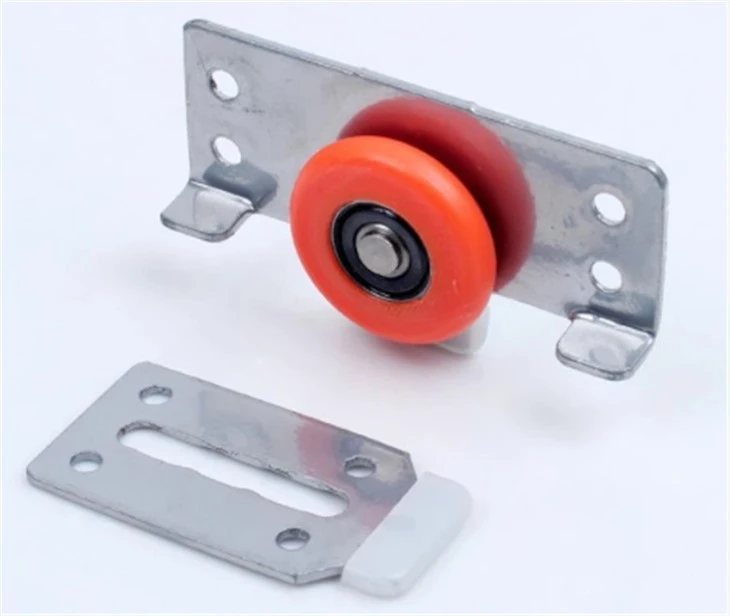
If you are in the medical field and are looking for reliable paper roller bearings, [Contact me for procurement and negotiation]. We can offer a wide range of bearings with different materials, designs, and specifications to meet your specific needs. Whether you need Door Bearing Wheels, Sliding Gate Roller Bearings, or U Type Groove Pulley, we have the expertise and resources to provide you with the best solutions.
References
- "Handbook of Bearings in Medical Devices and Surgical Instruments"
- "Medical Device Design and Development: Principles and Applications"
- "Advanced Materials for Medical Bearings"