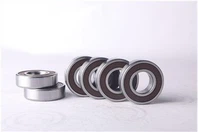
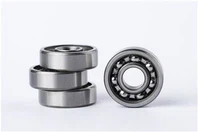
Hey there! As a supplier of Paper Roller Bearing, I've seen firsthand how crucial it is to ensure these bearings are installed correctly. A proper installation not only extends the bearing's lifespan but also guarantees the smooth operation of your equipment. In this blog, I'll walk you through the steps to check the installation of paper roller bearings.
Step 1: Visual Inspection
The first thing you wanna do is give the bearing a good visual once - over. Start by looking at the outer ring. Check for any visible signs of damage like cracks, dents, or scratches. These can be caused during shipping or improper handling before installation. If you spot any damage, it's likely the bearing won't function properly, and you might need to replace it.
Next, examine the inner ring. Make sure there are no rough spots or signs of corrosion. A corroded inner ring can cause the bearing to seize up, leading to equipment failure. Also, take a look at the rolling elements, which are usually the balls or rollers inside the bearing. They should be evenly spaced and free from any chips or pits.
Step 2: Check the Mounting Surface
The mounting surface where the bearing is installed plays a huge role in its performance. It should be clean, flat, and free from any debris. Even a tiny piece of dirt can cause uneven loading on the bearing, leading to premature wear.

Measure the mounting surface to ensure it has the correct dimensions. The diameter and width of the surface should match the specifications of the Paper Roller Bearing. If the surface is too small, the bearing might not fit properly, and if it's too large, the bearing can move around, causing instability.
Step 3: Verify the Alignment
Proper alignment is key for the long - term health of your bearing. Misalignment can cause excessive stress on the rolling elements and the raceways, leading to increased friction and wear.
There are a few ways to check alignment. One simple method is to use a straightedge. Place it across the bearing and the mating part. If there are gaps between the straightedge and the surfaces, it indicates misalignment. You can also use more advanced tools like laser alignment systems for a more accurate measurement.
If you find misalignment, don't try to force the bearing into place. Instead, adjust the mounting position or the mating part until the alignment is correct.
Step 4: Check the Clearance
The internal clearance of the bearing is another important factor. It refers to the amount of free movement between the rolling elements and the raceways. Too much clearance can cause the bearing to rattle and vibrate, while too little clearance can lead to overheating and premature failure.
You can use a feeler gauge to measure the clearance. Insert the gauge between the rolling elements and the raceways at different points around the bearing. Compare the measurement with the manufacturer's specifications. If the clearance is outside the recommended range, you may need to replace the bearing or adjust the installation.
Step 5: Lubrication Check
Lubrication is essential for reducing friction and wear in the bearing. Check the lubricant level and its condition. The lubricant should be clean and free from contaminants. If the lubricant is dirty or has a strange odor, it might be time to change it.
Also, make sure the lubricant is the right type for your Paper Roller Bearing. Different bearings require different types of lubricants, so refer to the manufacturer's guidelines.
Step 6: Rotational Test
Once you've completed all the above checks, it's time to do a rotational test. Slowly rotate the bearing by hand. It should turn smoothly without any jerks or resistance. If you feel any roughness or hear any unusual noises, it could indicate a problem with the installation or the bearing itself.
If the bearing doesn't rotate smoothly, go back and re - check all the previous steps. It could be due to misalignment, improper clearance, or a damaged rolling element.
Step 7: Run - in Period
After the initial rotational test, it's a good idea to give the bearing a run - in period. Start the equipment at a low speed and gradually increase it over time. This allows the bearing to adjust to its operating conditions and helps to seat the rolling elements properly.
During the run - in period, monitor the temperature and vibration of the bearing. If there are any sudden changes in temperature or excessive vibration, stop the equipment immediately and investigate the cause.
Related Products
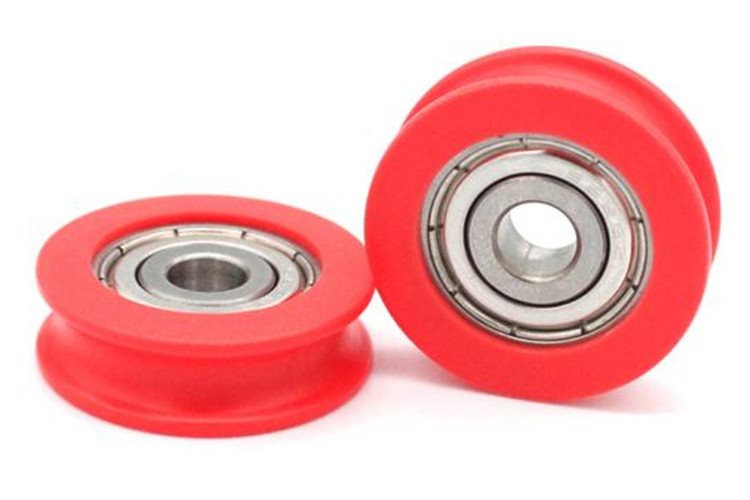
If you're in the market for other types of bearings, we also offer U Type Groove Pulley and Industrial Roller Bearings. These products are designed to meet the high - performance requirements of various industrial applications.
Why Choose Our Paper Roller Bearings
Our Paper Roller Bearings are made from high - quality materials and undergo strict quality control measures. We ensure that each bearing meets the highest standards of performance and reliability. Whether you're in the paper industry or any other sector that requires precision bearings, our products are a great choice.
Contact Us for Procurement
If you're interested in purchasing our Paper Roller Bearings or have any questions about the installation process, don't hesitate to get in touch. We're here to help you find the right bearing for your needs and ensure a smooth installation. Let's have a chat about your requirements and see how we can work together.
References
- Bearing Installation and Maintenance Handbook
- Manufacturer's Guides for Paper Roller Bearings