One Way Rollers are essential components in various mechanical systems, providing unidirectional motion control. As a supplier of One Way Rollers, I often get asked about their lifespan. In this blog post, I'll delve into the factors that influence the longevity of a One Way Roller and provide insights to help you maximize its service life.
Understanding One Way Rollers
Before we discuss how long a One Way Roller lasts, let's briefly understand what it is. A One Way Roller is a type of bearing that allows rotation in one direction while preventing it in the opposite direction. It consists of an outer race, an inner race, rollers, and a cage. The rollers are designed to engage and disengage depending on the direction of rotation, enabling smooth unidirectional operation.
Factors Affecting the Lifespan of One Way Rollers
The lifespan of a One Way Roller can vary significantly depending on several factors. Here are the key factors that influence its longevity:
1. Quality of Materials
The quality of materials used in the manufacturing of One Way Rollers plays a crucial role in determining their lifespan. High-quality materials, such as premium-grade steel, offer better resistance to wear, corrosion, and fatigue. At our company, we source the finest materials and use advanced manufacturing processes to ensure the durability and reliability of our One Way Rollers.
2. Operating Conditions
The operating conditions under which a One Way Roller is used have a significant impact on its lifespan. Factors such as temperature, humidity, vibration, and load can all affect the performance and durability of the roller. For example, operating in high-temperature environments can cause the lubricant to break down, leading to increased friction and wear. Similarly, excessive vibration or shock loads can damage the rollers and other components of the bearing.
3. Lubrication
Proper lubrication is essential for the smooth operation and longevity of One Way Rollers. Lubrication reduces friction, dissipates heat, and protects the surfaces of the rollers and races from wear and corrosion. The type and quality of lubricant used, as well as the frequency of lubrication, can all affect the performance and lifespan of the roller. It's important to follow the manufacturer's recommendations for lubrication to ensure optimal performance.
4. Installation and Maintenance
Correct installation and regular maintenance are crucial for maximizing the lifespan of One Way Rollers. Improper installation can cause misalignment, excessive stress, and premature wear. It's important to follow the manufacturer's installation instructions carefully and use the appropriate tools and techniques. Regular maintenance, such as cleaning, inspection, and lubrication, can help detect and prevent potential problems before they cause significant damage.
Typical Lifespan of One Way Rollers
The lifespan of a One Way Roller can vary widely depending on the factors mentioned above. In general, a well-designed and properly maintained One Way Roller can last anywhere from several thousand to tens of thousands of hours of operation. However, it's important to note that this is just a rough estimate, and the actual lifespan of a roller may be shorter or longer depending on the specific application and operating conditions.
For example, in a light-duty application with low loads and moderate operating conditions, a One Way Roller may last for 10,000 to 20,000 hours. In a heavy-duty application with high loads and harsh operating conditions, the lifespan of the roller may be significantly shorter, perhaps only a few thousand hours.
Extending the Lifespan of One Way Rollers
While the lifespan of a One Way Roller is influenced by many factors, there are several steps you can take to extend its service life:
1. Choose the Right Roller
Selecting the right One Way Roller for your application is crucial. Consider factors such as load capacity, speed, operating temperature, and environmental conditions when choosing a roller. Our team of experts can help you select the most suitable roller for your specific needs.
2. Optimize Operating Conditions
Try to optimize the operating conditions of the One Way Roller to reduce stress and wear. This may include controlling temperature, humidity, and vibration, as well as minimizing shock loads. For example, you can use vibration dampeners or shock absorbers to protect the roller from excessive vibration and shock.
3. Follow Proper Lubrication Practices
Ensure that the One Way Roller is properly lubricated at all times. Use the recommended type and amount of lubricant, and follow the manufacturer's lubrication schedule. Regularly check the lubricant level and quality, and replace it as needed.
4. Perform Regular Maintenance
Implement a regular maintenance schedule for the One Way Roller. This may include cleaning, inspection, and lubrication. Regularly check the roller for signs of wear, damage, or misalignment, and take appropriate action if any problems are detected.
5. Train Your Staff
Provide training to your staff on the proper installation, operation, and maintenance of One Way Rollers. Ensure that your staff understands the importance of following the manufacturer's instructions and best practices.
Case Study: 6205-ZZ One Way Roller
To illustrate the factors that affect the lifespan of One Way Rollers, let's take a look at a case study of the 6205-ZZ One Way Roller. This roller is commonly used in a variety of applications, including conveyor systems, automotive transmissions, and industrial machinery.
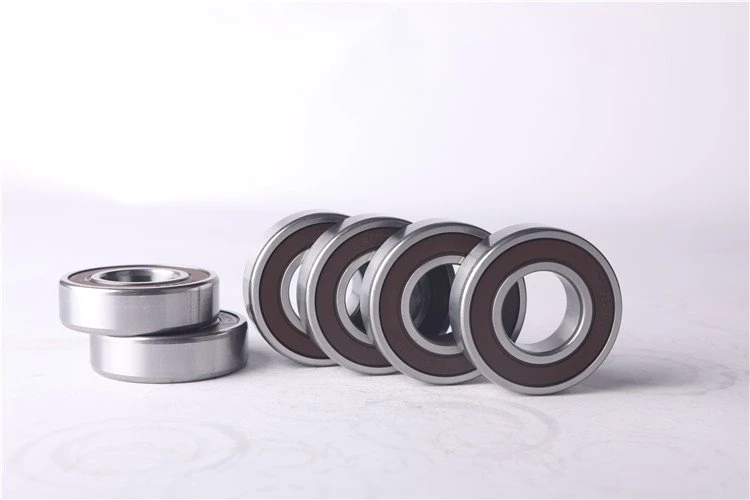

In a conveyor system application, the 6205-ZZ One Way Roller was subjected to moderate loads and operating temperatures. The roller was properly installed and lubricated, and regular maintenance was performed. After 15,000 hours of operation, the roller showed only minimal signs of wear, and it continued to perform reliably.
In another application, the same 6205-ZZ One Way Roller was used in a high-speed automotive transmission. The roller was exposed to high loads, high temperatures, and frequent start-stop cycles. Despite proper installation and lubrication, the roller experienced premature wear and failure after only 5,000 hours of operation. This case study highlights the importance of considering the operating conditions and application requirements when selecting a One Way Roller.
Conclusion
In conclusion, the lifespan of a One Way Roller depends on several factors, including the quality of materials, operating conditions, lubrication, installation, and maintenance. By choosing the right roller, optimizing operating conditions, following proper lubrication practices, performing regular maintenance, and training your staff, you can extend the service life of your One Way Rollers and ensure reliable performance.
If you have any questions about One Way Rollers or need help selecting the right roller for your application, please don't hesitate to contact us. Our team of experts is here to assist you with all your One Way Roller needs. We look forward to working with you to provide high-quality products and excellent customer service.
References
- "Bearing Handbook" by SKF
- "Mechanical Design Handbook" by Robert C. Juvinall and Kurt M. Marshek
- "Engineering Tribology" by Michael J. Neale