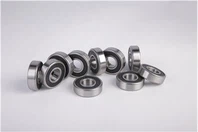
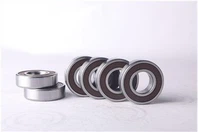
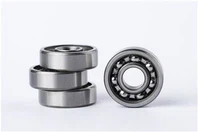
Hey there! I'm a supplier of U Type Groove Pulleys, and today I wanna chat about how the material's density affects the weight of these pulleys. It's a topic that might seem a bit technical at first, but it's super important when it comes to choosing the right pulley for different applications.
Let's start with the basics. Density is basically how much mass is packed into a certain volume. You can think of it like how many people are in a room. If there are a lot of people in a small room, it's really crowded, right? That's high density. If there are only a few people in a big room, it's not crowded at all, and that's low density.
When it comes to U Type Groove Pulleys, different materials have different densities. For example, steel is a common material for making these pulleys. Steel has a relatively high density. That means for a given size of U Type Groove Pulley made of steel, it's gonna be pretty heavy. On the other hand, if we use a material like aluminum, which has a lower density, the same size pulley will be lighter.
Why does the weight matter? Well, it can have a big impact on how the pulley performs. In some applications, like in a high - speed conveyor system, a lighter pulley might be better. A lighter pulley requires less energy to get it moving and to keep it spinning. This can lead to cost savings in the long run, as less energy means lower electricity bills.
Let's say you're running a factory with a bunch of conveyor belts. If you use heavy steel U Type Groove Pulleys, the motors that drive the belts have to work harder. Over time, this can cause more wear and tear on the motors, and you might have to replace them more often. But if you switch to lighter aluminum pulleys, the motors don't have to work as hard, and they'll last longer.
But it's not always about going for the lightest option. In some industrial settings, like in a heavy - duty machinery where you need to handle a lot of weight, a heavier pulley made of a high - density material like steel might be the way to go. The weight of the pulley can help with stability. A heavier pulley is less likely to vibrate or wobble when there's a lot of force being applied to it.
Now, let's talk about how we can calculate the weight of a U Type Groove Pulley based on the material's density. The formula for calculating the mass (which is related to weight) is Mass = Density × Volume. First, you need to figure out the volume of the pulley. The volume of a U Type Groove Pulley can be a bit tricky to calculate because of its shape, but there are standard formulas for it.
Once you know the volume, you multiply it by the density of the material. For example, if the density of steel is about 7850 kg/m³ and you've calculated the volume of your U Type Groove Pulley to be 0.001 m³, then the mass of the pulley is 7850 × 0.001 = 7.85 kg.
As a U Type Groove Pulley supplier, I've seen a wide range of applications for these pulleys. Sometimes, customers come to me asking for a pulley that can handle a specific load, and the density of the material is a key factor in determining the right pulley for them.
If you're in the market for garage door rollers, you might be interested in our 6200zz Garage Door Rollers. These rollers are designed to be durable and smooth - running, and we can offer different materials to suit your needs.

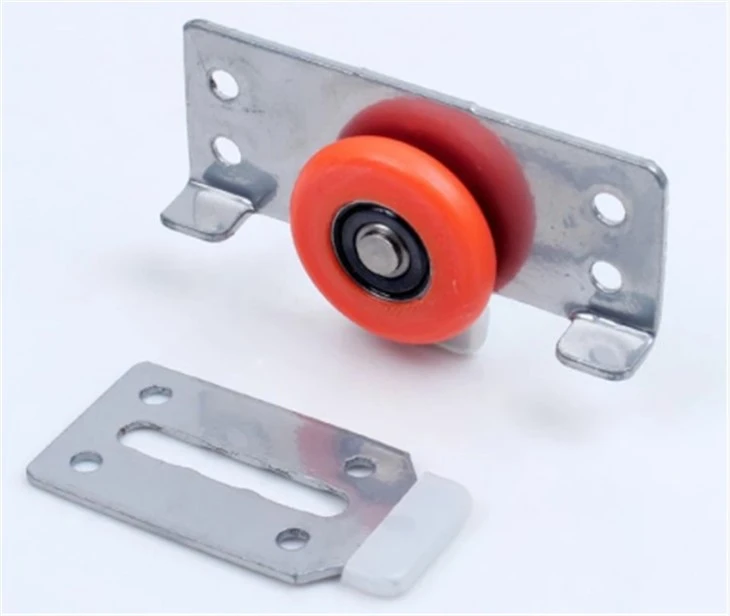
Our U Type Groove Pulley comes in a variety of materials, each with its own density and weight characteristics. Whether you need a light - weight pulley for a high - speed application or a heavy - duty one for a tough industrial job, we've got you covered.
And for those of you in the industrial sector, our Industrial Roller Bearings are top - notch. They're designed to work in harsh environments and can handle a lot of stress.
So, if you're looking for the right U Type Groove Pulley or any related products, don't hesitate to reach out. We can help you choose the best material based on your specific requirements. Whether it's about saving energy with a light - weight pulley or getting the stability of a heavy one, we've got the expertise to guide you.
In conclusion, the material's density has a significant impact on the weight of a U Type Groove Pulley, and understanding this relationship is crucial for making the right choice in different applications. So, if you have any questions or need to discuss your pulley needs, just drop us a line. We're here to make sure you get the best product for your money.
References:
- Physics textbooks on material properties and mechanics
- Industry standards and guidelines for pulley design and application