Selecting the right door bearings for a sliding patio door is a crucial decision that can significantly impact the functionality, durability, and overall performance of the door. As a trusted Door Bearings supplier, I understand the importance of making an informed choice. In this blog, I will share my expertise on how to select the most suitable door bearings for your sliding patio door.
Understanding the Basics of Door Bearings
Before diving into the selection process, it's essential to have a basic understanding of what door bearings are and how they work. Door bearings are mechanical components that facilitate smooth movement and reduce friction between the door and its track. They come in various types, each designed to meet specific requirements and applications.
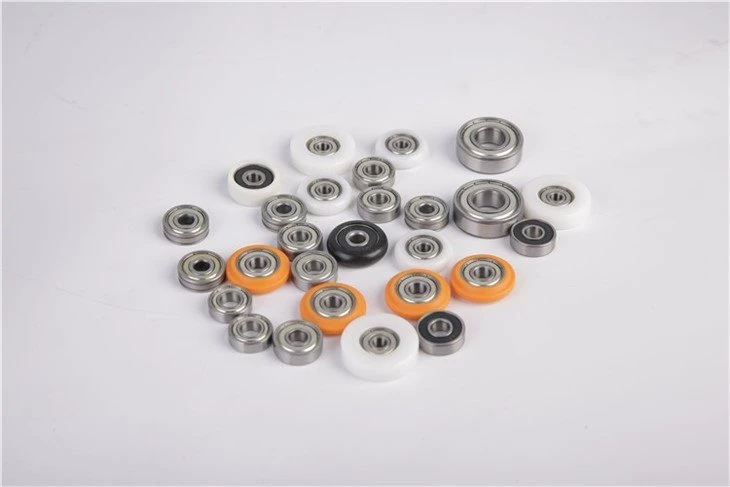
The most common types of door bearings used in sliding patio doors include ball bearings and roller bearings. Ball Bearing Wheels Home Appliance are known for their ability to handle high loads and provide smooth, quiet operation. They consist of small metal balls that roll between two races, reducing friction and allowing the door to slide easily. On the other hand, Roller Bearings for Drawers use cylindrical rollers instead of balls, which can handle heavier loads and are more suitable for larger doors.
Factors to Consider When Selecting Door Bearings
When selecting door bearings for a sliding patio door, several factors need to be taken into account. These factors will help you determine the most appropriate type, size, and material of bearings for your specific needs.
Load Capacity
One of the most critical factors to consider is the load capacity of the bearings. The load capacity refers to the maximum weight that the bearings can support without experiencing excessive wear or damage. To determine the load capacity required for your sliding patio door, you need to consider the weight of the door itself, as well as any additional loads such as hardware, glass, or insulation.
It's important to choose bearings with a load capacity that exceeds the actual weight of the door to ensure long-term durability and reliable performance. If the bearings are overloaded, they may wear out quickly, leading to noisy operation, uneven movement, and even door failure.
Size and Compatibility
The size and compatibility of the bearings are also crucial considerations. The bearings must be the correct size to fit the door and its track properly. If the bearings are too small, they may not provide sufficient support, while if they are too large, they may not fit or may cause the door to bind.
When selecting bearings, you need to measure the width and diameter of the existing bearings or the track to ensure a proper fit. You should also consider the type of door and its design, as some doors may require specific types of bearings or mounting configurations.
Material and Durability
The material of the bearings plays a significant role in their durability and performance. Bearings are typically made from various materials, including steel, stainless steel, plastic, and ceramic. Each material has its own advantages and disadvantages, so it's important to choose the one that best suits your needs.
Steel bearings are the most common type and are known for their strength and durability. They can handle high loads and are resistant to wear and corrosion. Stainless steel bearings are similar to steel bearings but offer better corrosion resistance, making them ideal for outdoor applications or areas with high humidity.
Plastic bearings are lightweight, quiet, and resistant to chemicals and moisture. They are often used in applications where noise reduction is important, such as in residential settings. Ceramic bearings are the most expensive type but offer excellent performance and durability. They are lightweight, resistant to wear and corrosion, and can operate at high speeds.
Noise and Vibration
Another important factor to consider is the noise and vibration generated by the bearings. A noisy or vibrating door can be a nuisance, especially in a residential setting. To minimize noise and vibration, you should choose bearings that are designed for quiet operation.
Ball bearings are generally quieter than roller bearings, as the balls roll smoothly between the races, reducing friction and noise. You can also look for bearings with special features such as rubber seals or lubrication to further reduce noise and vibration.
Maintenance and Lubrication
Proper maintenance and lubrication are essential for the long-term performance and durability of the bearings. Some bearings require regular lubrication to ensure smooth operation and prevent wear. Others are self-lubricating and do not require additional lubrication.
When selecting bearings, you should consider the maintenance requirements and choose ones that are easy to maintain. Self-lubricating bearings are a convenient option, as they require less maintenance and can save you time and money in the long run.
Choosing the Right Door Bearings for Your Sliding Patio Door
Now that you understand the factors to consider when selecting door bearings, it's time to choose the right ones for your sliding patio door. Here are some steps to help you make an informed decision:
Step 1: Determine Your Requirements
Start by determining your specific requirements, including the load capacity, size, material, noise level, and maintenance requirements. Consider the weight of the door, the type of track, and the environment in which the door will be used.
Step 2: Research and Compare Options
Once you have determined your requirements, research and compare different types of door bearings available on the market. Look for bearings that meet your specific needs and have a good reputation for quality and performance.
You can also read customer reviews and testimonials to get an idea of the experiences of other users. This can help you make a more informed decision and choose the best bearings for your sliding patio door.
Step 3: Consult with a Professional
If you are unsure about which bearings to choose or have any questions, it's a good idea to consult with a professional. A knowledgeable supplier or installer can provide you with expert advice and guidance based on your specific needs and requirements.
They can also help you measure the door and track, select the right bearings, and ensure proper installation. This can save you time and money in the long run and ensure that your sliding patio door operates smoothly and reliably.
Step 4: Purchase from a Reputable Supplier
Finally, make sure to purchase your door bearings from a reputable supplier. A reliable supplier will offer high-quality products, provide excellent customer service, and stand behind their products with a warranty.
Look for a supplier that has a wide selection of bearings, offers competitive prices, and has a good reputation in the industry. You can also ask for recommendations from friends, family, or colleagues who have purchased door bearings in the past.

Conclusion
Selecting the right door bearings for a sliding patio door is a critical decision that can have a significant impact on the functionality, durability, and overall performance of the door. By considering factors such as load capacity, size and compatibility, material and durability, noise and vibration, and maintenance and lubrication, you can choose the most suitable bearings for your specific needs.
As a Door Bearings supplier, I am committed to providing high-quality products and excellent customer service. If you have any questions or need assistance in selecting the right door bearings for your sliding patio door, please don't hesitate to contact me. I will be happy to help you make an informed decision and ensure that your door operates smoothly and reliably for years to come.
References
- "Bearing Selection Guide." SKF.
- "Choosing the Right Bearings for Your Application." NTN Bearing Corporation of America.
- "Sliding Door Bearings: A Comprehensive Guide." Door Hardware Resource.