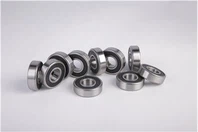
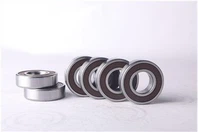
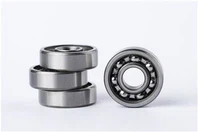
Do track bearing rollers require lubrication? That's a question I get asked a lot as a supplier of Track Bearing Roller. And the answer, like many things in the world of engineering, isn't always straightforward.
Let's start with the basics. Track bearing rollers are used in a wide range of applications, from heavy - duty industrial machinery to automotive systems. They're designed to support and guide loads along a track, and they need to do this smoothly and efficiently. Lubrication plays a crucial role in achieving this.
One of the main reasons lubrication is important is to reduce friction. When a track bearing roller rotates, there's contact between the rolling elements (like balls or rollers) and the raceways. Without proper lubrication, this contact can generate a lot of friction. Friction not only wastes energy but also creates heat. Excessive heat can cause the bearing materials to expand, change their properties, and ultimately lead to premature wear and failure.
Think about it like this. If you've ever tried to push a heavy box across a rough floor, you know it's a lot harder than pushing it on a well - oiled surface. The same principle applies to track bearing rollers. A good lubricant acts as a sort of "smooth - road" for the rolling elements, allowing them to move with minimal resistance.
Another key benefit of lubrication is protection against wear. The constant movement and loading in a track bearing roller can cause the surfaces to wear down over time. Lubricants form a thin film between the moving parts, which acts as a barrier. This film helps to prevent direct metal - to - metal contact, reducing the rate of wear and extending the life of the bearing.
Corrosion is also a concern, especially in harsh environments. Moisture, chemicals, and other contaminants can cause the bearing components to rust and corrode. A proper lubricant can provide a protective layer that shields the bearing from these harmful elements. For example, in marine applications where track bearing rollers are exposed to saltwater, a high - quality lubricant with anti - corrosion properties is essential.
But here's the thing, not all applications require the same level of lubrication. Some light - duty applications where the loads are low and the operating conditions are relatively clean might not need frequent lubrication. In these cases, a bearing with a pre - lubricated seal might be sufficient for the entire service life of the roller.
On the other hand, heavy - duty applications with high loads, high speeds, or dirty environments definitely need regular lubrication. For instance, in a mining operation where track bearing rollers are used in large equipment like conveyor systems, they're constantly exposed to dust, dirt, and heavy loads. These bearings need to be lubricated at regular intervals to ensure optimal performance.
So, how do you determine if your track bearing rollers need lubrication? Well, it depends on a few factors. First, consider the application. If it's a high - stress environment, chances are you'll need to lubricate the bearings. Second, look at the manufacturer's recommendations. Most bearing manufacturers provide guidelines on lubrication frequency and the type of lubricant to use.
There are different types of lubricants available for track bearing rollers, such as grease and oil. Grease is a popular choice because it's easy to apply and stays in place better. It's suitable for applications where the speed is relatively low and the bearing doesn't need a continuous supply of lubricant. Oil, on the other hand, is better for high - speed applications as it can provide better cooling and more consistent lubrication.
When it comes to lubrication, there are also some best practices to follow. Over - lubrication can be just as bad as under - lubrication. Too much grease or oil can cause the bearing to overheat, as the excess lubricant creates additional drag. It can also attract dirt and contaminants, leading to increased wear.


So, you need to apply the right amount of lubricant at the right time. And make sure to use a high - quality lubricant that's compatible with the bearing materials and the operating conditions.
As a supplier of Track Bearing Roller, I've seen firsthand the difference that proper lubrication can make. I've had customers come to me with bearings that have failed prematurely, only to find out that the lack of lubrication was the root cause. And I've also had customers who followed the lubrication guidelines and got years of trouble - free operation from their bearings.
If you're in the market for track bearing rollers or you're having issues with the lubrication of your existing bearings, don't hesitate to reach out. We have a team of experts who can help you choose the right bearings for your application and provide advice on lubrication. Whether you're dealing with a small - scale project or a large - scale industrial operation, we're here to support you.
In conclusion, while not all track bearing rollers require lubrication, in most cases, especially in demanding applications, lubrication is essential for optimal performance and longevity. It's a small investment that can save you a lot of money in the long run by preventing costly breakdowns and replacements. So, take the time to understand the lubrication needs of your track bearing rollers and make sure you're doing it right.
If you're interested in learning more about our Track Bearing Roller products or need help with lubrication advice, feel free to contact us. We're always happy to assist with your bearing requirements and get you on the path to smooth - running machinery.
References
- "Bearing Handbook" by SKF
- "Mechanical Engineering Design" by Joseph E. Shigley and Charles R. Mischke