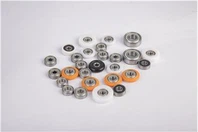
Hey there! As a supplier of Bearing 6311, I often get asked whether this bearing can be used in high - pressure environments. So, I thought I'd sit down and write this blog to share my insights on the matter.
First off, let's understand what Bearing 6311 is. Bearing 6311 is a type of deep - groove ball bearing. These bearings are pretty common in the industry. They're known for their simplicity in design and high versatility. They can handle both radial and axial loads to a certain extent, and they're used in a wide range of applications, from electric motors to industrial machinery.
Now, when it comes to high - pressure environments, things get a bit tricky. High - pressure environments can mean different things. It could be high hydraulic pressure in a hydraulic system, high mechanical pressure due to heavy loads in a manufacturing machine, or high pressure caused by extreme operating conditions like high - speed rotation and heavy vibrations.
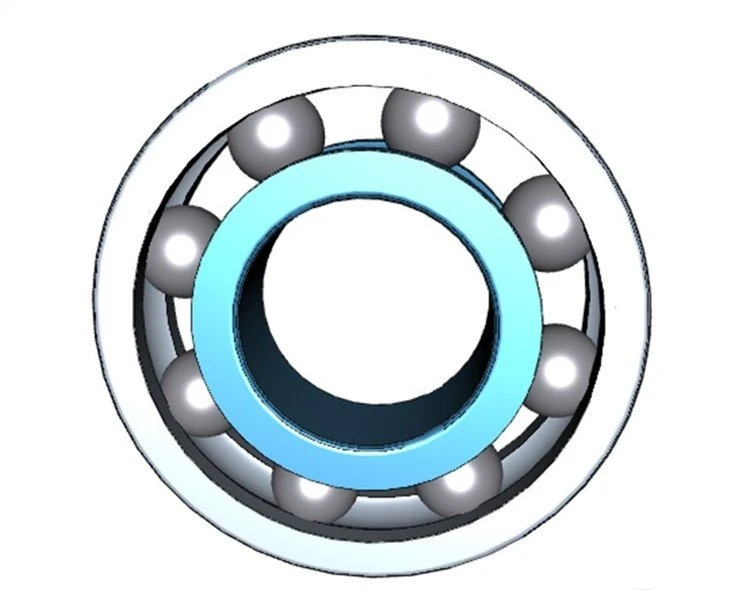
Let's start by looking at the construction of Bearing 6311. It has a set of steel balls that roll between an inner and an outer race. The steel used in these bearings is usually high - quality chrome steel, which is known for its good hardness and wear resistance. This gives the bearing a certain level of strength to withstand pressure.
In normal operating conditions, Bearing 6311 can handle a decent amount of load. But in high - pressure environments, several factors come into play. One of the main factors is the lubrication. In high - pressure situations, the lubricant has to work harder to keep the steel balls and races from rubbing against each other too much. If the lubricant breaks down under high pressure, it can lead to increased friction, heat generation, and ultimately, premature wear of the bearing.
Another factor is the design of the bearing itself. The internal clearances in Bearing 6311 are designed for a certain range of operating conditions. In high - pressure environments, these clearances can change. For example, if the pressure is too high, it can cause the races to deform slightly, which in turn can affect the movement of the steel balls. This can lead to uneven wear and a decrease in the bearing's performance.
However, that doesn't mean Bearing 6311 can't be used in high - pressure environments at all. With the right modifications and precautions, it can be made to work. For instance, using a high - performance lubricant that's specifically designed for high - pressure applications can make a big difference. These lubricants have better viscosity - temperature characteristics and can withstand higher pressures without breaking down.
Also, we can adjust the internal clearances of the bearing during the manufacturing process. By increasing the clearances slightly, the bearing can better accommodate the deformation that might occur under high pressure. This helps to maintain the smooth movement of the steel balls and reduces the risk of premature failure.
In some cases, we can also use a cage material that's more resistant to high pressure. The cage holds the steel balls in place and guides their movement. A stronger cage material can prevent the balls from shifting out of position under high pressure.
Let's take a look at some real - world examples. In some hydraulic pumps, high pressure is generated to move fluids. Bearing 6311 can be used in these pumps if the right measures are taken. By using a high - pressure lubricant and ensuring proper alignment and installation, the bearing can operate effectively for a long time.
On the other hand, in a high - speed and high - load manufacturing machine, the pressure on the bearings can be extremely high. In such cases, we might need to go for more specialized bearings. But if the machine's operating conditions can allow for some adjustments, Bearing 6311 can still be a viable option.
Now, you might be wondering how you can tell if Bearing 6311 is suitable for your high - pressure application. The first step is to assess the specific pressure requirements of your environment. You need to know the peak pressure, the average pressure, and how long the bearing will be exposed to these pressures.
Next, you should consult with an expert. As a supplier, I'm always here to help my customers. I can analyze your application and recommend the best solutions. We can also conduct some tests on samples to see how the bearing performs under your specific conditions.
If you're interested in using Bearing 6311 for your high - pressure application, I'd be more than happy to have a chat with you. We can discuss your requirements in detail and figure out the best way to make it work. Whether it's about modifying the bearing, choosing the right lubricant, or any other aspect, I've got the knowledge and experience to assist you.

In conclusion, while Bearing 6311 has its limitations in high - pressure environments, with the right approach, it can still be a practical choice. It all comes down to understanding the specific requirements of your application and taking the necessary steps to ensure the bearing's optimal performance.
So, if you're in the market for Bearing 6311 for a high - pressure project, don't hesitate to reach out. Let's have a conversation and see how we can make your project a success.
References:
- Industry standards for deep - groove ball bearings
- Technical manuals on high - performance lubricants
- Case studies on bearing applications in high - pressure environments